Keeping your Jeep’s tire pressure monitoring system (TPMS) in top shape is essential for safety and performance.
When you notice the TPMS warning light on your dashboard, it means one or more tires could be under-inflated, over-inflated, or the sensors need a reset.
Many Jeep owners feel confused when this light stays on, even after checking their tires. Learning how to reset your Jeep’s TPMS is a practical skill that saves time and worry.

This guide will walk you through the process, show you what to expect, and answer common questions.
Understanding Jeep Tpms
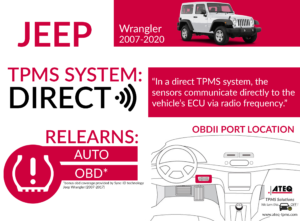
The tire pressure monitoring system uses sensors inside each tire to track air pressure. If the pressure drops below a safe level (usually below 25% of the recommended PSI), the TPMS sends a warning. Most newer Jeep models, including the Wrangler, Cherokee, and Grand Cherokee, use direct TPMS. This means sensors are mounted on the wheel, sending real-time data.
TPMS helps prevent accidents caused by low tire pressure, improves fuel efficiency, and extends tire life. According to the National Highway Traffic Safety Administration (NHTSA), properly inflated tires can reduce crash risk by up to 11% and improve gas mileage by 3%–4%.
When Should You Reset Tpms?
You might need to reset your Jeep’s TPMS after:
- Installing new tires or sensors
- Rotating tires
- Adjusting tire pressure
- Replacing a dead sensor battery
- The warning light stays on even after tires are inflated
Ignoring the TPMS light can lead to uneven tire wear, poor handling, and lower fuel efficiency.
Step-by-step: How To Reset Jeep Tpms
Resetting your Jeep TPMS isn’t difficult. Most models follow similar steps, but always check your owner’s manual for details. Here’s how to do it:
1. Check Tire Pressure
- Use a digital tire gauge for accuracy.
- Inflate all tires (including the spare, if it has a sensor) to the recommended PSI. You’ll find this number on the driver’s door sticker.
2. Drive To Recalibrate
- After adjusting pressure, drive your Jeep at 15–30 mph for at least 10 minutes. This helps the system recognize correct pressure.
- The TPMS light should turn off automatically.
3. Manual Reset (if Needed)
If the light stays on, try a manual reset:
- Turn the ignition ON (don’t start the engine).
- Locate the TPMS reset button (usually under the steering column).
- Press and hold the button until the TPMS light blinks three times, then release.
- Start the vehicle and drive for 10–20 minutes.
4. Disconnect Battery (advanced)
If the TPMS light remains, disconnecting the battery can force a reset:
- Turn off the engine.
- Open the hood and remove the negative battery cable.
- Wait for 15 minutes, then reconnect.
- Start your Jeep and check the TPMS light.
5. Professional Scan Tool
Some Jeep models require a TPMS reset tool. These devices reprogram sensors and help diagnose faults.
Most tire shops and dealerships have these tools.
Tpms Sensor Types & Compatibility
Understanding your Jeep’s TPMS sensor type is important for troubleshooting and replacement. There are two main types:
| Sensor Type | How It Works | Common Models |
|---|---|---|
| Direct TPMS | Sensors inside wheels send pressure data | Wrangler, Grand Cherokee, Renegade |
| Indirect TPMS | Uses ABS wheel speed sensors | Older Jeep models |
Always match the sensor type when replacing or upgrading tires.
Common Tpms Issues & Solutions
Jeep owners often run into these TPMS problems:
- Faulty Sensors: Sensors last 5–7 years. If the TPMS light is always on, a sensor may have failed.
- Dead Sensor Battery: Sensor batteries aren’t replaceable. You need a new sensor.
- Incorrect PSI: Even a small difference can trigger the light.
- Sensor Relearning Delay: Sometimes the system takes longer to detect changes.
If you’re unsure, a mechanic can check the system with a scan tool.
Comparing Tpms Reset Methods
Different reset methods suit different situations. Here’s how they compare:
| Method | Difficulty | Best For | Success Rate |
|---|---|---|---|
| Drive to Recalibrate | Easy | Normal adjustments | 80% |
| Manual Reset Button | Moderate | Persistent warning light | 60% |
| Battery Disconnect | Advanced | System errors | 40% |
| Professional Scan Tool | Expert | Sensor replacement | 95% |
Most Jeep owners find success with the drive to recalibrate method, but persistent issues may need expert help.
Practical Tips For Jeep Tpms Maintenance
- Check tire pressure monthly, especially before long trips.
- Replace sensors every 5–7 years or when batteries die.
- Use OEM sensors for best compatibility.
- Don’t ignore the TPMS warning light; it signals a real issue.
Jeep TPMS is sensitive to temperature changes. Cold weather can lower tire pressure and trigger the light, even if tires are fine.
Example: Resetting Tpms On Jeep Wrangler
Let’s look at a quick scenario. You own a Jeep Wrangler, and after rotating your tires, the TPMS light appears.
- Check all tires for correct PSI (usually 35 PSI).
- Drive at 20 mph for 10 minutes.
- If the light stays on, press the reset button under the steering column.
- Light goes off—TPMS reset is complete.
If not, visit a tire shop for sensor diagnostics.

Tpms Myths
Many believe you can ignore the TPMS light if the tires look fine. This is risky.
Even a small drop in pressure can harm tire life and safety. Another myth is that all TPMS sensors are the same.
Always choose the right sensor for your Jeep model.
Frequently Asked Questions
What Does The Tpms Warning Light Mean?
The TPMS warning light signals that one or more tires are outside the recommended pressure range. It’s important to check and adjust your tire pressure as soon as possible.
Can I Drive With The Tpms Light On?
Driving with the TPMS light on is not safe. Low tire pressure can cause tire blowouts and reduce handling. Always check your tires before driving.
Do I Need A Scan Tool To Reset Tpms?
Most Jeeps can reset TPMS without a scan tool, especially with the drive to recalibrate method. However, after replacing sensors, a scan tool might be needed.
How Long Does A Tpms Sensor Last?
A TPMS sensor usually lasts 5–7 years. If the sensor battery dies, you’ll need to replace the sensor, as batteries are not replaceable.
Where Can I Find Jeep Tpms Sensor Compatibility?
For a full list of compatible sensors, check your owner’s manual or visit Jeep’s official website.
Resetting your Jeep’s tire pressure monitoring system is a straightforward task if you follow the right steps. Regular maintenance and quick response to warning lights help keep you safe on the road.
If the TPMS light persists or you’re unsure about sensor health, don’t hesitate to seek help from a trusted mechanic or dealership.
Keeping your TPMS working properly protects your tires, improves fuel economy, and ensures peace of mind every time you drive.