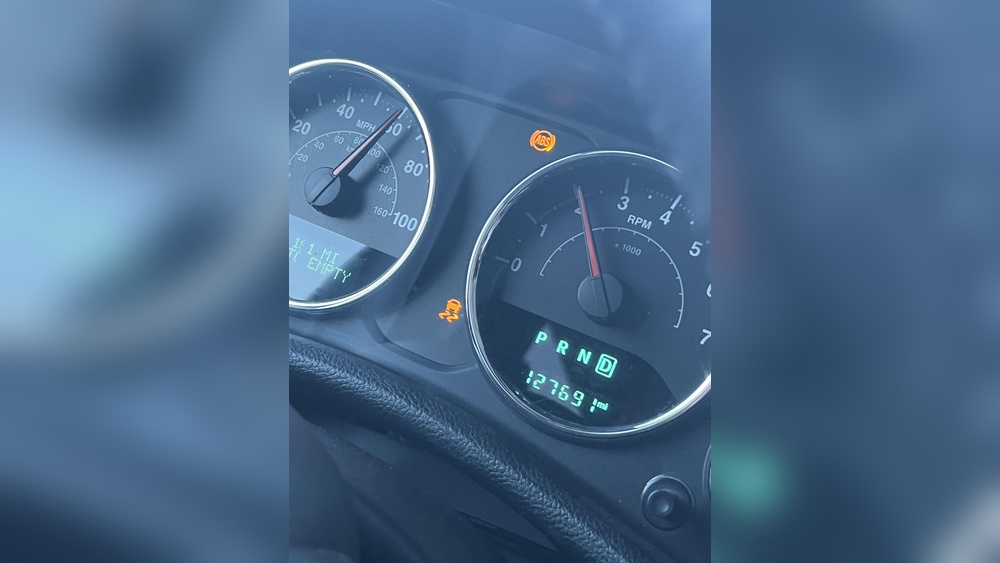
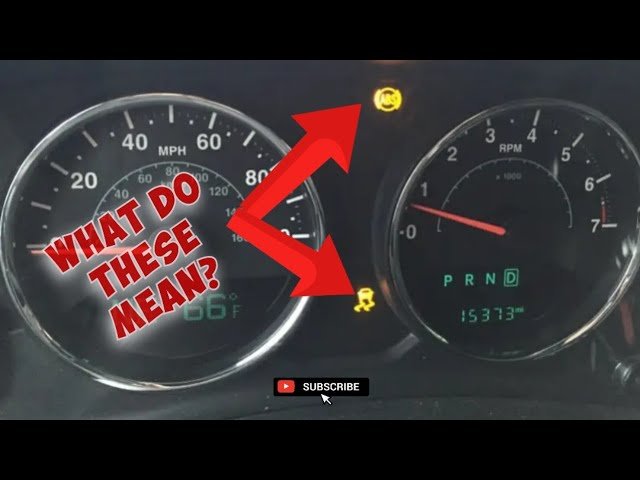
If you’ve noticed the ABS light glowing on your Jeep Wrangler’s dashboard, you’re probably wondering what it means and how to turn it off. The ABS (Anti-lock Braking System) light isn’t just a warning, it’s your Jeep’s way of telling you something needs attention.
Ignoring it could affect your braking performance and safety. But don’t worry resetting the ABS light is something you can handle.
You’ll learn exactly how to diagnose the problem, fix common issues, and reset the ABS light so your Jeep Wrangler runs smoothly again.
Keep reading, and you’ll be back on the road with confidence in no time.
Causes Of Abs Light On Jeep Wrangler
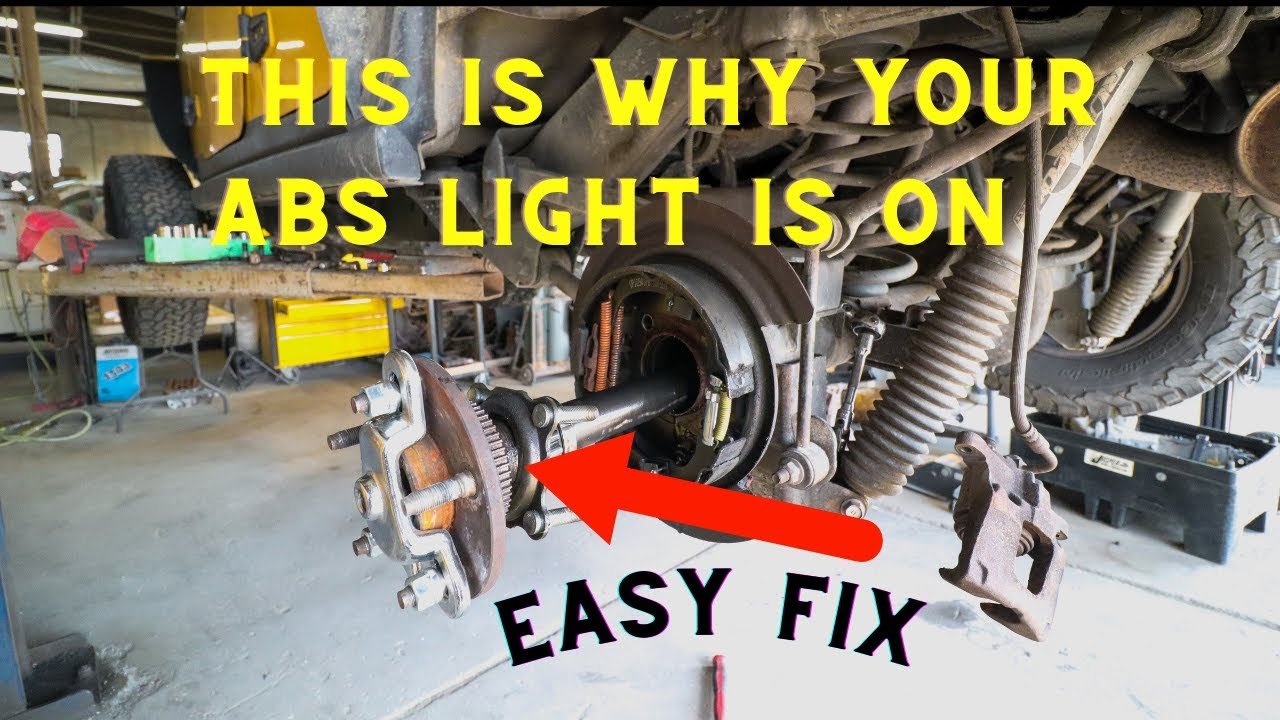
The ABS light on a Jeep Wrangler signals an issue with the anti-lock braking system. Diagnosing the problem involves checking key components.
A clear diagnosis helps fix the root cause and reset the ABS light correctly.
Start by scanning for error codes. Next, inspect sensors and wiring.
Finally, check the steering angle sensor for faults. Each step narrows down the possible causes.
Using An Obd-ii Scanner
Connect an OBD-II scanner to the Jeep’s diagnostic port. This tool reads stored error codes linked to the ABS system.
Codes point to specific sensors or circuits causing the warning light.
Use the scanner to identify faulty wheel speed sensors or wiring issues. Note the codes for further inspection.
This step saves time and guides precise repairs.
Inspecting Wheel Speed Sensor And Wiring
Wheel speed sensors monitor the rotation of each wheel. Dirt, damage, or corrosion can cause sensor failure.
Visually check each sensor for debris and physical damage.
Trace the wiring from the sensor to the ABS module. Look for cuts, frays, or worn insulation.
Repair or replace damaged wires to restore proper signals.
Checking Steering Angle Sensor
The steering angle sensor measures the wheel position. Misalignment or sensor faults can trigger the ABS light.
Verify the sensor’s calibration, especially after suspension changes.
Use the scanner to check steering angle sensor readings. Recalibrate or replace the sensor if it shows errors. Proper sensor function helps maintain ABS performance.
Diagnosing Abs Light Problems
Knowing when to seek professional help for your Jeep Wrangler’s ABS light is important. Some problems require expert tools and knowledge beyond simple resets.
Understanding the signs can save you time and keep you safe on the road.
Complex Electrical Issues
ABS systems rely on complex electrical signals. Faults in wiring or the ABS module can cause the light to stay on.
These issues need advanced diagnostic tools to find and fix. Professionals have the right equipment and experience to handle these problems safely.
Persistent Abs Light After Repairs
Sometimes, the ABS light stays on even after you fix the suspected problem. This may mean the issue runs deeper or that a new fault appeared.
A professional mechanic can perform a thorough check to identify hidden problems. They ensure the ABS system works correctly before you drive again.
Safety Considerations
The ABS light signals potential braking system problems. Ignoring it can reduce your Jeep’s braking efficiency and increase crash risk.
If you feel any brake issues or notice the light stays on, avoid driving far. Let a professional inspect the system to protect your safety and others on the road.
Conclusion
Fixing the ABS light on your Jeep Wrangler starts with finding the problem. Check sensors and wiring carefully for damage.
Replace or repair faulty parts before resetting the light. Use an OBD-II scanner to clear error codes once the repair is done.
Keep the steering wheel properly aligned to avoid false warnings. Regular checks help keep your ABS system working well.
Stay safe by addressing ABS issues promptly and correctly.