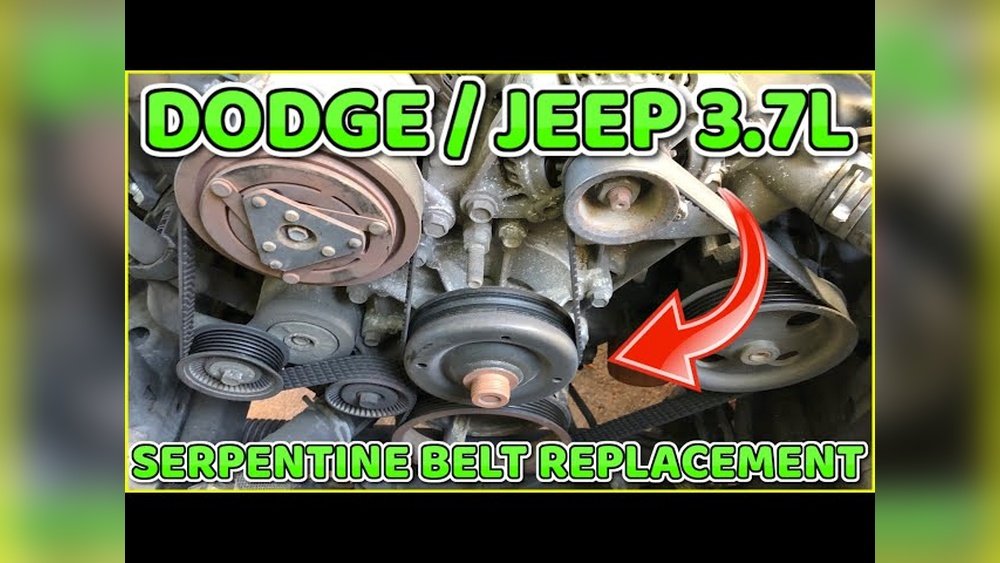
If your Jeep Grand Cherokee air conditioning isn't cooling, the problem might be a failing AC compressor. This part is the heart of your AC system.
It pumps refrigerant and keeps the air cool. Replacing it can seem difficult, but with the right steps, tools, and tips, you can do it yourself and save money.
This guide explains how to replace the AC compressor, highlights common mistakes, and shares expert advice for a safe and successful job.
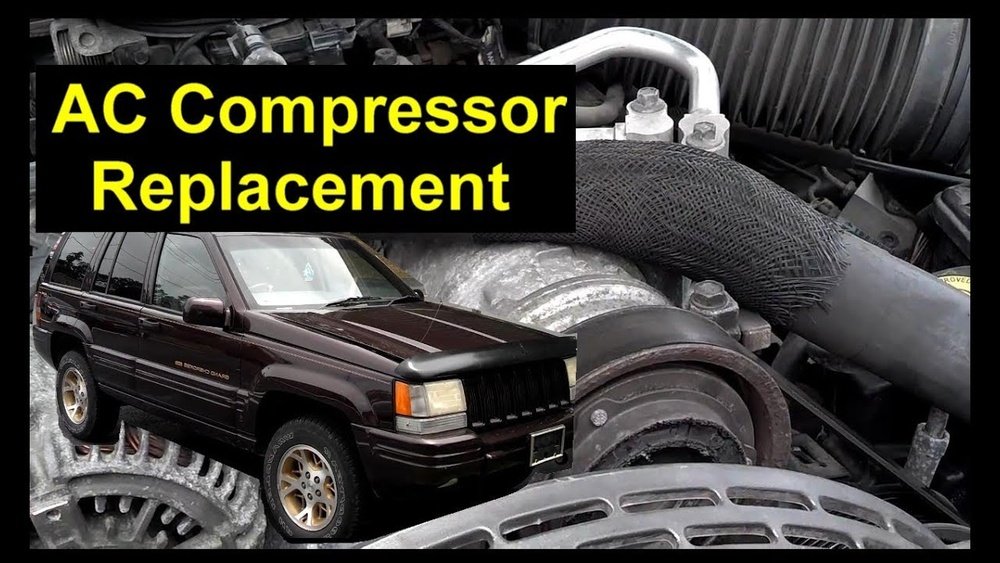
Signs Your Ac Compressor Needs Replacement
Before replacing, check for clear symptoms. Common signs include:
- Loud noises from the AC system
- Warm air blowing instead of cold
- Compressor clutch not engaging
- Leaking refrigerant under the vehicle
If your Jeep shows these signs, it’s likely time to replace the compressor.
Tools And Parts You Need
Get all necessary tools and parts before starting. This prevents delays and mistakes.
- New AC compressor (compatible with your Jeep Grand Cherokee model)
- AC compressor oil
- AC manifold gauge set
- Wrench set (metric and standard)
- Ratchet and sockets
- Screwdrivers
- Belt tensioner tool
- Safety glasses and gloves
- O-ring kit (for AC lines)
- Vacuum pump
- Refrigerant (R134a for most Jeep Grand Cherokees)
- Shop towels
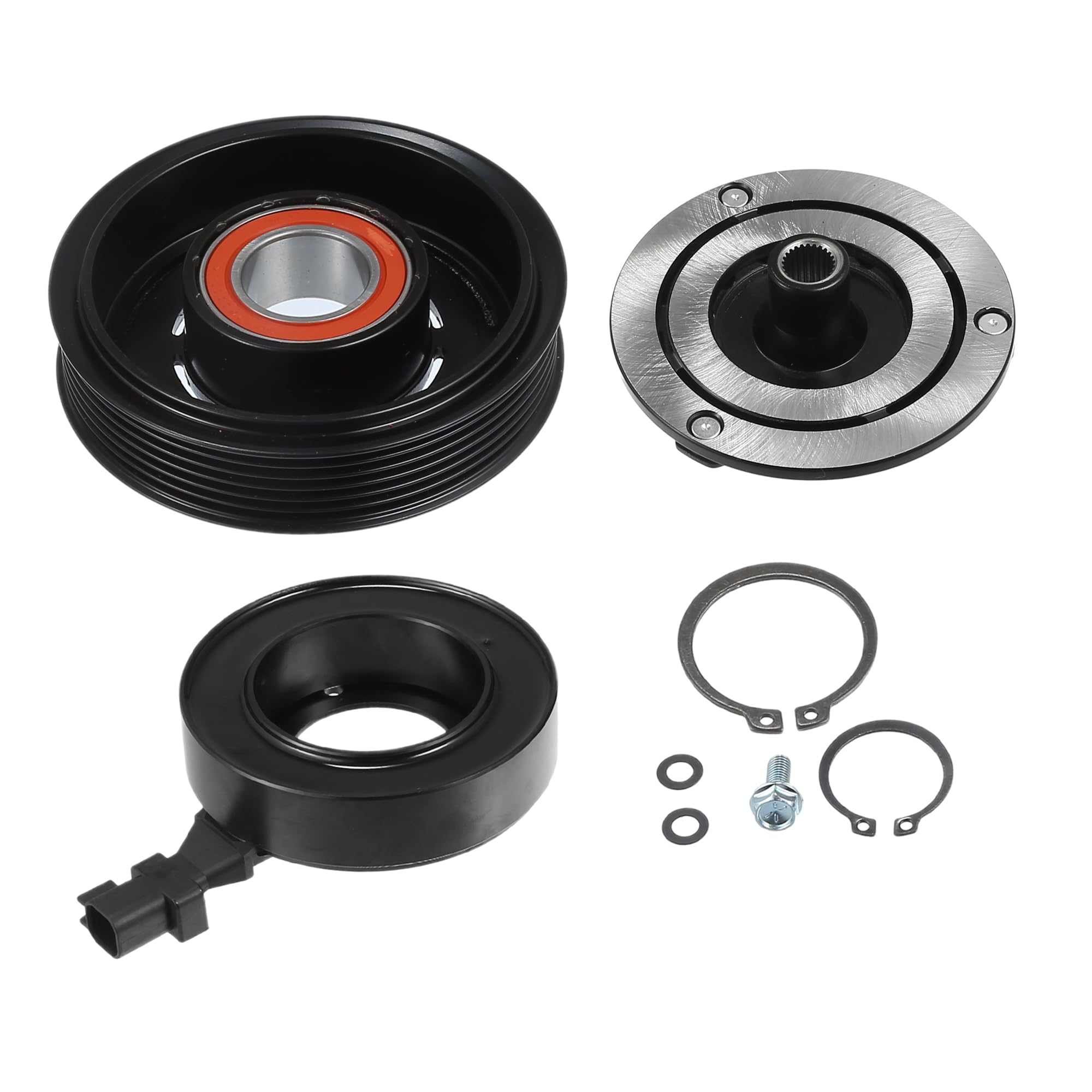
Step-by-step: Replacing The Ac Compressor
Follow these steps carefully. Each step is important for safety and performance.
1. Prepare The Vehicle
- Park your Jeep on a flat surface.
- Disconnect the negative battery cable to prevent shocks.
- Put on safety glasses and gloves.
2. Recover Refrigerant
- Use an AC manifold gauge set to connect to the low and high-pressure ports.
- Attach a recovery machine to safely remove refrigerant. Never release refrigerant into the air—it’s illegal and harmful.
3. Remove The Serpentine Belt
- Locate the belt tensioner and use the tool to relieve tension.
- Slide the belt off the AC compressor pulley. Remember the belt routing for reinstallation.
4. Disconnect Electrical Connections
- Find the compressor’s electrical connector.
- Gently unplug it, avoiding wire damage.
5. Remove Ac Lines
- Use wrenches to loosen and remove the refrigerant lines connected to the compressor.
- Plug the lines with shop towels to keep dirt out.
6. Remove The Old Compressor
- Unscrew the mounting bolts.
- Lift the compressor out carefully.
7. Install The New Compressor
- Pour AC compressor oil into the new unit as recommended by the manufacturer.
- Place the compressor in position and tighten the bolts evenly.
- Reconnect the AC lines, using new O-rings for a proper seal.
- Plug in the electrical connector.
8. Reinstall The Serpentine Belt
- Route the belt over pulleys as before.
- Use the tensioner tool to secure the belt.
9. Evacuate And Recharge The System
- Connect a vacuum pump to remove air and moisture from the AC system (about 30 minutes).
- Recharge with the correct amount of R134a refrigerant using your AC gauge set.
- Check for leaks and proper operation.
10. Test The Ac
- Reconnect the battery.
- Start the engine and turn on the AC.
- Ensure cold air blows and the compressor clutch engages.
Jeep Grand Cherokee Ac Compressor Comparison
Choosing the right compressor matters. Here’s a comparison of common options:
| Compressor Type | Price Range (USD) | Warranty | Compatibility |
|---|---|---|---|
| OEM | $350–$550 | 1–2 years | Perfect fit |
| Aftermarket | $180–$350 | 6–12 months | May need adjustments |
| Remanufactured | $120–$250 | 6 months | Varies |
OEM compressors are best for reliability. Aftermarket options offer savings but sometimes require extra fittings.

Common Mistakes And Expert Tips
Many beginners miss these details:
- Skipping O-ring replacement: Always use new O-rings for AC lines. Old O-rings can cause leaks.
- Not adding compressor oil: AC compressors need oil for lubrication. Always check the manufacturer’s amount.
- Overfilling refrigerant: Too much refrigerant reduces cooling and can damage the system.
- Improper belt routing: Double-check the belt diagram before starting the engine.
Expert tip: After installation, run the AC for 10 minutes with the engine idle. This helps distribute oil and checks for leaks.
Estimated Cost And Time
Replacing an AC compressor yourself can save you hundreds of dollars. Here’s a quick breakdown:
| DIY Cost | Shop Cost | Time Needed |
|---|---|---|
| $250–$600 | $700–$1,200 | 2–4 hours |
Most Jeep owners finish the job in an afternoon. Shops charge extra for labor and parts.

Safety And Environmental Advice
AC systems use refrigerant that can harm the environment. Always recover refrigerant with proper equipment.
Never vent it outdoors. Wear gloves and safety glasses at all times.
If you’re unsure about handling refrigerant, let a certified shop do this part.
For more about refrigerant handling and safety, see this EPA resource.
Frequently Asked Questions
How Long Does An Ac Compressor Last In A Jeep Grand Cherokee?
A typical AC compressor lasts 8–10 years. Frequent use and harsh climates can shorten its life.
Can I Replace The Ac Compressor Without Special Tools?
You need some special tools like an AC gauge set and vacuum pump. Without these, you risk leaks and poor cooling.
What If The New Compressor Doesn’t Cool?
Check for refrigerant leaks and proper electrical connections. Also, verify the right amount of oil and refrigerant.
Is It Safe To Drive With A Bad Ac Compressor?
Yes, but it can affect other engine systems and lead to belt damage. Fixing it soon prevents bigger issues.
Do I Need To Replace The Receiver/dryer Too?
If your AC compressor failed due to contamination, replace the receiver/dryer. It helps keep the system clean and dry.
Replacing your Jeep Grand Cherokee AC compressor is a practical project that saves money and boosts comfort. With careful steps and the right tools, most owners can handle the job. Take your time, follow safety rules, and enjoy a cool ride again.