If you love customizing your Jeep Wrangler, removing the fenders is a common first step. Whether you want to install aftermarket fenders, fix damage, or just clean up mud and debris, taking them off is easier than many people think.
This guide explains how to remove Jeep Wrangler fenders safely, with clear instructions and practical tips. Even if you are not a car expert, you can follow these steps and avoid common mistakes.
Why Remove Jeep Wrangler Fenders?
Jeep Wrangler owners often remove their fenders for several reasons:
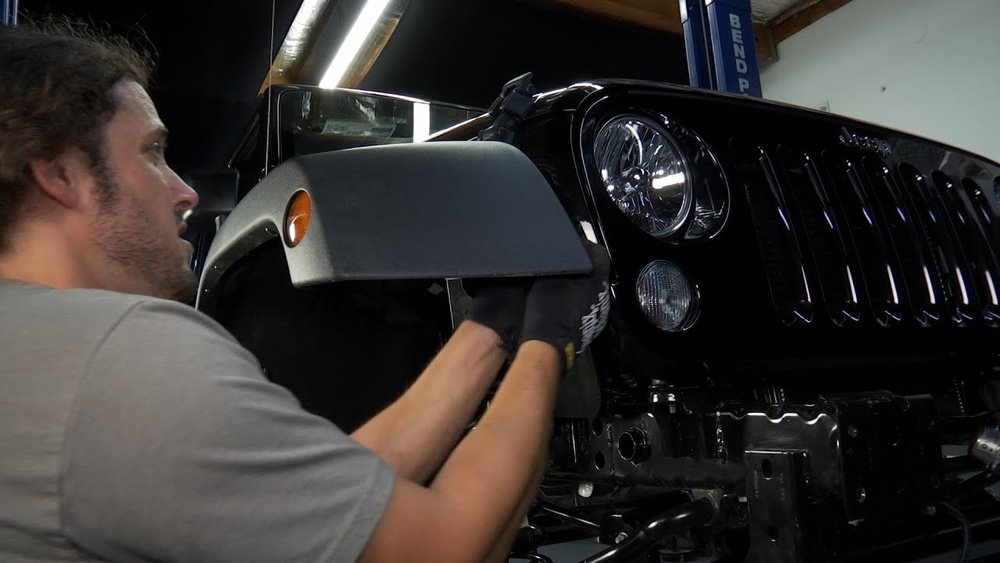
- To install new, larger, or more stylish fenders
- To gain better access for cleaning or repairs
- To reduce weight for off-roading
- To fix rust or damage
Removing fenders can also help you spot hidden issues, like rust or broken clips, before they become bigger problems. Some owners report up to 10 pounds of weight reduction per fender, which can make a difference off-road.
Tools You’ll Need
Before starting, gather these tools:
- Socket wrench (preferably with an extension)
- Torx bit set
- Trim removal tool or flathead screwdriver
- Needle nose pliers
- Work gloves
- Safety glasses
Having the right tools avoids frustration and prevents damage. Many Jeep Wranglers use Torx bolts, so a standard socket set may not fit.
| Tool | Purpose |
|---|---|
| Socket wrench | Remove bolts |
| Torx bit set | Fit Jeep-specific fasteners |
| Trim tool | Release plastic clips |
| Pliers | Pull stubborn clips |
| Gloves & glasses | Safety protection |
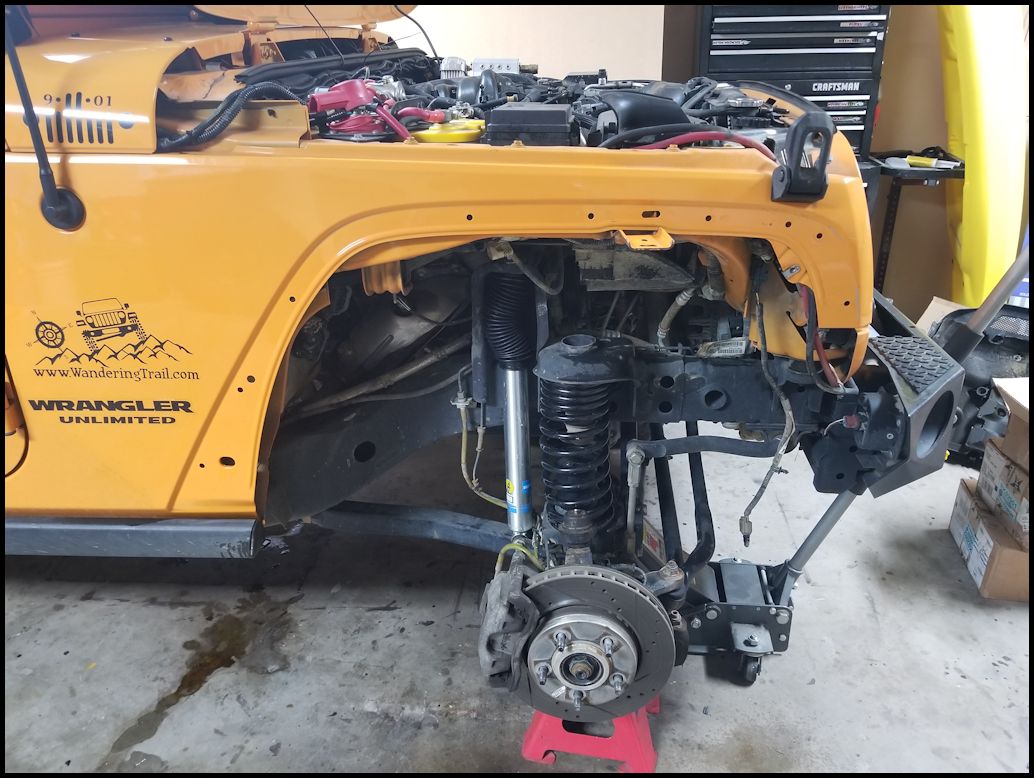
Step-by-step Guide To Fender Removal
Follow these steps for most Jeep Wrangler models (JK, JL, TJ):
1. Prepare Your Jeep
Park on a flat surface and turn off the engine. Make sure you have enough space to move around. Wearing gloves and safety glasses is important because you may encounter sharp edges.
2. Locate Fasteners And Clips
Jeep fenders are attached by a mix of bolts and plastic clips. The main bolts are usually found inside the wheel well and under the hood. Plastic clips often run along the fender edge.
Check your owner’s manual or look up your Wrangler’s model year to see exact locations. For example, JL models have more clips than older TJs.
3. Remove Bolts
Use a Torx bit or socket wrench to remove all visible bolts. Start from under the hood, then move inside the wheel well. Some bolts may be covered with mud or dirt, so clean them first.
Tip: Keep bolts in a safe place, like a container. Losing them is a common mistake.
4. Release Plastic Clips
Plastic clips can be tricky. Use a trim removal tool or flathead screwdriver to gently pry them out. If a clip is stuck, use needle nose pliers. Be careful—broken clips are hard to replace.
| Clip Type | Removal Tool | Difficulty |
|---|---|---|
| Push-in | Trim tool | Easy |
| Riveted | Pliers | Medium |
| Hidden | Screwdriver | Hard |
5. Gently Pull Off Fender
Once all bolts and clips are removed, gently pull the fender away from the body. Start from one end and work across.
If it feels stuck, double-check for missed fasteners.
Do not force the fender; you could bend the metal or crack the plastic. If you hear a popping sound, it’s usually just a clip releasing.
6. Disconnect Marker Lights (if Equipped)
Some Jeep Wranglers have marker lights attached to the fenders. Unplug the wiring harness before fully removing the fender. This prevents damage and makes reinstallation easier.
7. Clean And Inspect
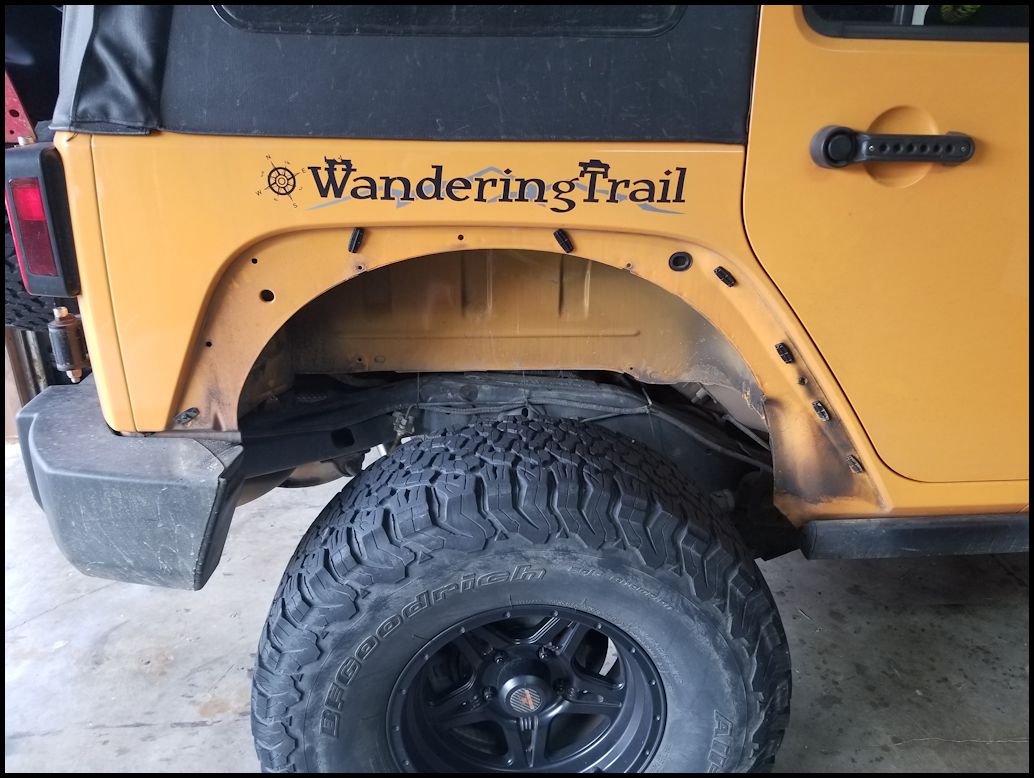
With the fender off, clean the area and check for rust or damage. Many owners find hidden rust spots once the fender is removed.
If you plan to install new fenders, compare mounting holes. Aftermarket fenders can have different fitment.
Common Mistakes And How To Avoid Them
- Breaking clips: Go slow and use the right tool. Jeep clips are fragile.
- Losing bolts: Use a container to keep all fasteners together.
- Forcing stuck fenders: Always double-check for missed fasteners.
- Damaging paint: Wear gloves and avoid metal tools near painted surfaces.
- Ignoring marker lights: Disconnect wiring before full removal.
Most beginners forget about the hidden clips under the fender lip. Missing these can lead to broken plastic or scratched paint.

After Removing The Fenders
Once the fenders are off, you can:
- Wash the wheel wells thoroughly
- Fix rust or paint chips
- Install new fenders or flares
- Check suspension components
Some owners drive without fenders for a unique look, but this is not legal in many states. Always check local laws.
| Aftermarket Fenders | OEM Fenders |
|---|---|
| Custom design | Factory fit |
| Lighter weight | Heavier |
| More wheel clearance | Standard clearance |
Practical Tips For Success
- Spray WD-40 on bolts if they are rusty or stuck.
- Take photos during each step for easier reinstallation.
- Ask a friend to help if you’re removing all four fenders.
- Use new clips when reinstalling—old ones often break.
An often-missed insight: Jeep’s factory clips are designed to break easily to protect the body. Replacing clips is normal and expected.
For official instructions and diagrams, you can check the Jeep Official Site.
Frequently Asked Questions
How Long Does It Take To Remove Jeep Wrangler Fenders?
Most owners can remove one fender in 20–40 minutes. If it’s your first time or you have rusty fasteners, it may take longer.
Do I Need To Remove The Wheels To Access The Fenders?
No, you can usually remove fenders with the wheels on. Turning the steering wheel helps make space.
Will Removing Fenders Void My Warranty?
Removing fenders does not void the warranty unless you damage other parts or wiring. Always check your warranty details.
What Should I Do If I Break A Plastic Clip?
Buy replacement clips online or at auto stores. They are cheap and easy to install. Never reuse broken clips.
Can I Drive My Jeep Without Fenders?
Legally, most states require fenders for safety and to cover tires. Driving without them can lead to fines.
Removing Jeep Wrangler fenders is a straightforward project for most owners. With the right tools, patience, and awareness of common mistakes, you can customize your Jeep safely and confidently.
This skill is useful for repairs, upgrades, or just keeping your Jeep in top shape.