Removing the wiper blades from your Jeep may sound simple, but there are small details that can make the process much smoother or much more frustrating.
Whether you’re doing routine maintenance or replacing worn blades before a road trip, knowing the proper way saves you time and prevents damage to your windshield or wiper arms.
This guide will walk you through each step, offer practical tips, and highlight what beginners often miss.
Why Remove Jeep Wiper Blades?
Wiper blades are not just for rain. They clear dust, dirt, and snow, helping you see clearly in all weather. Over time, the rubber wears out, leading to streaks and poor visibility. Most experts recommend changing wiper blades every 6-12 months, but off-road driving or extreme climates can wear them out faster.
If your Jeep’s wipers leave streaks, make noise, or miss spots, it’s time for a replacement. Removing the old blades is the first step.
Tools And Preparation
You don’t need special tools for most Jeep models. However, having a small flathead screwdriver can help with tough clips. Always check your Jeep’s manual for any special instructions, as some models have unique locking systems.
Before you start:
- Turn off the ignition and ensure the wipers are not running.
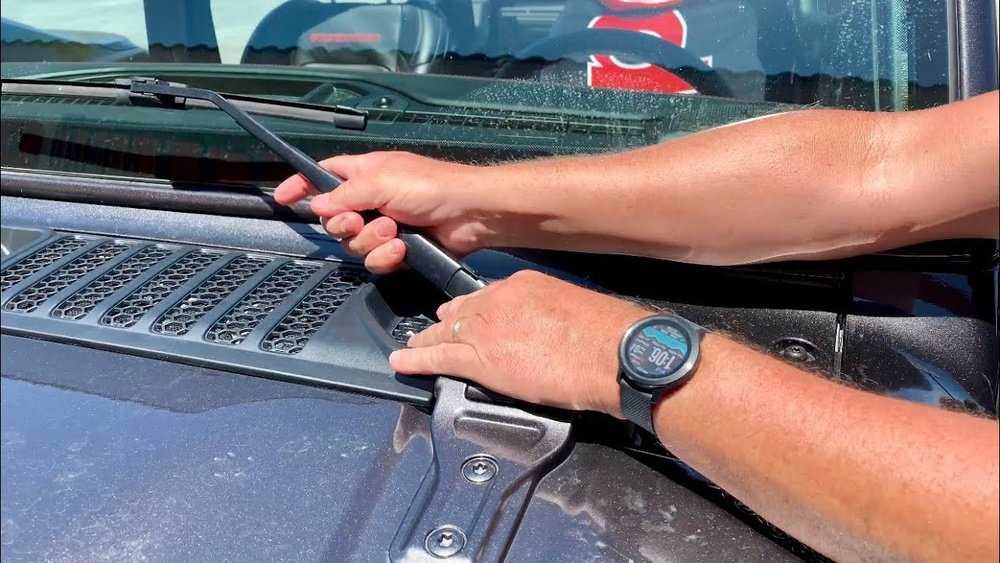
- Lift the wiper arms gently away from the windshield until they lock in an upright position.
- Place a towel on the glass to protect it in case the arm snaps back.
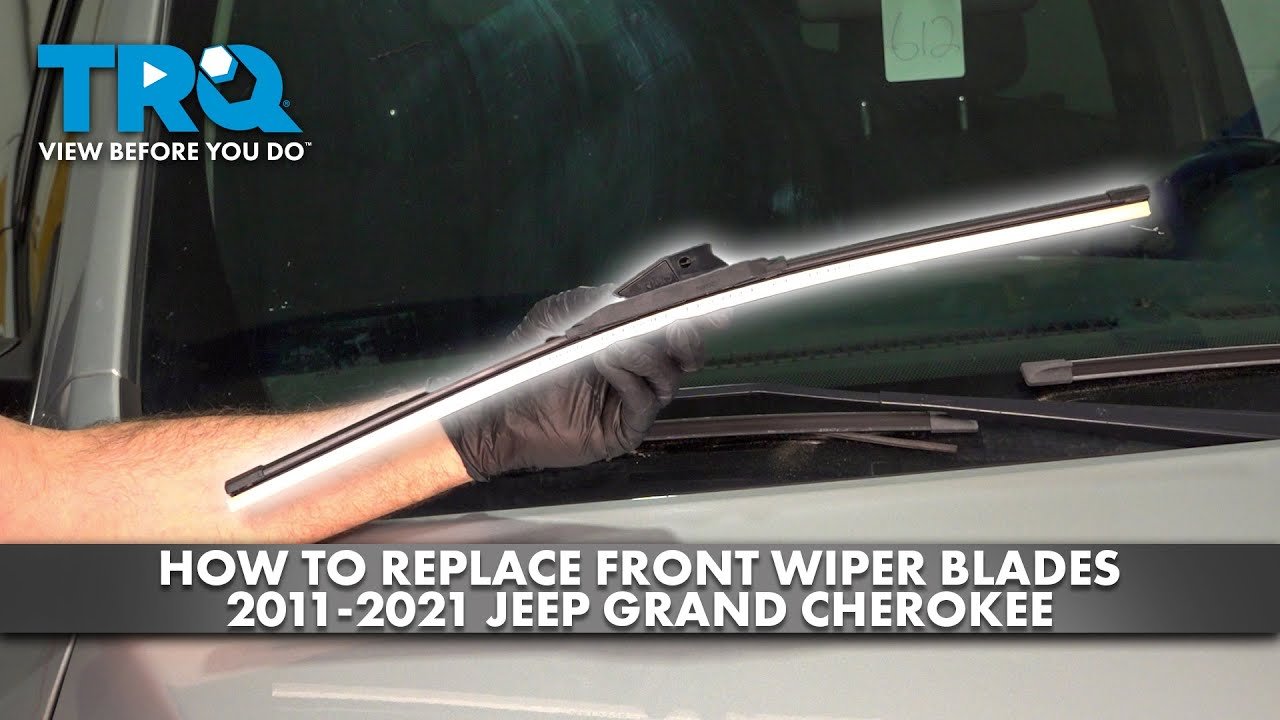
Step-by-step Guide: Removing Jeep Wiper Blades
1. Identify The Attachment Style
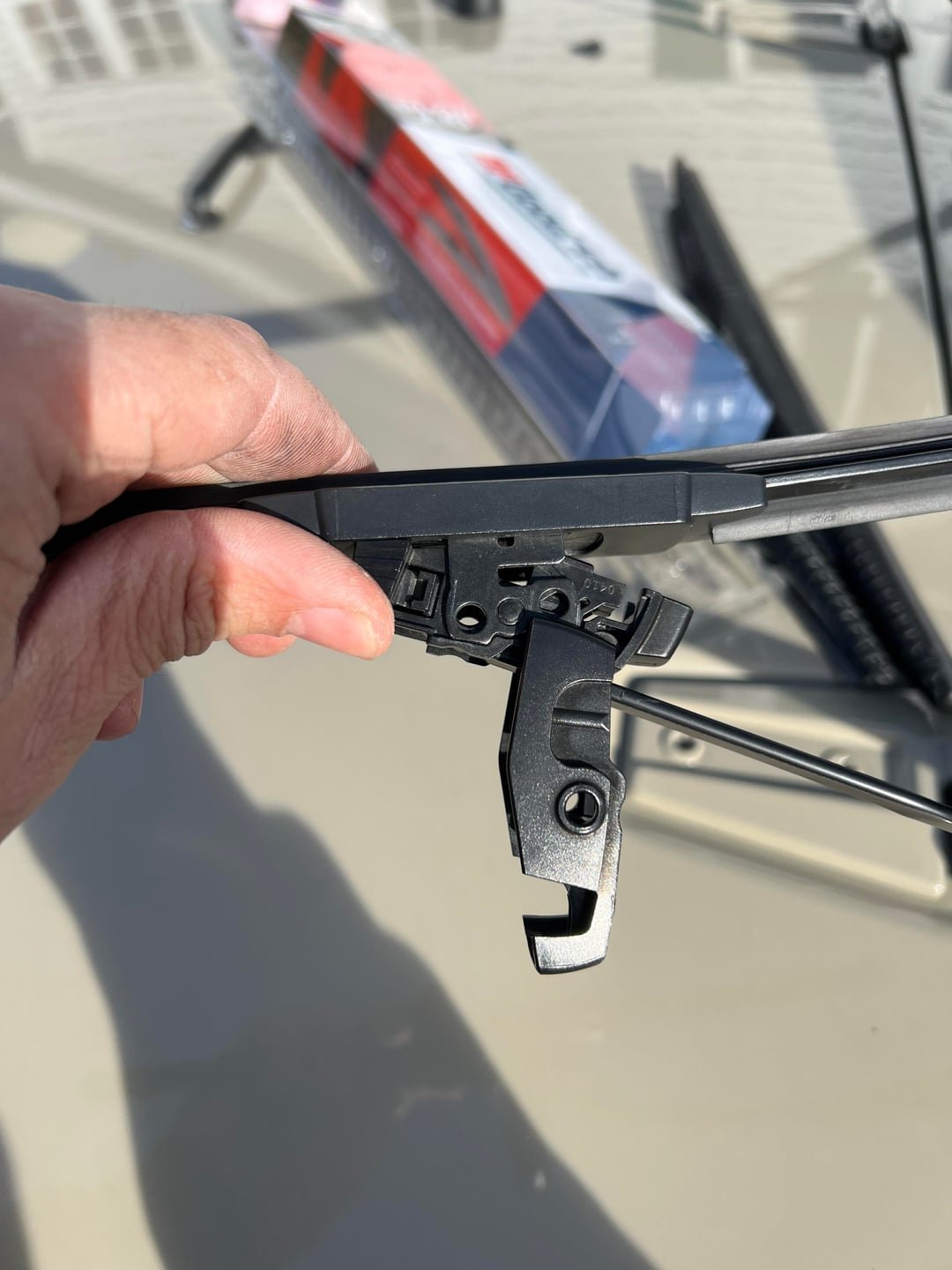
Most Jeep wiper blades use a J-hook, pin, or side-lock connector. The J-hook is the most common, but it’s always good to check.
| Attachment Type | How to Identify | Common Jeep Models |
|---|---|---|
| J-Hook | Hook-shaped arm end | Wrangler, Cherokee, Grand Cherokee |
| Pin | Small metal pin locks blade | Older Cherokee, Liberty |
| Side-Lock | Button or latch on side | Some newer Grand Cherokee |
- Release the Blade
- For J-hook: Find the small tab under the wiper blade where it meets the arm. Press or pull the tab and slide the blade downward, away from the hook.
- For pin: Use a flathead screwdriver to gently lift the locking clip, then slide the blade off the pin.
- For side-lock: Press the side button or tab and slide the blade off.
- Remove the Blade
Carefully slide the blade off the arm. Do not force it.
If it feels stuck, double-check for hidden tabs or clips.
4. Protect The Windshield
Once the blade is off, gently lower the wiper arm or rest it on the towel. The metal arm can crack your windshield if it snaps back.
Key Differences: Jeep Models And Wiper Blade Types
Not all Jeep models use the same wiper blade lengths or attachment systems. Here’s a quick comparison:
| Jeep Model | Front Blade Length | Rear Blade Length | Attachment Type |
|---|---|---|---|
| Wrangler JL (2018+) | 16″ | 12″ | J-Hook |
| Cherokee (2014+) | 26″&18″ | 13″ | Side-Lock |
| Grand Cherokee (2011+) | 22″&21″ | 13″ | Pin |
Always match the blade size and connector type before buying replacements.
Practical Tips Most People Miss
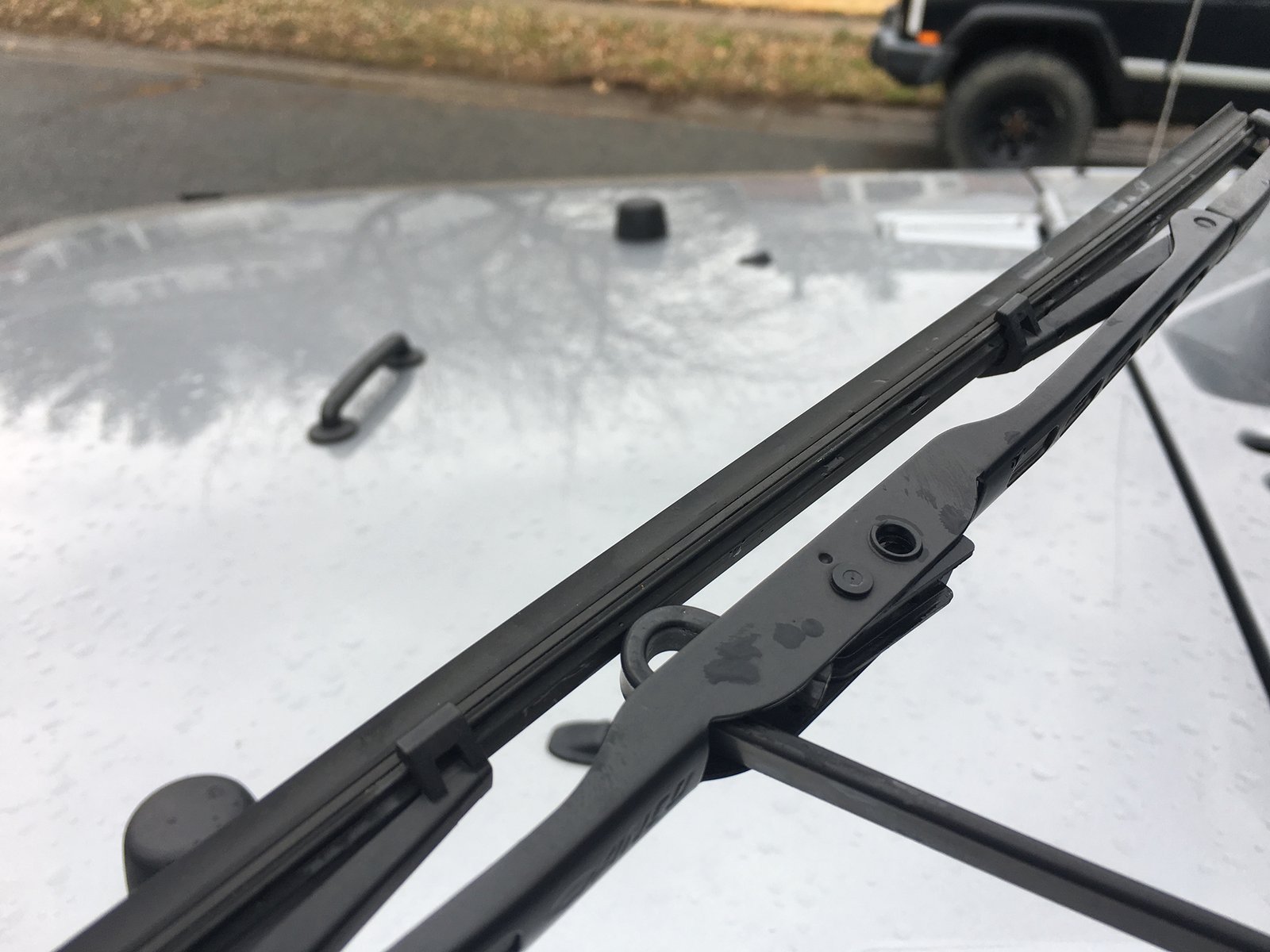
- Don’t let the wiper arm snap back. Even a light tap can chip or crack your windshield.
- If the blade won’t slide off, wiggle it gently—never force it. Some clips are tight because of dirt or corrosion.
- Take a photo before removal. It helps you remember the original setup.
- When shopping, bring the old blade for comparison. Some stores even let you test-fit.
- If you live in a snowy area, consider all-weather blades. They last longer and resist freezing.
Common Problems And How To Avoid Them
- Broken clips: Forcing the blade can snap the plastic clip. Double-check the release tab before pulling.
- Wrong blade size: Always measure or check your manual. An incorrect size won’t clear the windshield properly.
- Lost spring tension: If the wiper arm feels loose after removal, check for bent or damaged parts before installing new blades.
A surprising fact: Many Jeep owners forget to clean the wiper arm before installing new blades. Dirt and debris can scratch the glass or reduce blade lifespan.
How Often Should You Replace Jeep Wiper Blades?
Most drivers replace wiper blades every 6 12 months, but the real answer depends on use and climate. If you drive off-road or in harsh conditions, check them every few months.
Signs you need new blades:
- Streaks or skipping on the windshield
- Squeaking or chattering sounds
- Cracks or splits in the rubber
According to the Society of Automotive Engineers, up to 90% of drivers wait too long to replace worn blades, risking safety during rain or snow.
When To Seek Professional Help
If your Jeep’s wiper arm or motor seems damaged, or if the blade won’t come off after several attempts, it’s best to consult a mechanic. Some models have complex wiper assemblies that can break if handled incorrectly.
Professional help is also wise if you notice uneven movement or noise after installation.
For further reading about proper wiper blade maintenance, check out this Consumer Reports guide.
Frequently Asked Questions
How Do I Know If My Jeep Has J-hook Or Pin-type Wipers?
Check the connection where the blade meets the arm. A J-hook looks like a curved hook, while a pin type uses a straight metal pin and a locking clip.
Can I Replace Wiper Blades Without Any Tools?
Yes, most Jeep wiper blades can be removed by hand. However, a small screwdriver can help with stubborn clips or side-lock connectors.
What Should I Do If The New Blade Doesn’t Fit?
Double-check the blade length and connector type. If it still doesn’t fit, you might have the wrong part for your Jeep model. Bring the original blade to the store for comparison.
Are Rear Wiper Blades Removed The Same Way?
Rear blades often use a smaller, simpler connector but the removal steps are similar. Always check your Jeep’s manual for details.
How Can I Make My New Wiper Blades Last Longer?
Clean your windshield and wiper arms regularly. Avoid using wipers on a dry windshield, and replace blades at least once a year for best performance.
Taking care of your Jeep’s wipers is simple but important for safe driving. With these steps and tips, you’ll be ready for any weather, keeping your view clear and your journeys safe.