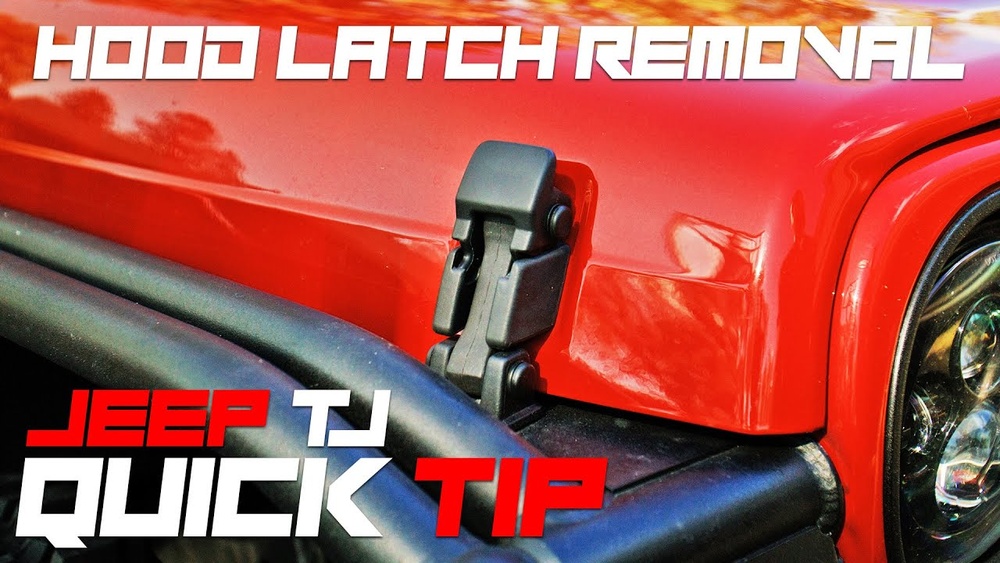
Removing the hood latches on a Jeep is a common task for Jeep owners who want to upgrade, repair, or customize their vehicle. Whether you're swapping out old, faded latches for new ones or adjusting for better security, the process can be simple if you follow clear steps.
Understanding the tools, techniques, and mistakes to avoid will help you work faster and safer. This guide gives you everything you need to know about removing Jeep hood latches, with practical advice and insider tips that even experienced drivers sometimes overlook.
What Are Jeep Hood Latches?
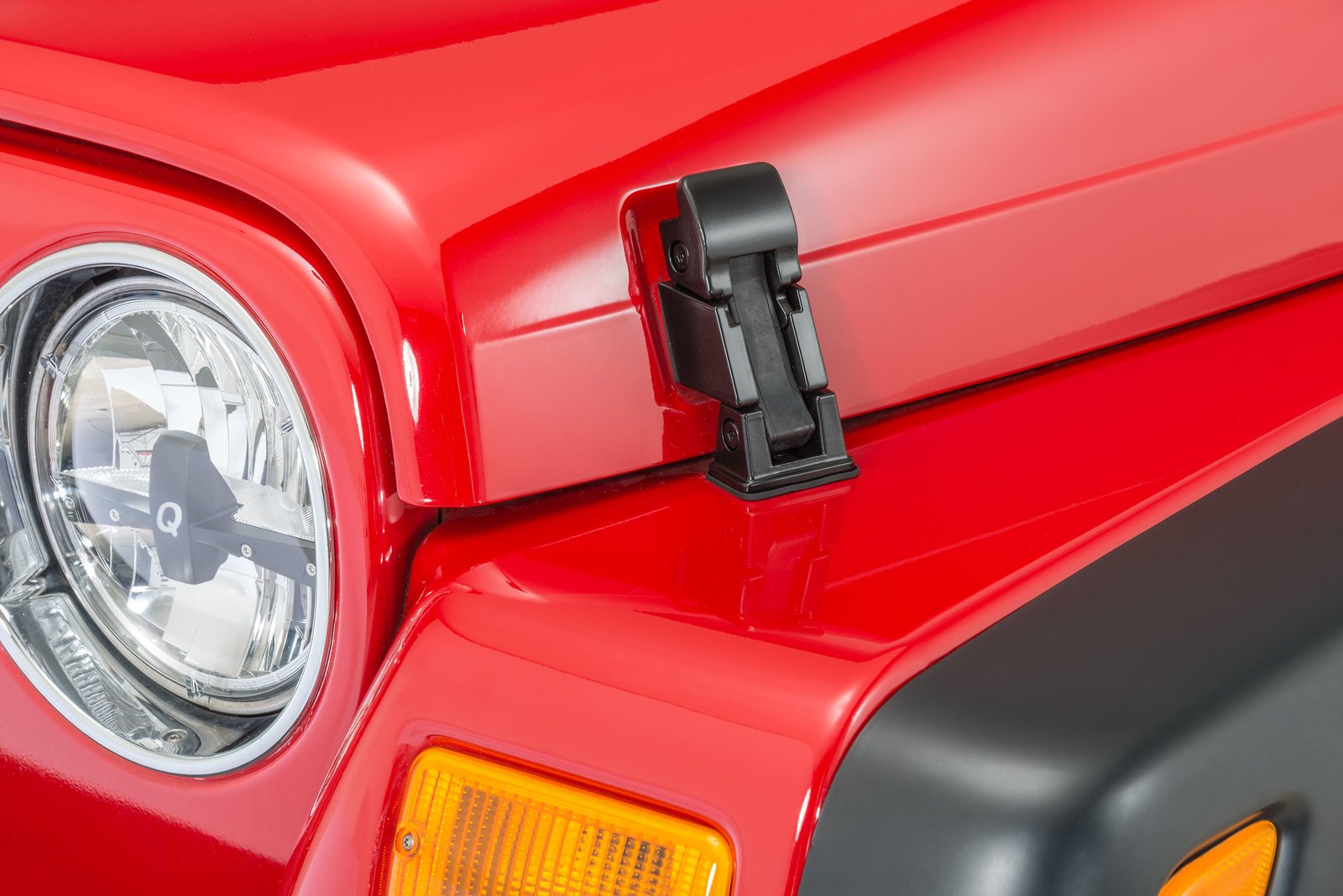
Jeep hood latches are small but essential parts. They keep your hood securely closed while driving and prevent it from bouncing or flying open. Most Jeep models use rubber or metal latches, often located on both sides of the hood. Over time, these latches can wear out, break, or lose tension. Upgrading to stronger or more stylish latches is a popular customization.
Here’s a quick comparison of typical latch types:
| Latch Type | Material | Typical Lifespan |
|---|---|---|
| Rubber | Flexible Rubber | 3-5 Years |
| Metal | Steel/Aluminum | 5-10 Years |
Tools Needed For Removing Hood Latches
Before starting, gather the right tools. Using proper tools avoids damage and saves time.
- Socket wrench set
- Screwdrivers (Phillips and flathead)
- Torx bits (some models require these)
- Protective gloves
- Penetrating oil (for rusted bolts)
- Microfiber cloth
Some Jeep models, especially Wrangler JK and JL, use Torx bolts. Always check your owner’s manual for specific bolt sizes.
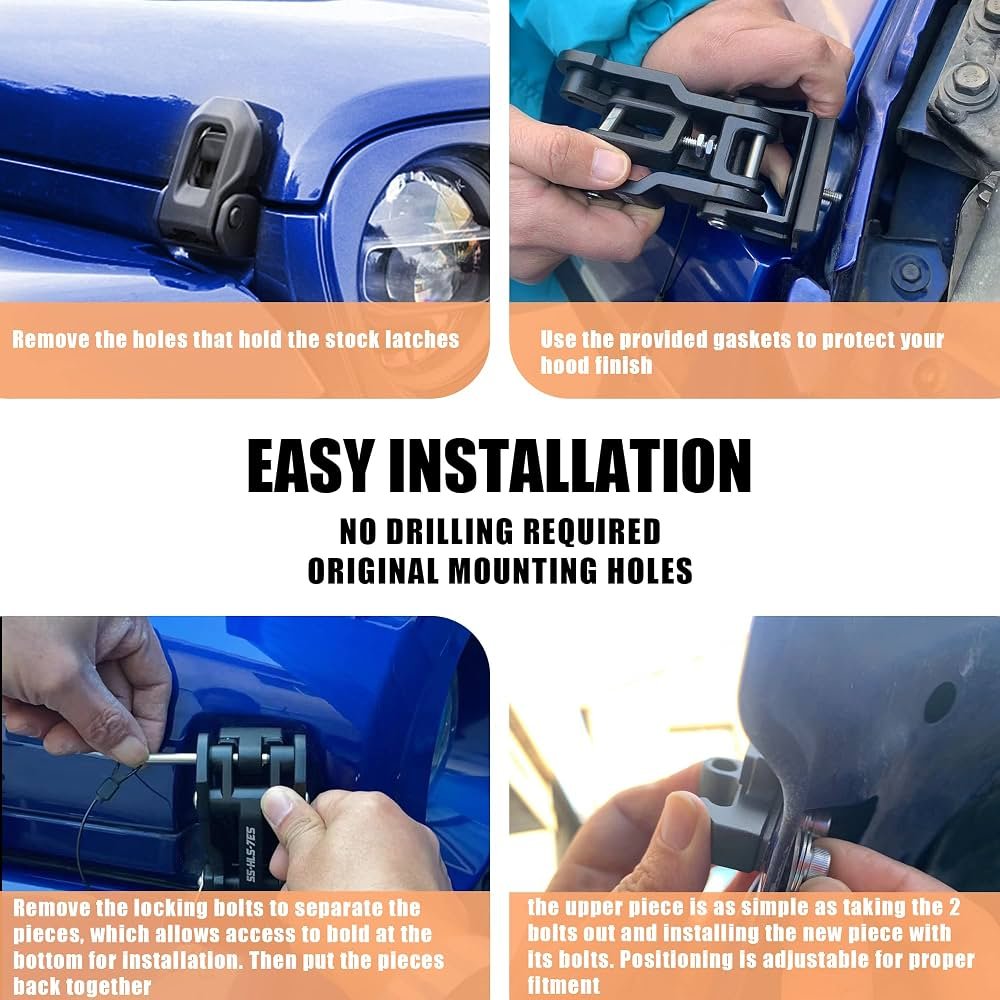
Step-by-step Guide: Removing Jeep Hood Latches
Follow these steps for safe and effective removal. This process works for most Jeep models, including Wrangler, Cherokee, and Gladiator.
1. Park And Prep
- Park your Jeep on level ground.
- Turn off the engine.
- Put on gloves for safety.
2. Open The Hood
- Release the hood latch inside the Jeep.
- Lift the hood and secure it with the prop rod.
3. Locate Latch Bolts
- Find the bolts holding the latch to the hood and fender.
- Most Jeeps have two latches, one on each side.
4. Remove Bolts
- Use the socket wrench or Torx bit to loosen and remove bolts.
- If bolts are rusty, spray penetrating oil and wait a few minutes.
- Keep bolts and washers in a safe place; you may need them later.
5. Detach The Latch
- Gently pull the latch away from the hood or fender.
- For rubber latches, twist and pull to remove from mounting points.
- Metal latches may require extra force but avoid bending the hood.
6. Clean The Area
- Wipe the area with a microfiber cloth.
- Check for rust or paint damage.
- Now, the hood latch area is ready for new hardware or upgrades.
Here’s a simple comparison of removal difficulty for popular Jeep models:
| Jeep Model | Latch Removal Difficulty | Bolt Type |
|---|---|---|
| Wrangler JK | Easy | Torx |
| Wrangler JL | Moderate | Torx |
| Cherokee XJ | Easy | Hex |
| Gladiator | Moderate | Torx |
Common Mistakes And How To Avoid Them
Even experienced Jeep owners sometimes make mistakes. Here are two non-obvious problems:
- Over-tightening bolts: When reinstalling, tightening bolts too much can crack the hood or damage the latch. Use moderate force.
- Ignoring paint scratches: Removing latches can scratch paint. Touch up small scratches to prevent rust.
Many beginners forget to keep the old bolts. Some aftermarket latches require you to reuse original hardware, so store everything carefully.
Tips For Easier Removal And Upgrade
- Use a magnetic tray to hold bolts and washers.
- If latches are stuck, gently wiggle instead of forcing.
- For older Jeeps, check the area for rust and treat it before installing new latches.
Some owners upgrade to locking hood latches for added security. These require similar removal steps but may need extra tools for installation.
Data: Hood Latch Failure And Replacement
According to a recent survey by Jeep forums, hood latch failure is one of the top five minor issues on older Wranglers. Over 30% of owners replace their latches within the first five years, mainly due to wear and weather damage.
Here’s a quick data snapshot:
| Issue | Percentage of Owners |
|---|---|
| Latch Wear/Failure | 32% |
| Latch Upgrade for Style | 21% |
| Latch Upgrade for Security | 15% |
When To Replace Vs. Repair
If your latch is cracked or the rubber is dry and brittle, replacement is best. Metal latches can sometimes be repaired by tightening bolts, but if they’re bent or rusted, swap them out.
Upgrading to stronger latches can prevent hood flutter at high speeds. For more information about Jeep maintenance and upgrades, visit Jeep Official Site.
Frequently Asked Questions
How Long Does It Take To Remove Jeep Hood Latches?
Most people finish in 15 to 30 minutes. Older Jeeps may take longer if bolts are rusted or hard to reach.
Do I Need Special Tools For All Jeep Models?
Some models, like the Wrangler JL, require Torx bits. Always check your manual before starting. Basic tools are fine for older models.
Can I Reuse The Old Bolts And Washers?
Yes, if they’re not damaged or rusty. Many aftermarket latches are designed to fit original hardware.
Will Removing The Latches Affect My Warranty?
Generally, removing or upgrading hood latches does not affect your warranty, but check with your dealer first.
What Should I Do If A Bolt Is Stuck Or Stripped?
Spray penetrating oil and wait 10-15 minutes. If the bolt is stripped, use a bolt extractor or seek professional help.
Removing Jeep hood latches is a simple task that can improve your vehicle’s look and security. With the right tools and careful steps, most owners can complete the job without trouble.
Remember to check for rust, keep old hardware, and avoid over-tightening bolts.
Upgrading to new latches is a smart move for both style and safety.