Releasing the park brake on a Jeep may seem simple, but many drivers—especially those new to the brand or to off-road vehicles—find themselves confused. Whether you drive a classic Wrangler, a modern Grand Cherokee, or a rugged Gladiator, knowing how to safely and correctly release the parking brake is important. This guide breaks down the steps for both manual and electronic systems, explains key differences, and highlights common mistakes that can lead to damage or frustration.
Understanding Jeep Parking Brake Systems
Jeep vehicles use two main types of parking brake systems: traditional hand or foot-operated mechanical brakes, and newer electronic parking brakes (EPB). Knowing which one your Jeep has is the first step.
| Jeep Model | Parking Brake Type | Release Method |
|---|---|---|
| Wrangler (pre-2018) | Manual hand lever | Lift and press button |
| Wrangler JL (2018+) | Manual hand lever | Lift and press button |
| Grand Cherokee (older models) | Foot pedal | Press pedal, then release |
| Grand Cherokee (newer models) | Electronic | Button press |
| Gladiator | Manual hand lever | Lift and press button |
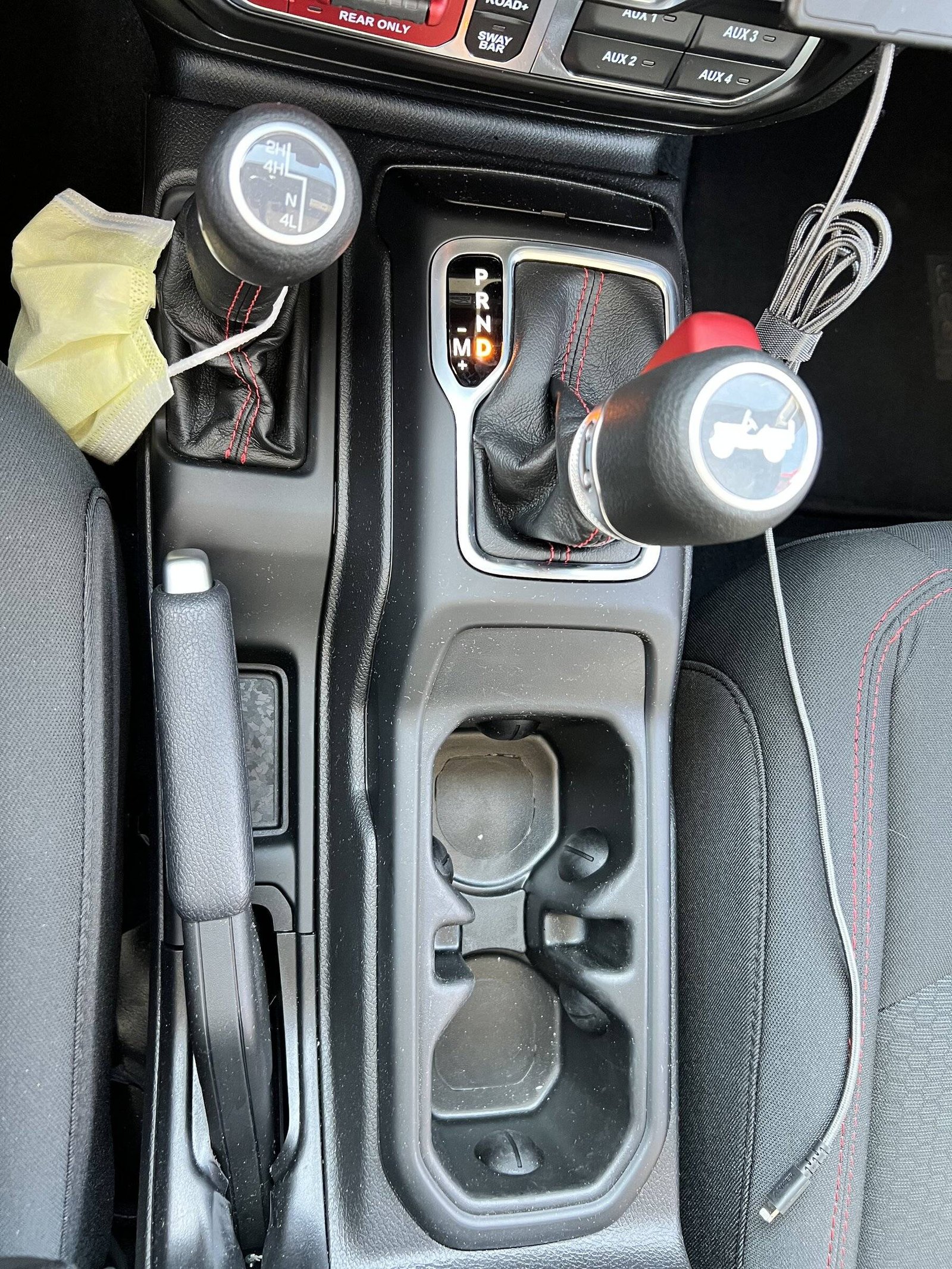
Most Wranglers and Gladiators use a manual hand lever between the seats. Many Grand Cherokees use a foot pedal or, in recent models, an electronic button.
How To Release A Manual Parking Brake
Most Jeep Wranglers, Gladiators, and older Cherokees use a manual system. Releasing it is easy, but doing it incorrectly can wear out parts or damage the brake.
- Sit in the driver’s seat and make sure the Jeep is in “Park” (automatic) or in gear (manual transmission).
- Press your foot on the brake pedal for safety.
- Hold the hand brake lever (located between the front seats) and gently pull up slightly.
- Press and hold the release button at the end of the lever.
- Lower the lever fully while holding the button, then release the button.
- Check the brake warning light on your dashboard. It should turn off.
For foot pedal parking brakes (common in older Grand Cherokees):
- Keep your foot on the brake pedal.
- Find the foot pedal to the left of the main brake.
- Press the pedal down firmly, then let go. It should pop up and release.
- Confirm the warning light is off.
Non-obvious Tips For Manual Brakes
- If the brake feels stuck, rock the lever gently—don’t force it. Rust or cold weather can cause stiffness.
- Lowering the lever too fast can snap internal cables, so always move it smoothly.
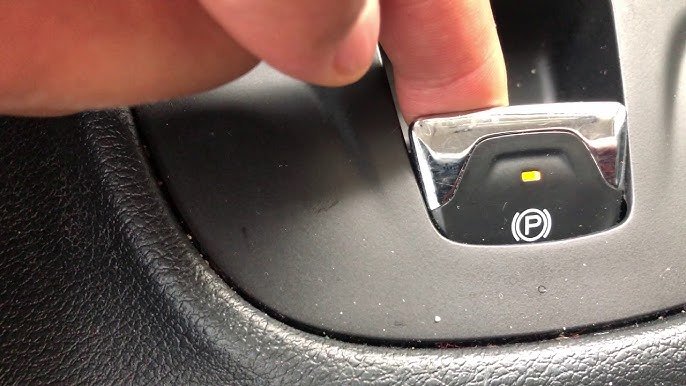
How To Release An Electronic Parking Brake
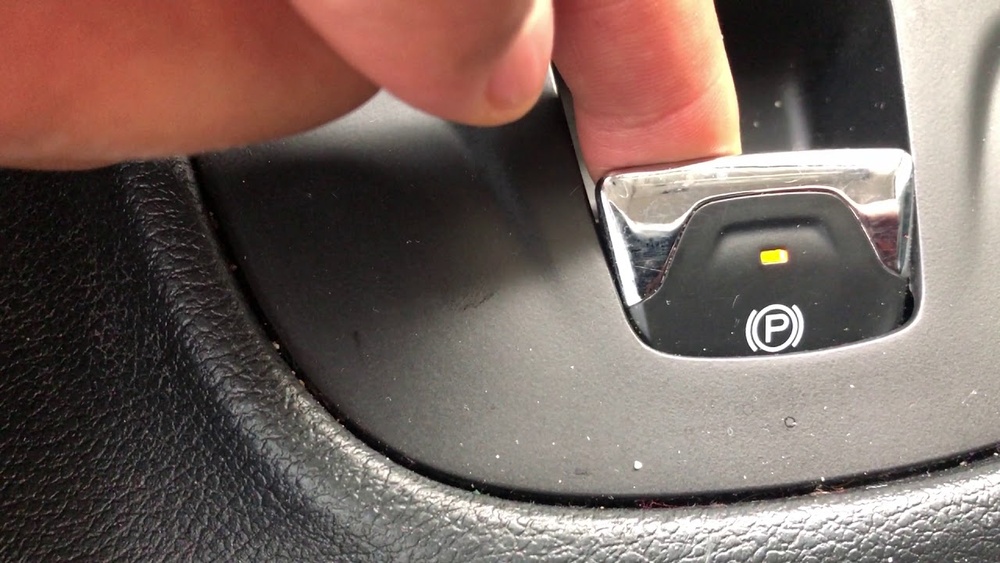
Newer Jeep models like the latest Grand Cherokee use an electronic parking brake (EPB). This system uses a small button near the gear shifter.
- Turn on the ignition or start the engine.
- Press the brake pedal with your foot.
- Locate the EPB button (usually marked with a “P” in a circle).
- Pull or push the button (depends on model). The brake should release with a soft click.
- Watch for the indicator light to turn off on the dashboard.
Some Jeeps let you automatically release the EPB by shifting into gear and pressing the gas pedal, as long as your seatbelt is on.
| Action | Manual Brake | Electronic Brake |
|---|---|---|
| Foot on main brake? | Recommended | Required |
| Button/Lever? | Lever with button | Electronic switch |
| Automatic release? | No | Sometimes |
Non-obvious Insights For Electronic Brakes
- If the battery is dead, the EPB may not release. Most Jeeps have an emergency manual release under a plastic cover, usually in the trunk or near the brake mechanism. Check your owner’s manual for details.
- Repeatedly pressing the EPB button quickly can confuse the system—wait for the light to go off before trying again.
Common Mistakes To Avoid
Even experienced drivers make mistakes with parking brakes. Here are some to watch out for:
- Forgetting to press the main brake pedal before releasing. This can cause the vehicle to roll unexpectedly.
- Pulling too hard or too soft on manual levers. Too hard wears out cables, too soft leaves the brake partly engaged.
- Ignoring warning lights. If the brake light stays on after release, check for stuck cables or a faulty sensor.
- Using the parking brake only on hills. It’s good practice to use it every time you park to keep cables in good shape.

Troubleshooting: When The Park Brake Won’t Release
Sometimes, the parking brake gets stuck. Here’s what to do:
- For manual brakes: Try rocking the vehicle slightly while releasing. If still stuck, check for ice, rust, or cable damage.
- For electronic brakes: Restart the vehicle and try again. If the problem continues, look for a manual release or call roadside assistance.
If you hear grinding or smell burning when releasing the brake, stop driving and get your Jeep checked by a mechanic.
Comparison: Manual Vs Electronic Parking Brakes
Understanding the pros and cons of each system helps you decide which is best for your needs.
| Feature | Manual Parking Brake | Electronic Parking Brake |
|---|---|---|
| Reliability | Very reliable, few parts | Can fail if battery is dead |
| Ease of Use | Simple, physical feedback | One-button convenience |
| Emergency Use | Easy to use if main brakes fail | Some systems allow emergency use |
| Maintenance | Occasional cable adjustment | Costlier repairs |
Safety Tips When Using Parking Brakes
- Always use the parking brake when parking, not just on hills.
- Release the brake fully before driving to avoid damage.
- Check for warning lights after release.
- Avoid parking with wet brakes in freezing weather; they can freeze and stick.
- Service your brakes regularly to prevent issues.
For more technical information, see the official Jeep Owner’s Manual.
Frequently Asked Questions
How Do I Know If My Jeep Has An Electronic Parking Brake?
Check near your gear shifter for a button marked with a “P” in a circle. If you see a lever between the seats or a foot pedal, you have a manual system.
Can I Release The Electronic Parking Brake With A Dead Battery?
Most Jeeps have a manual release, usually under a plastic cover near the brake system. Check your owner’s manual for the exact location and process.
Is It Safe To Drive With The Parking Brake Partially Engaged?
No, this can cause brake wear and even fire. Always check that the warning light is off before driving.
Why Does My Parking Brake Feel Stiff Or Stuck?
Common causes include rust, dirt, or freezing weather. Gently rocking the lever or warming the car can help. Persistent problems need a mechanic.
Should I Use The Parking Brake Every Time I Park?
Yes. Regular use keeps the mechanism working smoothly and reduces the risk of the brake sticking or failing.
Releasing the park brake on a Jeep is easy once you know the steps for your model. Always put safety first use the main brake pedal, check for warning lights, and never force the mechanism.
With a little practice, you’ll keep your Jeep ready for any adventure.