If you drive a 2015 Jeep Cherokee, you know how important a working air conditioner is especially during hot summers or long road trips. When your AC starts blowing warm air, it can turn a pleasant drive into an uncomfortable experience.
Often, this problem is caused by low refrigerant in the system. The good news is you can recharge your AC at home if you follow the right steps and safety tips.
This guide will help you understand the process, avoid common mistakes, and keep your Jeep's AC running cool.
Even if you have never worked with automotive AC before, you’ll find everything you need to get started safely and confidently.
Understanding Ac Recharge Basics
Your 2015 Jeep Cherokee uses R-134a refrigerant—a common type in many vehicles of this age. Over time, small leaks or normal use can reduce refrigerant levels, making your AC less effective. You might notice the air gradually gets warmer or takes longer to cool the cabin. Recharging means adding more refrigerant to restore cooling performance. It’s a simple way to solve minor issues and can save you a trip to the mechanic if the problem is just low refrigerant.
However, if your system has a major leak or other issues, recharging is only a temporary fix. Persistent problems, such as the AC losing its cooling quickly after a recharge, may need professional diagnosis.
Signs like oily residue around AC fittings or loud noises from the compressor can indicate a deeper problem.
Knowing the difference between a minor and major issue can save you time and money.
What You Need Before You Start
Before you begin, gather these items:
- R-134a refrigerant canister (with gauge hose)
- Safety gloves and glasses
- Flat parking space
- Owner’s manual (for reference)
Never use the wrong refrigerant type. Using R-1234yf or other types can damage your system and may void your warranty.
Even a small mistake in refrigerant selection can lead to expensive repairs, so always double-check before buying. Also, make sure your recharge kit has a built-in gauge; this is crucial for accurate filling and avoiding overcharging.
Step-by-step: How To Recharge Ac On A 2015 Jeep Cherokee
Follow these steps to recharge your AC safely:
- Start the engine and turn the AC to the highest setting. This helps circulate the refrigerant and ensures the compressor is running.
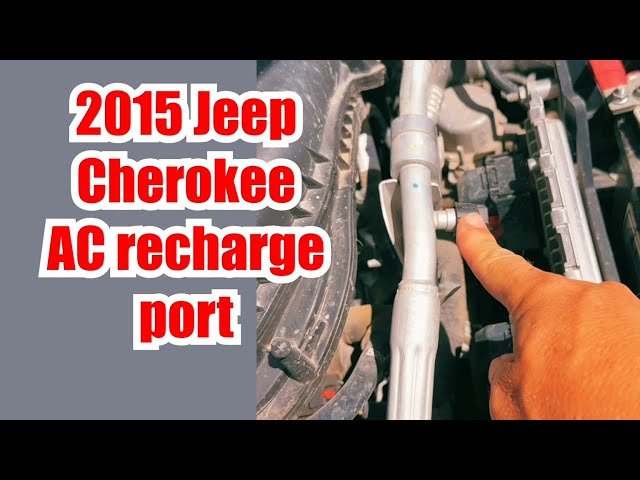
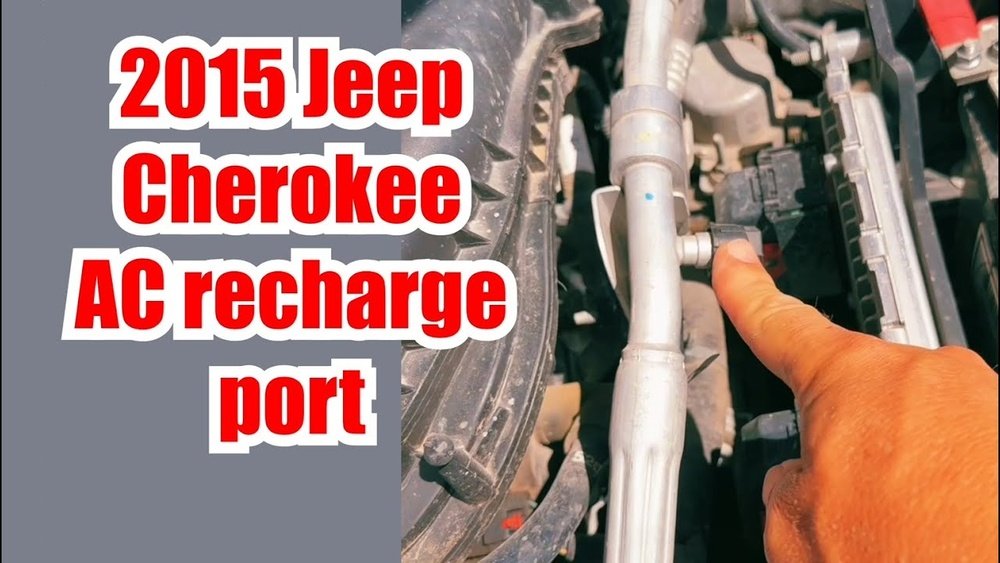
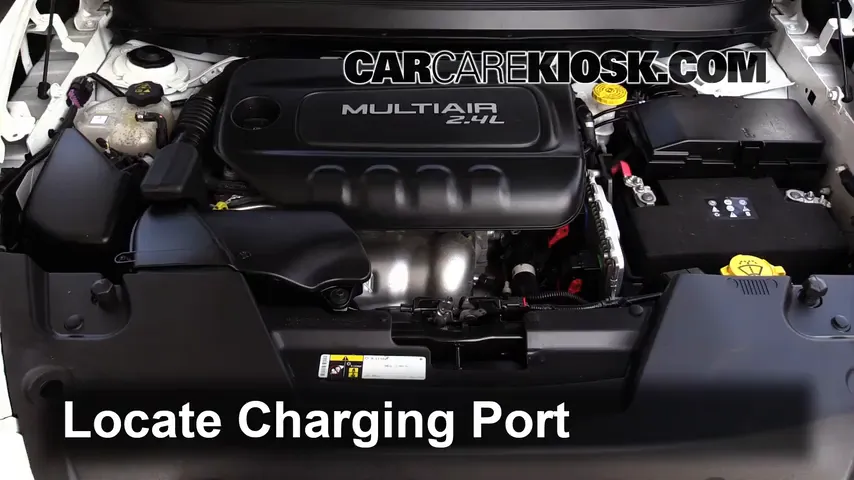
- Open the hood and locate the low-pressure AC port. It’s usually on the passenger side, with a small plastic cap labeled “L.” If you have trouble finding it, check your owner’s manual or look for diagrams online.
- Attach the recharge hose to the refrigerant can and then to the low-pressure port. Make sure the connection is secure—if you hear hissing, the hose may not be tight enough.
- Read the pressure using the gauge. For a 2015 Jeep Cherokee, the correct range is usually 25-45 psi. Check your manual to confirm the exact number; outside temperature can affect readings, so try to work in moderate weather.
- Add refrigerant slowly. Squeeze the trigger for 5-10 seconds, then check the gauge. Repeat until pressure is in the normal range. Do not overfill. Adding refrigerant too quickly can cause the system to misread the actual pressure, so patience is key.
- Remove the hose and replace the port cap. Make sure no refrigerant escapes during removal; a small hiss is normal, but anything more may indicate a loose connection.
- Check AC performance. The air should be cold within minutes. If the air is still warm, recheck your steps or inspect for signs of leaks.
If you are unsure at any step, pause and review instructions. Taking your time helps avoid mistakes and ensures your AC system stays healthy.
Key Tips For Success
- Only recharge if the compressor is running. If the compressor does not engage, the system may have a larger issue, such as an electrical fault or blown fuse.
- Always wear eye protection. Refrigerant can cause injury if it contacts your skin or eyes. Even a small splash can be harmful, so don’t skip this step.
- Keep the can upright when adding refrigerant to avoid liquid entering the system. This prevents damage and ensures the refrigerant enters as a gas, which is safer for the AC system.
- Check for unusual noises or vibrations while recharging. These can signal mechanical issues that need professional attention.

Common Mistakes To Avoid
Many beginners make these errors:
- Overfilling the system. Too much refrigerant reduces cooling and can damage components. Always stop and check the gauge often.
- Using the high-pressure port by mistake. Always use the low-pressure port (marked “L”). The high-pressure port is not designed for recharging and can cause accidents.
- Ignoring leaks. If your system is empty, recharging will not fix the problem for long. Look for signs like oily residue or bubbles around fittings.
- Not cleaning the port before attaching the hose. Dirt can enter the system and cause blockages.
Learning from these mistakes can save you hassle and protect your vehicle.
When To Seek Professional Help
If your AC still blows warm after recharging, or if the pressure reading is outside the normal range, your Jeep may have a larger issue like a failed compressor or a leak. In these cases, visit a certified mechanic for diagnosis.
Other signs you need help include strange smells from the vents, loud compressor noises, or rapid loss of cooling after a recharge.
Example: Pressure Reading Table
Here’s a quick reference for pressure readings and what they mean:
| Pressure (psi) | System Status | Action Needed |
|---|---|---|
| 0-20 | Too Low | Add refrigerant |
| 25-45 | Normal | No action needed |
| 50+ | Too High | Stop—seek help |
If you see pressure above 50 psi, do not continue adding refrigerant. High pressure can damage seals or hoses and is often caused by overcharging or blocked components.
Important Data: Refrigerant Capacity
Understanding your system’s refrigerant capacity helps avoid overcharging:
| Model Year | Refrigerant Type | Capacity (oz) |
|---|---|---|
| 2015 Jeep Cherokee | R-134a | 18-22 |
It’s rare to need the full amount unless the system is totally empty. Usually, a partial recharge is enough to restore cooling.
Always check your manual for the exact capacity if you suspect a major leak or repair.
Ac Recharge Vs. Professional Service
Should you always recharge at home? Here’s a comparison:
| DIY Recharge | Professional Service |
|---|---|
| Cheaper, quick, for minor issues | More expensive, thorough leak check |
| Good for small leaks or loss | Best for major problems or complex repairs |
DIY is best for topping up refrigerant when cooling drops slightly. Professionals have tools for leak detection, vacuum testing, and system flushes.
If you’re unsure, a mechanic can help you avoid costly mistakes.
Non-obvious Insights
Many owners forget to check the AC compressor clutch. If it doesn’t spin when the AC is on, recharging will not help. This is often overlooked and can be checked visually with the hood open. Also, temperature outside affects pressure readings—a hot day will show higher numbers. For the most accurate gauge readings, check in moderate weather or consult your manual for temperature corrections.
Another detail: the cabin air filter affects AC performance. If it’s clogged, even a fully charged AC may not blow cold air efficiently. Replacing the filter every 12,000–15,000 miles improves cooling and air quality.
Staying Safe
Refrigerant is dangerous if mishandled. Store cans in a cool, dry place and never heat them to speed up the process.
Dispose of empty cans responsibly. If you spill refrigerant, ventilate the area and avoid breathing fumes.
Always wash your hands after handling refrigerant and tools.
For more technical details about automotive air conditioning, visit the EPA’s official page.
Frequently Asked Questions
How Often Should I Recharge My 2015 Jeep Cherokee’s Ac?
Most systems don’t need recharging for several years unless there’s a leak. If the AC is cold, don’t add refrigerant.
Topping up too often can mask deeper issues and cause excess wear.
What Refrigerant Does My Jeep Cherokee Use?
The 2015 model uses R-134a. Never substitute with other types without consulting your manual. Using the wrong refrigerant can cause expensive damage and may affect performance.
Is Diy Ac Recharge Safe?
It’s safe if you follow instructions and wear protective gear. If you’re unsure, ask a mechanic for help. Always work in a well-ventilated area and avoid open flames nearby.
Can I Use A Recharge Kit With Leak Sealer?
Avoid kits with sealers. They can clog your AC system and cause bigger problems later.
If you suspect a leak, a mechanic can find and repair it without risking damage from sealers.
Why Is My Ac Still Not Cold After Recharging?
There may be a larger issue, such as a failed compressor, broken fan, or a major leak. Professional diagnosis is best in these cases.
Sometimes electrical faults or blown fuses cause cooling problems, so check these before recharging.
A cool and comfortable ride is possible with a little care. By following these steps, you can keep your 2015 Jeep Cherokee’s AC working at its best.
If you ever feel unsure, don’t hesitate to seek expert help your comfort and safety are always worth it.
With the right tools and knowledge, even beginners can recharge their AC and enjoy cold air on every drive.