If your Jeep Grand Cherokee’s air conditioning isn’t blowing cold air, a recharge might solve the problem. Many drivers worry this is a complex job, but with the right tools and clear instructions, you can recharge the AC at home.
Recharging restores cool air, makes summer drives comfortable, and can save money. However, it’s crucial to follow each step closely for safety and the best results.
This guide walks you through everything you need to know about recharging the AC in your Jeep Grand Cherokee.
Understanding The Ac System In A Jeep Grand Cherokee
Your Jeep’s AC uses a refrigerant (usually R-134a for models before 2017 and R-1234yf for newer ones) to cool the air. Over time, refrigerant can leak or lose pressure, causing the system to blow warm air. The AC system is sealed, so if it’s low, there’s usually a small leak. Recharging adds refrigerant, but doesn’t fix leaks—so it’s a good idea to check for leaks if the system keeps losing cold air.
Key Ac System Parts
- Compressor: Pressurizes refrigerant and moves it through the system.
- Condenser: Cools the refrigerant.
- Evaporator: Absorbs heat, producing cool air.
- AC Lines: Carry refrigerant between components.
If these parts are working, a recharge can quickly restore cooling. However, if you hear odd noises or see oily spots, get a mechanic to check for deeper problems.
Tools And Materials You Need
Before starting, gather these items:
- AC Recharge Kit: Includes refrigerant and a pressure gauge.
- Safety Glasses & Gloves: Refrigerant can cause burns.
- Owner’s Manual: For your Jeep’s refrigerant type and capacity.
For most Grand Cherokees, you’ll need about 20-24 oz of refrigerant. Never mix different types—always use the correct one listed on a label under the hood or in your manual.
| Model Year | Refrigerant Type | Approx. Capacity |
|---|---|---|
| 2010-2016 | R-134a | 22 oz |
| 2017+ | R-1234yf | 20 oz |
Step-by-step: How To Recharge Ac In Jeep Grand Cherokee
Recharging your AC takes about 30 minutes. Here’s how to do it:
1. Locate The Low-pressure Port
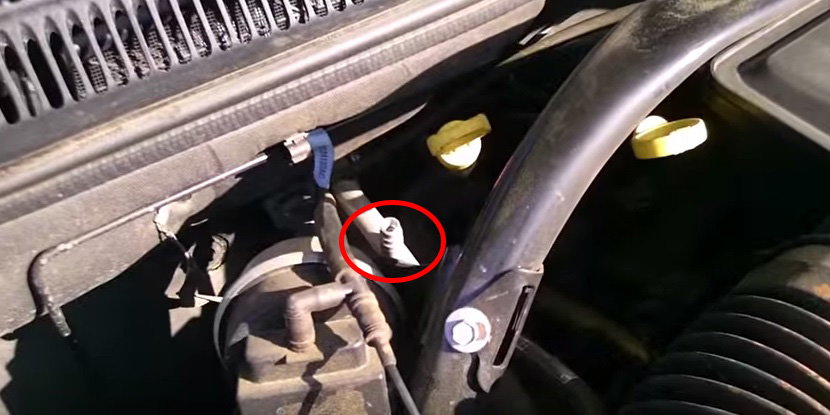
Open the hood. The low-pressure port is usually on the larger AC line, close to the firewall (the metal wall at the back of the engine bay). It has a plastic cap labeled “L” or “LOW.”
2. Start The Engine And Set Ac To Max
Turn on your Jeep. Set the AC to maximum cold and fan speed. This ensures the compressor is running and ready to take refrigerant.
3. Attach The Recharge Hose
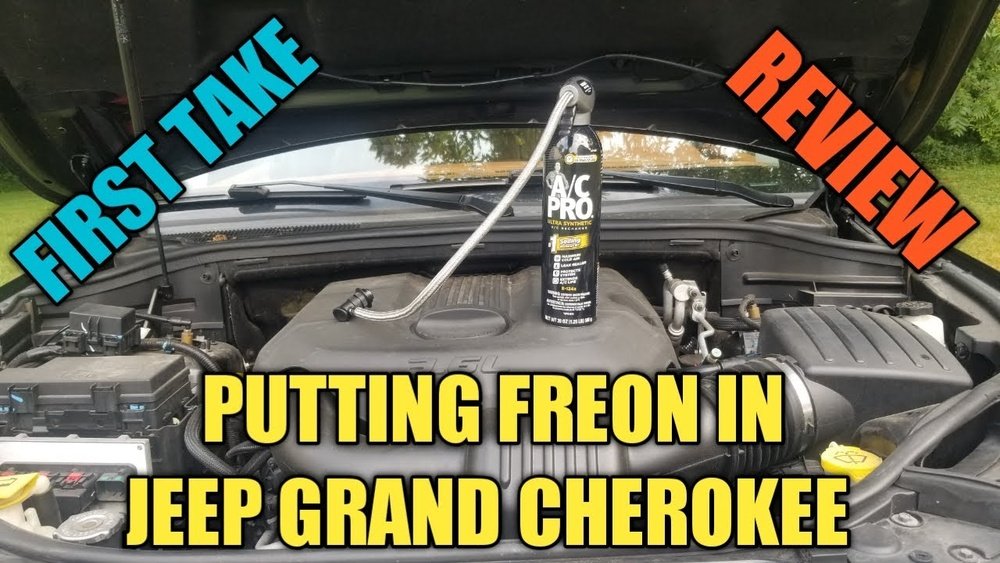
Connect the AC recharge kit’s hose to the low-pressure port. It only fits one way. Always wear safety glasses and gloves.
4. Check The Pressure
Read the gauge. Most systems should be between 25-45 psi when the AC is on high. If it’s below, you need a recharge.
5. Add Refrigerant
With the can upright, squeeze the trigger in short bursts. Watch the gauge and stop when the pressure reaches the recommended zone.
Do not overfill too much refrigerant can damage the system.
6. Monitor Cooling
Feel the air from the vents. It should become noticeably colder within 5-10 minutes.
If it doesn’t, stop and check for leaks or other problems.
7. Remove The Hose And Replace Cap
Turn off the can, disconnect the hose, and put the cap back on the low-pressure port.
8. Dispose Of The Can Safely
Follow local rules for refrigerant can disposal. Do not throw it in regular trash.
Tips For A Successful Recharge
- Always use the correct refrigerant type for your Jeep.
- Do not recharge if you hear hissing or see oily residue—this means a leak needs repair.
- Avoid overfilling; too much refrigerant can raise pressure and damage the compressor.
- Recharge only when outside temperature is above 60°F (16°C); colder weather gives inaccurate readings.
| Symptom | Possible Cause | Solution |
|---|---|---|
| Warm air only | Low refrigerant | Recharge AC |
| Hissing sound | Leak in system | Repair before recharging |
| Compressor won’t engage | Electrical or low pressure | Check fuse or recharge |
Common Mistakes To Avoid
- Skipping leak checks: Recharging a leaking system only gives short-term relief.
- Using wrong refrigerant: Mixing types can harm the AC and cost more to fix.
- Overcharging: Too much refrigerant can cause poor cooling or damage.
- Not wearing protection: Refrigerant can injure skin and eyes.
- Ignoring system noises: Clicking or rattling means something else may be wrong.
When To See A Professional
If your AC still doesn’t cool after a recharge, or the gauge shows pressure in the normal range but vents blow warm air, visit a certified mechanic. Some AC problems require special tools and skills. Electrical issues, major leaks, or a broken compressor are best handled by professionals. Always check your warranty—DIY recharging could void coverage on newer vehicles.
Cost Comparison: Diy Vs. Mechanic
Here’s a quick look at what you might spend:
| Method | Average Cost | Time Needed |
|---|---|---|
| DIY Recharge Kit | $35-$60 | 30-60 min |
| Professional Service | $150-$300 | 2-3 hours |
A DIY recharge is much cheaper, but only works for simple cases. For lasting results, fix leaks and service your AC regularly.
Frequently Asked Questions
How Do I Know If My Jeep Grand Cherokee Needs An Ac Recharge?
If the AC blows warm air, takes longer to cool, or the pressure gauge reads low, you likely need a recharge. Unusual noises or smells could mean a bigger problem.
What Refrigerant Does My Jeep Grand Cherokee Use?
Most models before 2017 use R-134a. Newer models use R-1234yf. Always check your owner’s manual or under-hood label for the correct type.
Is It Safe To Recharge My Ac Myself?
Yes, with the right tools and safety gear. Follow instructions carefully and never overfill. If you’re unsure, ask a mechanic.
How Often Should I Recharge My Ac?
AC systems don’t need regular recharging. Only recharge if cooling drops, since the system is sealed.
Frequent recharging means there’s a leak that needs repair.
Where Can I Learn More About Automotive Ac Systems?
You can read more about AC maintenance and refrigerants on the Wikipedia page for Automobile Air Conditioning.
Recharging your Jeep Grand Cherokee’s AC is a great DIY project for those who like to save money and learn about their vehicle.
With patience, attention to detail, and the right materials, you’ll restore cool comfort and enjoy your drive, even on the hottest days.