If your Jeep’s engine sounds like it’s clicking or tapping, you might be dealing with noisy lifters. This problem is common in many Jeep models, especially those with higher mileage or older engines.
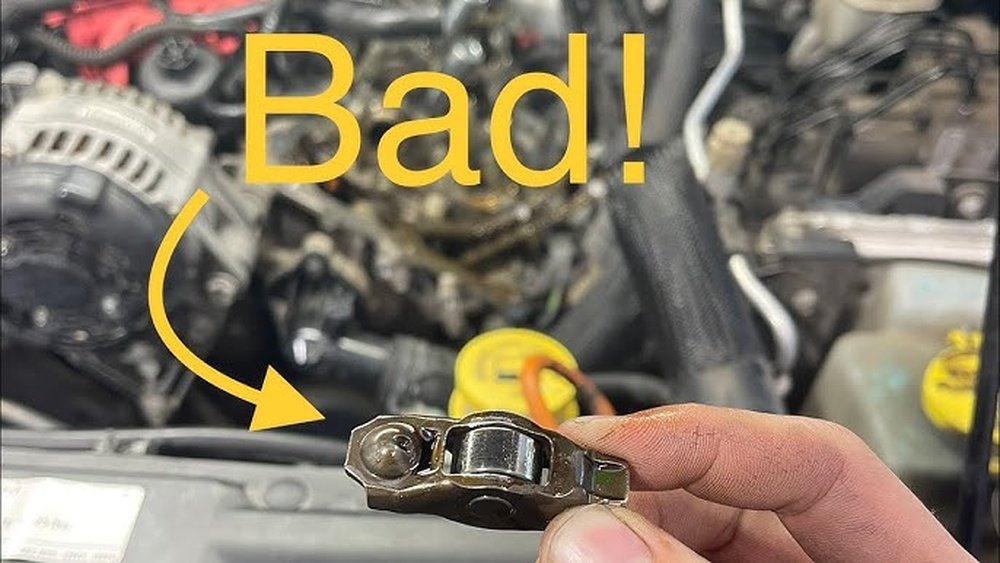
Lifters are small parts inside your engine that help open and close valves. When they get noisy, it can be annoying—and sometimes a sign of bigger issues.
But the good news is, most noisy lifters can be fixed or at least made quieter with the right approach. Let’s break down exactly how you can quiet noisy lifters in your Jeep and keep your engine running smoothly.
What Causes Noisy Lifters In Jeeps?
Understanding the root of the problem helps you fix it faster. Lifters are supposed to move smoothly with oil. If something stops oil from reaching them, or if they get worn out, they make noise. Common causes include:
- Old or dirty engine oil: Oil loses its effectiveness over time. Dirt and particles can block tiny lifter passages.
- Wrong oil type: Using oil that’s too thick or too thin can cause problems, especially in cold weather.
- Low oil levels: Not enough oil means lifters won’t get proper lubrication.
- Worn lifters or other engine parts: Lifters can wear out after years of use, especially in Jeeps that see off-road or heavy use.
Let’s look at the signs. Besides the obvious ticking or clicking, you may notice decreased engine performance or rough idling. These symptoms often appear in Jeep models like the Wrangler, Cherokee, and older Grand Cherokee.
How To Quiet Noisy Lifters Jeep: Step-by-step
Fixing noisy lifters isn’t always expensive or difficult. Here’s a practical guide:
1. Change Engine Oil And Filter
Fresh oil often solves lifter noise, especially if the oil is dirty or old. Use the oil recommended by Jeep, usually 5W-30 or 10W-30 for most models.
- Drain old oil completely.
- Replace the oil filter.
- Fill with new oil to the correct level.
Older Jeeps may benefit from high-mileage oils that contain additives to clean and protect lifters.
2. Use Oil Additives
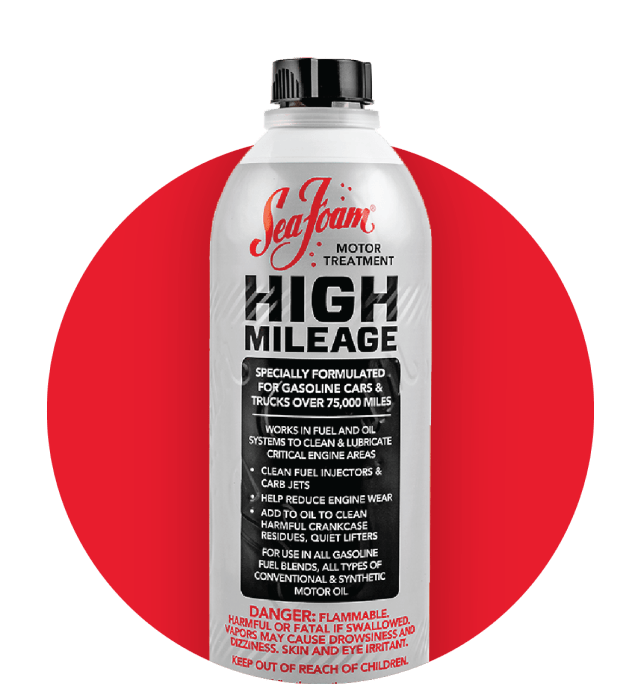
Some products help clean lifters and reduce noise. Additives like Marvel Mystery Oil or Sea Foam can loosen deposits and improve lubrication. Always follow the instructions on the bottle.
- Pour the additive into your oil fill cap.
- Drive for a few days to let it work.
- Change oil again if recommended.
3. Check Oil Level Regularly
Low oil is a common cause of lifter noise. Check the dipstick every few weeks, especially if your Jeep is older.
- Park on a level surface.
- Wait for the engine to cool.
- Pull the dipstick, wipe, reinsert, and check level.
4. Inspect For Mechanical Issues
If oil changes don’t help, the lifters may be worn or stuck. In rare cases, you might need to:
- Remove the valve cover.
- Inspect lifters for wear or damage.
- Replace lifters if necessary.
This job can be tricky, so consider a mechanic if you’re not comfortable.
5. Clean The Engine Internals
Sludge and debris cause lifter sticking. Engine flush products can help, but use them sparingly.
- Add flush product before oil change.
- Run engine as directed (usually 5-10 minutes).
- Drain and refill with fresh oil.
6. Use The Right Oil For Your Climate
Jeep engines in cold climates need thinner oil. In hot climates, thicker oil works better.
Check your owner’s manual or ask a mechanic.
Jeep Lifter Noise: Data And Comparisons
How common is lifter noise in different Jeep models? Here’s a look:
| Jeep Model | Year Range | Lifter Noise Reports (%) |
|---|---|---|
| Wrangler | 2007-2018 | 12 |
| Cherokee | 2014-2021 | 8 |
| Grand Cherokee | 2005-2015 | 15 |
Lifter noise is most common in older Grand Cherokee models.
Here’s a quick comparison of oil types and their effect on lifter noise:
| Oil Type | Viscosity | Lifter Noise Reduction (%) |
|---|---|---|
| Conventional | 10W-30 | 20 |
| Synthetic | 5W-30 | 35 |
| High-Mileage | 10W-40 | 45 |
High-mileage oils work best for older engines.
Common Mistakes When Fixing Noisy Lifters
- Using the wrong oil type.
- Skipping regular oil changes.
- Ignoring noise until it gets worse.
- Adding too many additives at once.
- Not checking oil level properly.
These mistakes can make the problem worse or even damage the engine.

Real-world Example
A 2012 Jeep Wrangler owner noticed loud ticking after winter. They changed to synthetic 5W-30 oil and added Marvel Mystery Oil.
The noise dropped by 80% after two weeks. This shows that simple maintenance can make a big difference.
When To Seek Professional Help
If noise continues after oil changes and additives, or if your Jeep runs poorly, see a mechanic. Persistent lifter noise may signal deeper engine issues like worn camshafts or valve damage. Early action prevents expensive repairs.

Cost Comparison: Diy Vs Mechanic
Let’s look at the cost difference:
| Fix | DIY Cost ($) | Mechanic Cost ($) |
|---|---|---|
| Oil Change | 40 | 90 |
| Additive | 10 | 30 |
| Lifter Replacement | 200 | 600 |
DIY saves money but requires basic tools and knowledge.
Preventing Noisy Lifters In Jeeps
- Change oil and filter every 3,000–5,000 miles.
- Use quality oil and recommended additives.
- Avoid harsh driving (heavy loads, extreme RPMs).
- Check oil level monthly.
Regular care extends engine life and keeps lifters quiet.
You can find more detailed guidance about lifter maintenance on Wikipedia.
Frequently Asked Questions
What Are Lifters In A Jeep Engine?
Lifters are small parts inside your engine that help move the valves. They transfer motion from the camshaft to the valves, letting air and fuel in and out.
Can Noisy Lifters Damage My Jeep Engine?
If ignored, noisy lifters can cause bigger problems. They may lead to valve damage or reduce engine performance. Fixing the issue early is safest.
How Often Should I Change Oil To Prevent Lifter Noise?
Change your oil every 3,000–5,000 miles. For older Jeeps, use high-mileage oil and change a bit more often.
Do Oil Additives Really Work For Noisy Lifters?
Most additives help clean lifters and reduce noise, especially in engines with minor issues. Choose trusted brands and follow instructions.
Is It Safe To Drive With Noisy Lifters?
Driving short distances is usually safe. But long-term driving with noisy lifters can cause damage.
Fix the problem soon to avoid costly repairs.
Keeping your Jeep’s lifters quiet starts with regular maintenance, careful oil choices, and quick action if you hear new noises. With these steps, your engine will run smoother, last longer, and stay reliable for all your adventures.