Putting the soft top on a Jeep is a skill every owner should learn. The process seems easy, but it’s more than just snapping pieces together.
Doing it right keeps your Jeep dry, safe, and looking sharp. Many beginners struggle with alignment, tightness, and the hardware.
This guide explains the process step-by-step, highlights common mistakes, and includes helpful data so you can fit your soft top confidently and efficiently.
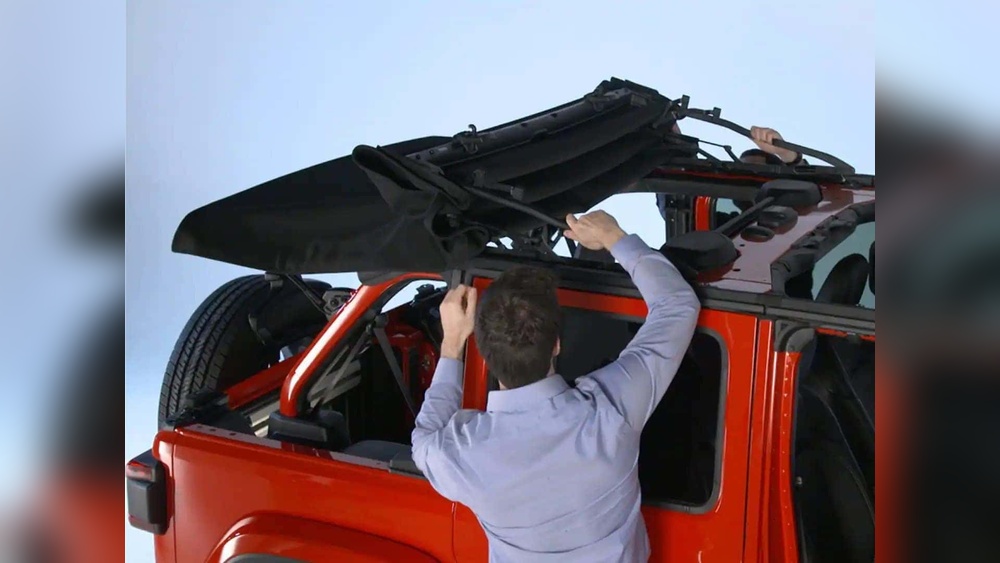
Understanding Your Jeep Soft Top
Jeep soft tops come in different types, such as full soft tops, half tops, and frameless designs. Most models use vinyl or canvas, and the frame is usually made of steel or aluminum. In the US, about 60% of Jeep Wrangler owners use soft tops during summer, mainly for flexibility.
A full soft top covers the entire vehicle, while half tops only cover the front seats. Frameless tops are lighter but can be trickier to install.
Before starting, check your Jeep’s manual for model-specific instructions.
Key Parts Of A Soft Top
- Canvas/Vinyl fabric
- Frame or bows
- Windows (side and rear)
- Latch mechanism
- Zippers and Velcro
Missing or damaged parts can cause leaks or make installation impossible. Always inspect your soft top before starting.
Preparing For Installation
Preparation is often overlooked but makes a big difference. Clear your workspace and check the weather—installing during rain or wind is risky. You’ll need:
- Soft top kit (fabric, frame, windows)
- Clean microfiber cloth
- Screwdriver or wrench (if hardware is required)
- Owner’s manual
Lay out all parts and compare them to your manual. Many Jeep owners forget this step and end up searching for missing pieces halfway through.
Pre-installation Tips
- Warm up the fabric: Soft top materials stretch better when warm. Leave them in the sun for 15–20 minutes.
- Clean mounting points: Dirt causes poor seals and scratches.
- Check frame alignment: Bent frames can make fitting impossible.
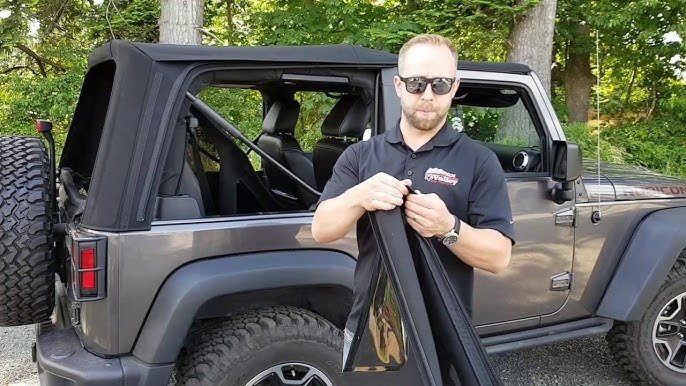
Step-by-step Installation Process
Most Jeep Wranglers follow similar steps. Here’s how to install a standard full soft top:
- Position the frame: Attach the frame to mounting points on the Jeep’s body. Make sure all bolts are tightened.
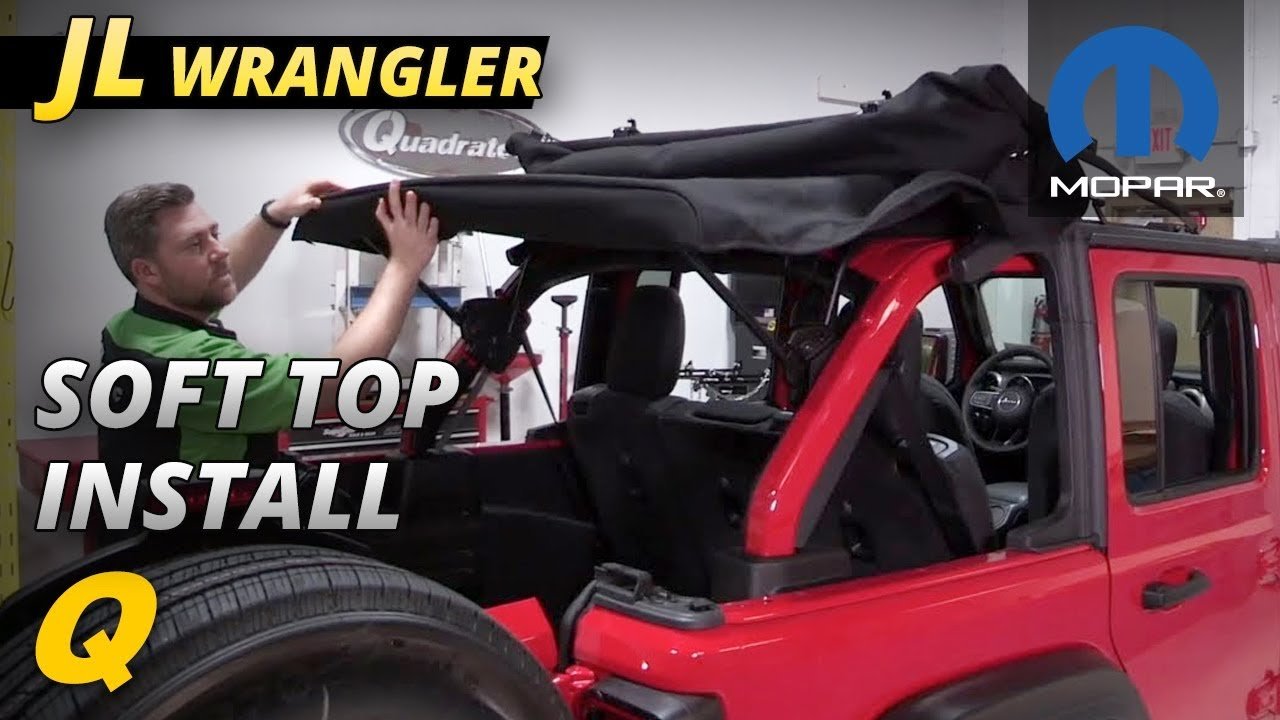
- Attach the fabric: Drape the soft top over the frame. Start from the front and work backward.
- Secure header rail: Lock the front edge of the fabric to the windshield header rail. This is vital for a tight seal.
- Fit side windows: Slide or zip side windows into place. Ensure zippers are fully closed.
- Install rear window: Fit the rear window, usually using zippers or Velcro.
- Tighten fabric: Pull fabric tight before securing final clips or fasteners.
- Check all seals: Run your hand along seams to ensure no gaps.
Comparison: Full Vs. Half Soft Top Installation
Here’s how installation steps differ:
| Step | Full Soft Top | Half Soft Top |
|---|---|---|
| Frame Setup | Complete frame | Partial frame |
| Fabric Attachment | Front to rear | Front only |
| Windows | Side and rear | None or only front |
| Seal Check | Full check | Front check |
Common Mistakes And How To Avoid Them
Many beginners make errors during installation. Here are the most frequent problems:
- Skipping the warm-up step: Cold fabric is hard to stretch and may tear.
- Not aligning the frame: A misaligned frame makes windows hard to fit.
- Forgetting seals: Gaps cause leaks, especially during rain.
- Over-tightening bolts: This can crack the frame or strip threads.
Troubleshooting Guide
If you run into problems, try these solutions:
| Problem | Solution |
|---|---|
| Fabric won’t reach | Warm up longer and pull evenly |
| Window won’t zip | Check frame alignment and clean zippers |
| Leaking roof | Inspect seals and tighten header rail |
| Frame won’t lock | Check for bent pieces or loose bolts |
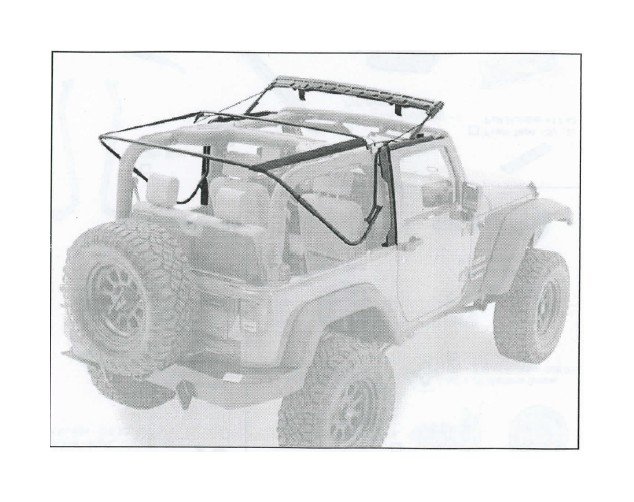
Practical Tips For A Perfect Fit
- Work with a friend: Two people make aligning and stretching easier.
- Lubricate zippers: Use silicone spray for smoother operation.
- Check weather stripping: Replace old strips for better seals.
- Store windows flat: Prevents scratches and warping.
- Use only Jeep-approved hardware: Avoid cheap replacements—they often fail.
Many Jeep owners miss the importance of weather stripping and zipper care. These small details can prevent leaks and keep your top lasting longer.
Maintenance After Installation
Once your soft top is installed, regular maintenance keeps it in good shape. Clean the fabric monthly with mild soap and water, not harsh chemicals.
Inspect seams every few weeks for signs of wear.
Statistics show that soft tops last 3–5 years with proper care, but neglect can reduce this to less than 2 years. Always store your soft top in a dry place when not in use.
For more detailed care tips, visit the official Jeep Life site.
Frequently Asked Questions
How Long Does It Take To Install A Jeep Soft Top?
Most people need 30–45 minutes for a full soft top. Beginners may take up to an hour, especially on their first attempt. Having a helper speeds up the process.
Can I Install A Soft Top Alone?
Yes, but it’s easier with two people. The fabric and frame can be awkward to handle solo, especially when stretching or aligning the roof.
Do I Need Special Tools For Installation?
Usually, you only need a screwdriver or wrench for bolts. Some newer models use quick-release latches and require no tools.
How Can I Prevent Leaks After Installing My Soft Top?
Ensure all seals and zippers are fully closed. Warm up the fabric before fitting, and check weather stripping for cracks. Regularly clean and inspect seams for damage.
What Is The Best Way To Store Windows When Not In Use?
Store windows flat and out of sunlight. Use soft cloths between layers to avoid scratches. Never roll windows tightly, as this can cause permanent creases.
Putting the soft top on a Jeep is simple once you know the steps and avoid common mistakes. Preparation, alignment, and care are the keys to a perfect fit.
With regular maintenance, your soft top will keep your Jeep protected and stylish for years to come.