Getting stuck in mud or climbing steep hills is part of the fun with a Jeep. But if you’re new to off-roading, you might wonder how to use 4L (Four-Low) mode. This setting gives your Jeep more power and control for tough terrain. Knowing when and how to put your Jeep in 4L can save your vehicle and make your adventures safer. Let’s explore how to shift into 4L, what it does, and some smart tips for beginners.
What Is 4l And Why Use It?
4L stands for Four-Low, a mode on your Jeep’s transfer case. In this setting, all four wheels get power, and the gears change to deliver more torque and less speed. That means your Jeep moves slowly but with strong pulling force.
You should use 4L when:
- Driving through deep mud
- Crossing rocks or steep climbs
- Tackling snowy or icy roads
- Descending sharp slopes
In these situations, 4L helps prevent spinning tires and gives you better control.
| Mode | Speed Range | Best Used For |
|---|---|---|
| 2H (Two-High) | Up to 75 mph | Normal roads, dry pavement |
| 4H (Four-High) | Up to 55 mph | Wet roads, light off-roading |
| 4L (Four-Low) | Up to 25 mph | Heavy off-roading, mud, rocks |
How To Put Jeep In 4l: Step-by-step
Switching your Jeep into 4L isn’t hard, but you must do it the right way. Here’s how to shift safely and avoid damaging your vehicle.
1. Bring Jeep To A Stop
Always stop your Jeep before shifting into 4L. Changing modes while moving can harm the transfer case.
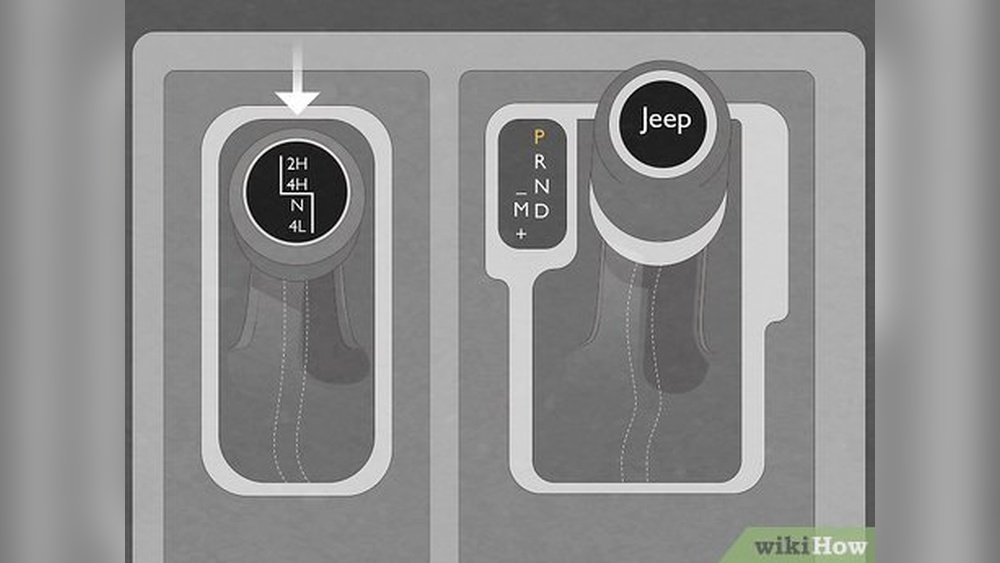
2. Shift To Neutral
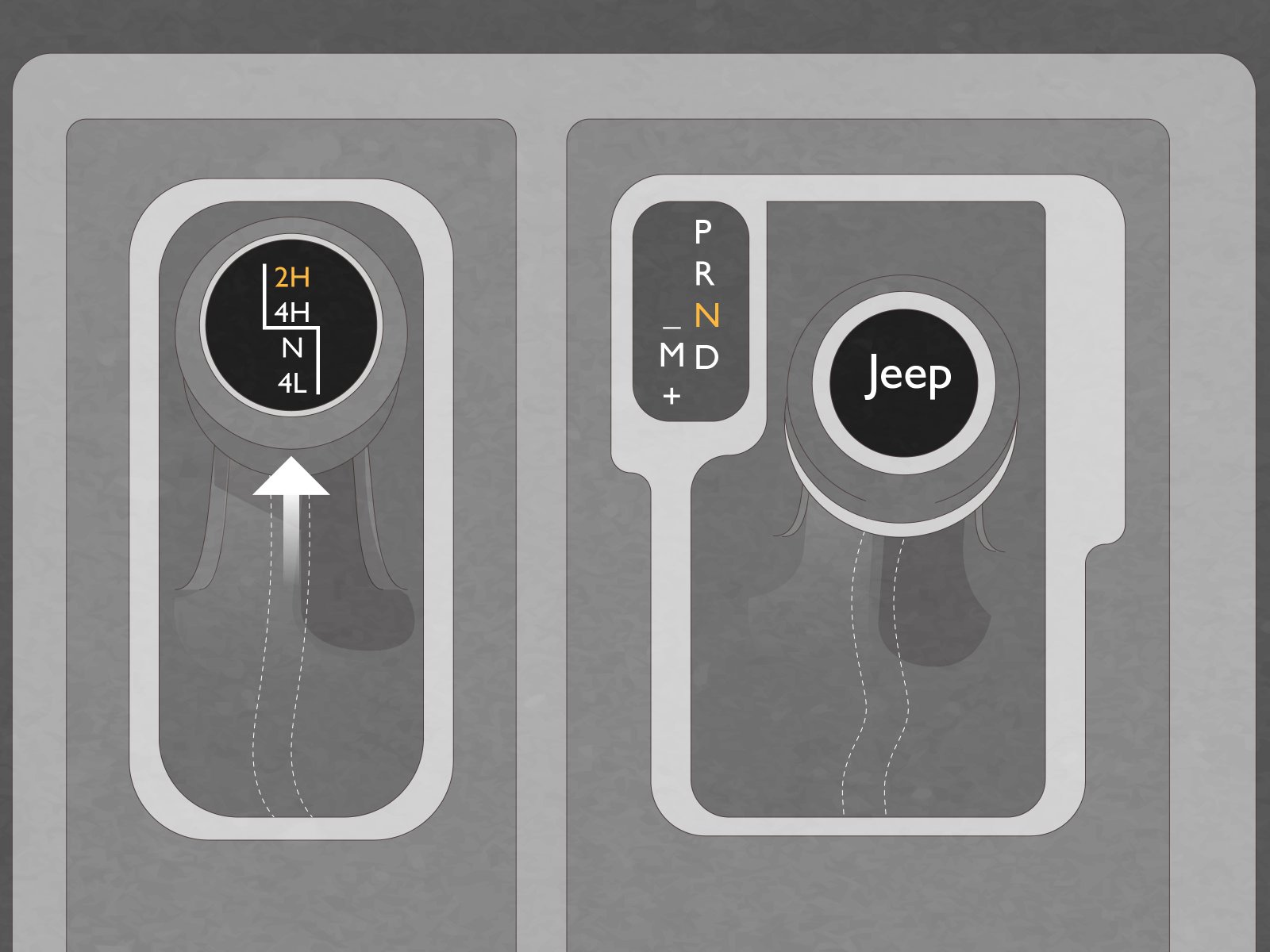
Put the main gear lever into Neutral (N). This step is crucial—many beginners skip it and struggle to shift.
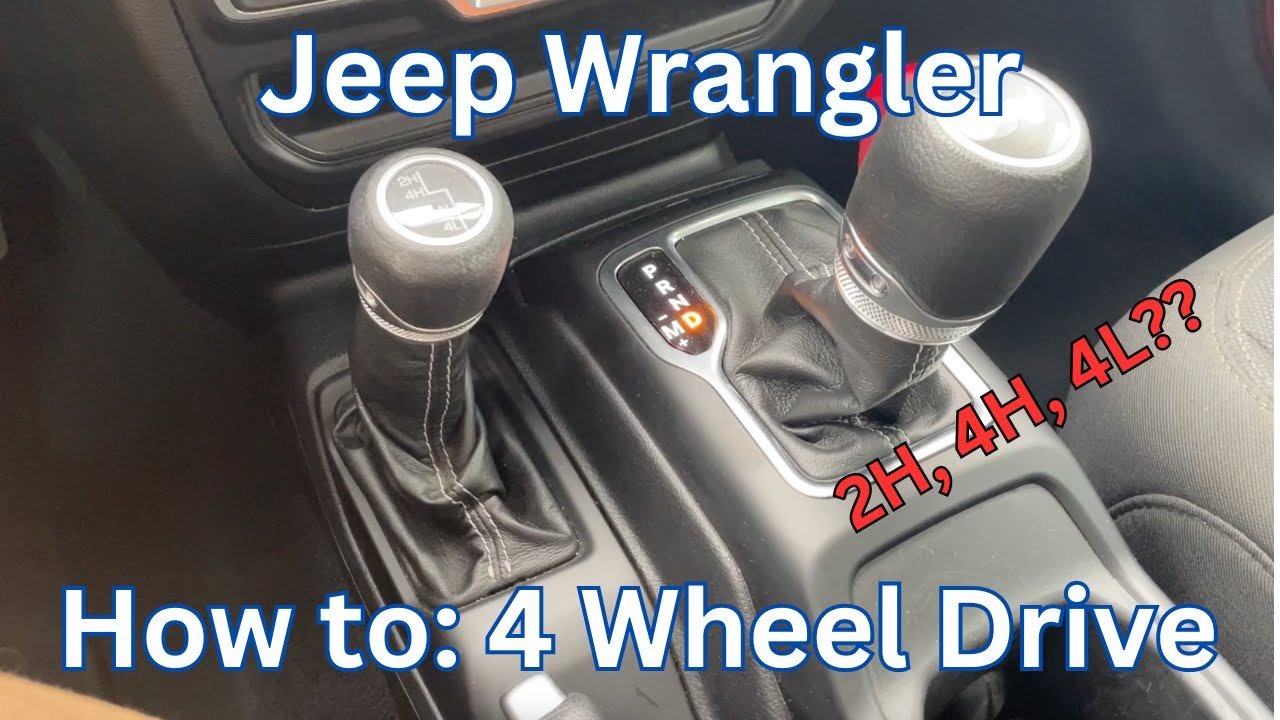
3. Find The Transfer Case Lever
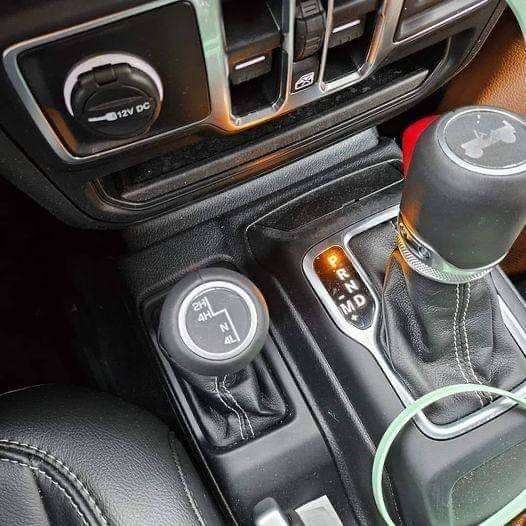
In most Jeeps, it’s a separate lever near the gear shift. Some newer models have a knob or button.
4. Move The Lever To 4l
Press down slightly and pull the lever from 4H to 4L. You might feel resistance; that’s normal.
5. Wait For Indicator Light
On modern Jeeps, a dashboard light shows when 4L is engaged. Older models may not have this feature.
6. Shift Back To Drive Or First Gear
Put your main gear lever into Drive (D) or First (1). You’re now ready for tough terrain.
| Step | Common Mistake | Quick Fix |
|---|---|---|
| Stop Completely | Trying to shift while moving | Always brake fully |
| Shift to Neutral | Leaving in Drive or Reverse | Double-check gear position |
| Move Lever to 4L | Forcing lever too hard | Use gentle pressure |
Tips For Using 4l Mode
Switching to 4L is only the start. Here are some smart tips for safe and effective driving:
- Go Slow: 4L is made for low speeds. Keep under 25 mph.
- Avoid Dry Pavement: Driving in 4L on normal roads stresses your Jeep’s drivetrain.
- Stay Alert: Listen for grinding or unusual sounds. If you hear them, stop and check.
- Use 4L for Descending: Four-Low helps with engine braking on steep hills.
- Practice Off-Road: Try shifting into 4L in a safe area before you hit the trail.
Beginners often forget to take their Jeep out of 4L after leaving rough terrain. This can cause unnecessary wear. Always shift back to 4H or 2H when you’re done.
Real-world Example: Jeep Wrangler
Let’s use the Jeep Wrangler as an example. This model is famous for its off-road ability. The process for putting it in 4L is:
- Stop the vehicle.
- Shift the main gear to Neutral.
- Move the transfer case lever from 4H to 4L.
- Wait for the 4L indicator on the dashboard.
- Put the main gear in Drive or First.
Some Wranglers have electronic transfer cases. With those, you press a button always follow the owner's manual for your model.
Comparison: Manual Vs Automatic Transfer Cases
Jeep models come with either manual or automatic transfer cases. Here’s how they differ:
| Type | Operation | Ease of Use | Reliability |
|---|---|---|---|
| Manual Lever | Pull lever | Simple, hands-on | Very reliable |
| Electronic Button | Press button | Easy, quick | Can fail if electronics malfunction |
Manual levers are less likely to break. Electronic systems are convenient but need working sensors.
Common Beginner Mistakes
Many new Jeep owners make the same errors when shifting to 4L:
- Skipping Neutral: Not putting the main gear in Neutral stops the shift from working.
- Shifting on the move: Trying to shift while driving damages the transfer case.
- Driving fast in 4L: Only drive slow; high speed risks your engine.
- Forgetting to return to 2H/4H: Using 4L on normal roads wears out parts.
If your Jeep doesn’t shift smoothly, check your owner’s manual or ask a mechanic.
When Not To Use 4l
4L is powerful, but not always needed. Avoid using it on:
- Dry highways
- Parking lots
- City streets
It’s meant for tough, slow situations. If you use it too often, you’ll notice higher fuel use and possible drivetrain issues.
Frequently Asked Questions
How Fast Can I Drive In 4l?
You should keep speeds below 25 mph in 4L. Going faster risks damaging the engine and transfer case.
Can I Shift Into 4l While Moving?
No. Always stop your Jeep and put the main gear in Neutral before shifting. Shifting while moving can harm the system.
Does 4l Work On All Jeep Models?
Most modern Jeeps have 4L, but some basic models may not. Always check your owner’s manual for details.
What If My Jeep Won’t Shift Into 4l?
Try stopping completely and shifting to Neutral. If it still won’t work, there may be a mechanical issue consult a mechanic or your dealer.
Should I Use 4l In Snow?
Yes, but only if the snow is deep or you need extra traction. For light snow or slippery roads, 4H is better.
Learning how to put your Jeep in 4L opens up new adventures. You’ll tackle mud, rocks, and hills with confidence. Always follow the steps, listen to your vehicle, and avoid common mistakes. For more details on Jeep transfer cases and off-roading, check the official Jeep Owner’s Manual. With good technique, your Jeep will last longer and get you through any tough trail.