Driving a Jeep is about adventure, but knowing how to use 4H (Four High) can make your journey safer and smoother, especially when roads get tricky. Many new Jeep owners wonder, "How do I put my Jeep in 4H?"
If you're asking this, you're not alone. This guide explains the process step-by-step, covers common mistakes, and helps you understand when and why to use 4H.
Whether you have a classic Wrangler or a modern Grand Cherokee, you’ll learn everything you need to confidently use 4H for off-road fun or slippery streets.
What Is 4h And Why Does It Matter?
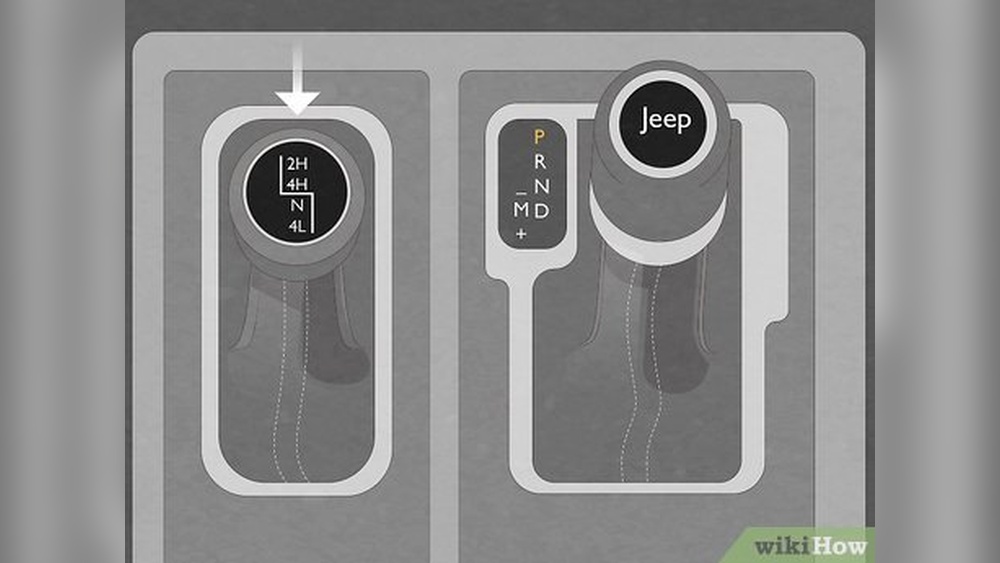
4H stands for Four-Wheel Drive High. When you shift your Jeep into 4H, power goes to all four wheels. This improves grip on muddy, snowy, or wet roads. Unlike 2H (Two-Wheel Drive High), 4H is designed for situations where you need extra traction but still want to drive at normal speeds.
Jeep owners use 4H for:
- Rainy highways
- Loose gravel
- Snow-covered roads
- Light off-roading
But it's not for every situation. 4H should not be used on dry pavement.
It can damage your Jeep's drivetrain. Always check your owner's manual for details about your specific model.
Types Of Jeep 4wd Systems
Jeep offers several 4WD systems. Knowing which one you have is important, because the process to shift into 4H can vary. Here’s a comparison of popular systems:
| Model | 4WD System | How to Engage 4H |
|---|---|---|
| Wrangler | Command-Trac | Manual lever |
| Grand Cherokee | Quadra-Trac | Electronic switch |
| Gladiator | Selec-Trac | Manual lever |
| Compass | Active Drive | Automatic (no user input) |
Some Jeeps use manual levers, while others have electronic switches. A few crossovers automatically engage 4H when needed. Always check your dashboard and owner’s guide.
Step-by-step: How To Put Jeep In 4h
Putting your Jeep in 4H is easy if you follow the right steps. Here’s how to do it safely:
1. Identify Your 4wd Controls
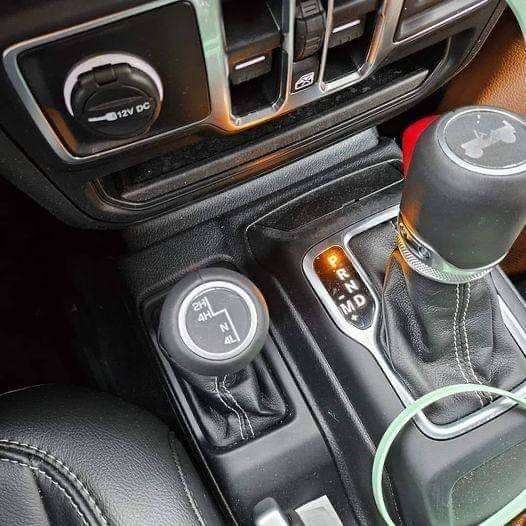
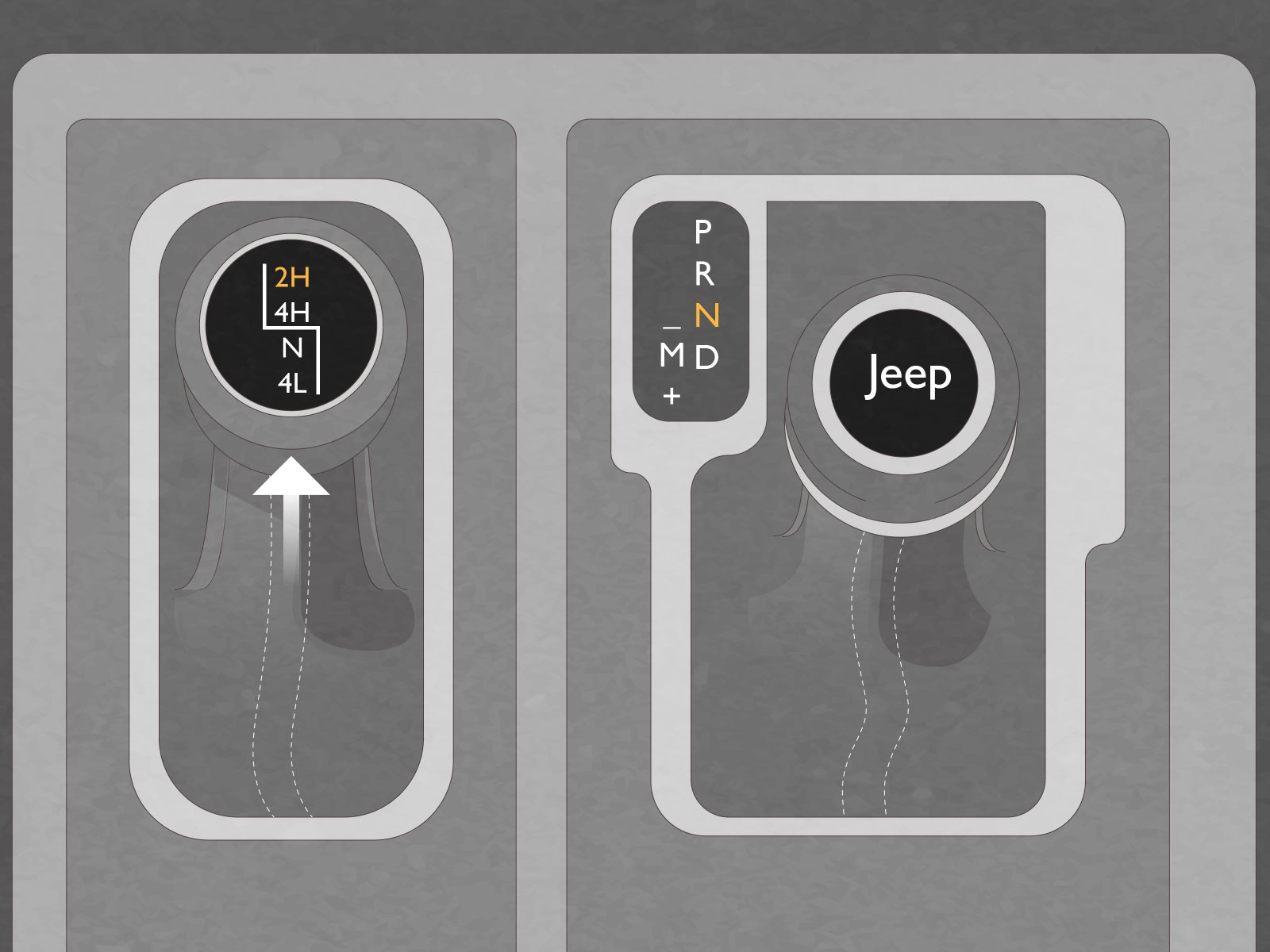
Find the 4WD lever or switch. In most Wranglers and Gladiators, it’s a lever near the gear shifter. In newer Grand Cherokees, look for a round dial or a button labeled “4WD” or “4H.”
2. Check Your Speed
You can usually shift into 4H while moving, but the recommended speed is below 55 mph. Slower is better for beginners.
3. Shift Into Neutral (optional)
Most models allow you to shift from 2H to 4H while in Drive. For smoother operation, especially in older Jeeps, shift into Neutral first.
4. Move The Lever Or Switch
- Manual lever: Pull the lever from 2H to 4H in one quick, firm motion.
- Electronic switch: Turn the dial or press the 4H button. Wait for the 4H indicator on the dashboard.
5. Confirm Engagement
Check your dashboard. A 4H light should turn on, showing you are now in four-wheel drive.
6. Resume Driving
Go back to Drive and continue. You’ll notice better traction.
Example: If you’re driving a Wrangler and hit a patch of icy road, slow down, shift into Neutral, pull the lever to 4H, wait for the light, and continue driving.
When Should You Use 4h?
Knowing when to use 4H is just as important as knowing how. Use 4H when:
- Roads are slippery or loose (rain, snow, gravel)
- You’re starting off-road but don’t need crawling speed
- You want extra control but still need to drive at higher speeds
Do not use 4H on dry pavement. It causes binding in the drivetrain and can lead to expensive repairs.
4h Vs 4l: What’s The Difference?
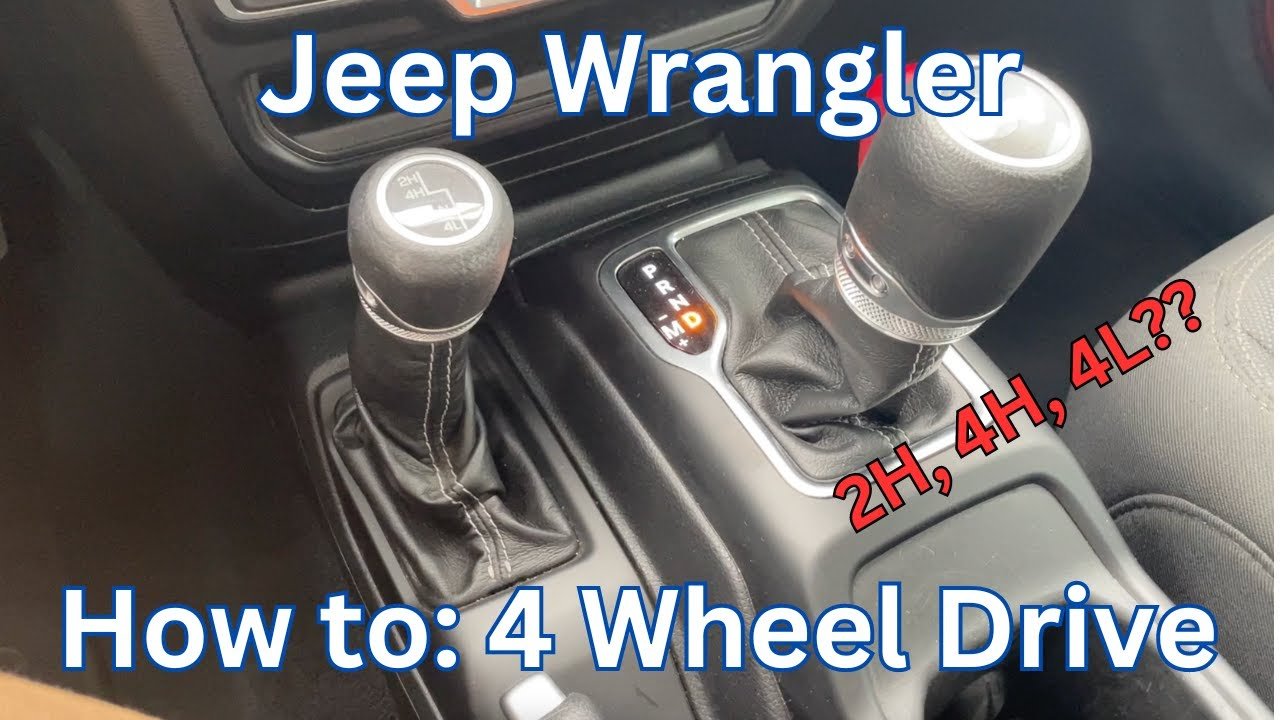
Beginners often confuse 4H and 4L (Four Low). Here’s a quick comparison:
| Mode | Use Case | Speed | Traction |
|---|---|---|---|
| 4H | Rain, snow, sand, light off-roading | Up to highway speeds | Medium |
| 4L | Deep mud, rocks, steep hills | Slow speeds only | Maximum |
4H is for fast, slippery driving. 4L is for tough terrain at slow speeds. Never use 4L on regular roads.
Common Mistakes When Using 4h
Many beginners make errors when shifting into 4H. Here are the most frequent mistakes:
- Using 4H on dry pavement: This damages your Jeep.
- Changing speed too quickly while shifting: Always shift smoothly.
- Not checking the indicator light: If the 4H light doesn’t come on, you’re not in four-wheel drive.
- Forgetting to shift back to 2H: After leaving slippery roads, switch back to 2H to avoid wear.
Avoid these mistakes for a safer drive and longer vehicle life.
Practical Tips For Using 4h
If you’re new to Jeeps, these tips will help:
- Shift into 4H before you reach difficult terrain. Don’t wait until you’re stuck.
- Practice shifting in a safe, empty parking lot.
- If you hear grinding or feel resistance, stop and check your manual.
- Keep your tires properly inflated. Low tires reduce traction.
- Use 4H only when needed. Using it too often increases fuel use.
Non-obvious insight: Sometimes, 4H doesn’t engage because the front wheels are turned. Straighten them before shifting.
Another tip: If your Jeep has an electronic system and the 4H light blinks, it may take a few seconds to fully engage. Be patient.
Pros And Cons Of Using 4h
Using 4H has clear benefits, but there are also downsides.
Pros
- Improved traction: Safer driving on slippery surfaces.
- Better control: Especially in bad weather.
- Confidence off-road: Helps you tackle mild trails.
Cons
- Higher fuel use: 4H uses more gas than 2H.
- Possible wear: Using 4H when not needed can damage parts.
- Not for dry roads: Causes binding and expensive repairs.
Always weigh the pros and cons before using 4H.
Cost Of Repairs From Misusing 4h
Using 4H on dry pavement can lead to repairs. Here’s a look at possible costs:
| Repair | Estimated Cost (USD) |
|---|---|
| Drivetrain damage | $1,000, $2,500 |
| Transfer case replacement | $1,200, $2,000 |
| Axle repair | $700, $1,500 |
Avoid these costs by using 4H only when needed.
How To Return To 2h
After using 4H, you need to switch back to 2H for normal driving. Here’s how:
- Slow down to below 55 mph.
- Shift into Neutral (optional).
- Move the lever or switch back to 2H.
- Wait for the 2H light on the dashboard.
- Resume driving.
Switching back is as easy as engaging 4H, but always check your dashboard.
Extra Advice For Modern Jeep Owners
Newer Jeeps often come with automatic 4WD systems. Some models, like the Compass, engage 4H when needed. You don’t have to do anything. If your Jeep has this feature, read your owner’s guide for details.
If you have a manual lever, practice shifting at slow speeds until you feel comfortable. For electronic switches, make sure your battery is healthy. Sometimes, low voltage can affect the 4WD system.
Jeep 4h System: Updated Facts And Stats
- Jeep Wrangler is the most popular model for off-roading, with over 200,000 units sold in 2023.
- 4H can improve grip by up to 40% in slippery conditions, according to Jeep engineers.
- Using 4H correctly can reduce accident risk in snow by up to 60%.
For more technical details, visit the official Jeep 4×4 page.
<!– wp:rank-math/faq-block {"questions":[{"id":"faq-question-c2e47d74a56f","title":"How Fast Can You Drive In 4h?","content":"You can drive up to highway speeds (usually 55 mph or less) in 4H. However, always follow your Jeep’s manual. Driving too fast in 4H can cause extra wear.
“,”visible”:true},{“id”:”faq-question-4af434d4d563″,”title”:”Can You Shift Into 4h While Moving?”,”content”:”Yes, most Jeeps allow you to shift into 4H while moving, as long as you are under 55 mph. Slow down if you are unsure.
“,”visible”:true},{“id”:”faq-question-a781fa04c881″,”title”:”What Happens If You Use 4h On Dry Pavement?”,”content”:”Using 4H on dry roads can cause drivetrain binding. This leads to expensive repairs like replacing the transfer case or axles. Only use 4H when roads are slippery.
“,”visible”:true},{“id”:”faq-question-a609abebef5d”,”title”:”How Do I Know If 4h Is Engaged?”,”content”:”A 4H light should appear on your dashboard. If it doesn’t, try shifting again. Listen for clicks or feel for resistance. Consult your manual if you have trouble.
“,”visible”:true},{“id”:”faq-question-bd12013f91d4″,”title”:”Is 4h The Same As All-wheel Drive?”,”content”:”No. 4H is part-time four-wheel drive, used when needed. All-wheel drive (AWD) works all the time and is usually automatic. Jeeps with AWD systems don’t need manual shifting.
“,”visible”:true}]} –>How Fast Can You Drive In 4h?
You can drive up to highway speeds (usually 55 mph or less) in 4H. However, always follow your Jeep’s manual. Driving too fast in 4H can cause extra wear.
Can You Shift Into 4h While Moving?
Yes, most Jeeps allow you to shift into 4H while moving, as long as you are under 55 mph. Slow down if you are unsure.
What Happens If You Use 4h On Dry Pavement?
Using 4H on dry roads can cause drivetrain binding. This leads to expensive repairs like replacing the transfer case or axles. Only use 4H when roads are slippery.
How Do I Know If 4h Is Engaged?
A 4H light should appear on your dashboard. If it doesn’t, try shifting again. Listen for clicks or feel for resistance. Consult your manual if you have trouble.
Is 4h The Same As All-wheel Drive?
No. 4H is part-time four-wheel drive, used when needed. All-wheel drive (AWD) works all the time and is usually automatic. Jeeps with AWD systems don’t need manual shifting.
Meta Title
How To Put Jeep In 4h: Step-by-step Guide For Beginners
Meta Description
Learn how to put your Jeep in 4H safely and easily. Discover step-by-step instructions, common mistakes, practical tips, and pros and cons. Perfect for beginners and new Jeep owners.
Putting your Jeep in 4H opens up a world of adventure and safety. Whether you’re facing snow, mud, or rain, knowing how and when to use 4H will keep your Jeep running smoothly. Remember, always use 4H responsibly, follow your manual, and enjoy the road ahead.