Getting the most out of your Jeep often means understanding how its 4×4 system works. Many drivers are unsure about when and how to use the “4 High” (4H) setting.
Using 4 High the right way gives you better traction on snow, mud, sand, or loose gravel. But if you use it wrong, you can damage your Jeep or lose control.
This guide breaks down exactly how to put your Jeep in 4 High, what each setting does, and how to avoid mistakes that even experienced drivers sometimes make.
Understanding Jeep’s 4×4 System
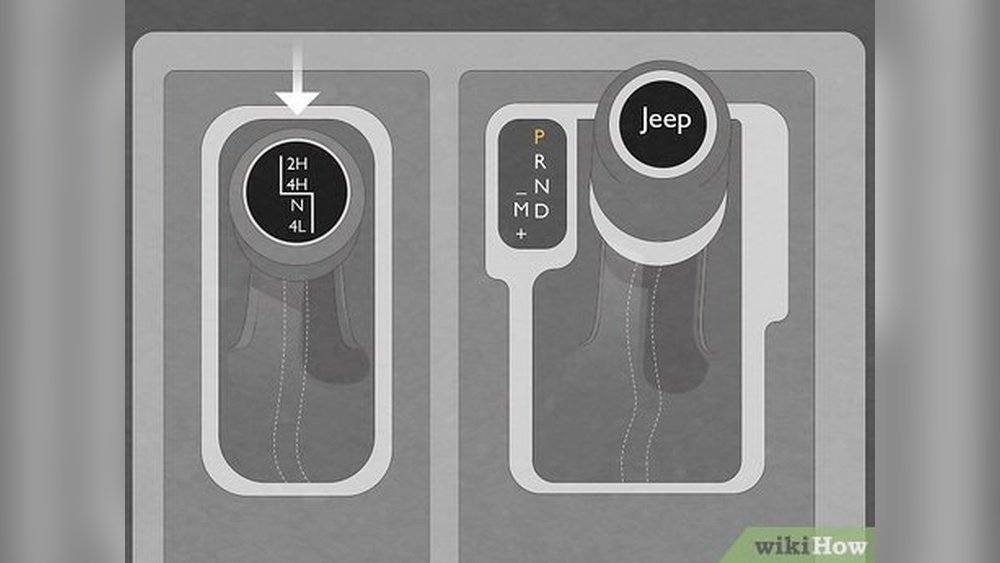
Before you shift into 4 High, it helps to know what your Jeep’s 4-wheel drive system actually does. Most Jeeps use a transfer case that lets you pick between 2H (two-wheel drive high), 4H (four-wheel drive high), Neutral, and 4L (four-wheel drive low). Each mode is designed for a specific purpose.
Here’s a quick overview:
| Mode | When to Use | Speed Range |
|---|---|---|
| 2H | Normal roads, dry pavement | Any speed |
| 4H | Snow, mud, sand, light off-road | Up to 55 mph |
| Neutral | Towing (flat tow) | 0 mph (not for driving) |
| 4L | Heavy off-road, steep climbs | Low speeds only (under 25 mph) |
4 High sends power to all four wheels, giving you better grip at normal road speeds. It’s important to know that 4H is not for dry pavement—it’s for slippery or loose surfaces. Using it on dry roads can harm your Jeep’s drivetrain.
Step-by-step: How To Put Jeep In 4 High
Many Jeep owners worry about damaging their vehicle or making a mistake. But if you follow these four clear steps, you’ll shift into 4 High safely and confidently.
1. Prepare Your Jeep
First, make sure you’re on a suitable surface. 4 High should only be used on slippery, loose, or off-road surfaces—like snow, mud, or sand. Never use it on dry, paved roads.
- Keep your speed below 55 mph.
- Remove your foot from the gas pedal for a moment. This makes shifting smoother.
2. Locate The 4wd Shifter
Most Jeeps have a manual lever or an electronic switch to change 4WD modes. The lever is usually next to the main gear shifter, marked with 2H, 4H, N, and 4L. Some newer Jeeps use a rotary dial or buttons.
- Check your owner’s manual if you’re unsure where the control is.
- Make sure you can see and reach the shifter comfortably.
3. Shift From 2h To 4h
Now, it’s time to actually shift into 4 High. Here’s how:
- For most Jeeps, you can shift from 2H to 4H while driving, as long as you’re moving straight and under 55 mph.
- Firmly move the lever or switch from 2H to 4H in one motion. You may feel a slight click.
- If you have an electronic switch, turn it to 4H and wait for the indicator light.
If you hear a soft clunk, that’s normal. It means the transfer case has engaged.
If shifting feels rough, try driving a bit slower or let off the gas.
4. Confirm 4 High Is Engaged
Look for a 4WD indicator light on your dashboard. It may say “4WD”, “4×4”, or “4H”. This tells you the system is active.
- Drive a short distance and listen for any odd noises. Everything should sound and feel normal.
- If the light blinks or doesn’t come on, shift back to 2H, then try again.
Here’s a comparison of what to expect:
| Sign | 4H Engaged | 4H Not Engaged |
|---|---|---|
| Indicator Light | Solid ON | Blinking or OFF |
| Vehicle Feel | Stable, more grip | No change, possible slipping |
| Noises | Soft click or clunk | Loud grinding or none |

When To Use 4 High
Knowing when to use 4H is just as important as knowing how. Use 4 High when you need better traction but still want to drive at normal speeds. Good examples include:
- Driving on snow-covered highways
- Crossing muddy trails
- Tackling sandy roads
- Climbing wet, grassy hills
Never use 4H on dry pavement. It can cause drivetrain binding, which damages your Jeep and makes turning difficult.
Common Mistakes To Avoid
Even experienced Jeep owners sometimes make these errors:
- Using 4H on dry roads: This strains the drivetrain and tires.
- Shifting at high speeds: Always shift below 55 mph.
- Not confirming engagement: Always check the indicator light and how the Jeep feels.
- Forgetting to shift back: Once you’re on normal roads, shift back to 2H to prevent wear.
One non-obvious tip: If your Jeep has automatic locking hubs, pause for a few seconds after shifting into 4H to let them engage fully. Rushing this step can lead to incomplete engagement and extra wear.

Tips For Smooth 4h Use
- Practice shifting in a safe area before you need it.
- Keep your steering straight during the shift.
- Don’t force the lever—if it resists, try rolling forward a bit.
- If you hear grinding or loud noises, stop and check the manual.
Another insight: On some older Jeeps, you may need to drive a few feet in reverse after shifting out of 4H. This helps unlock the hubs completely.
Advanced: Electronic Vs Manual Transfer Cases
Newer Jeeps often use electronic transfer cases with buttons or dials, while older models use a manual lever. Both work well, but electronic systems are easier for beginners. Manual levers give more control off-road but require a firmer hand.
Here’s a quick comparison:
| Feature | Electronic | Manual |
|---|---|---|
| Ease of Use | Very easy | Requires practice |
| Reliability | Good, but some electronics can fail | Very reliable, less to break |
| Feedback | Light, indicator only | Physical feel, more control |
For more on Jeep 4×4 systems, you can check the official Jeep 4×4 page.
Frequently Asked Questions
How Fast Can I Drive In 4 High?
You can drive up to 55 mph in 4H, but always check your owner’s manual for your Jeep’s exact limit.
Can I Shift Into 4 High While Moving?
Yes, most Jeeps allow you to shift into 4H while driving at speeds under 55 mph, as long as the wheels are pointing straight.
What Surfaces Require 4 High?
Use 4H on snow, mud, sand, gravel, or wet grass—any slippery or loose surface. Avoid dry pavement.
What Happens If I Use 4 High On Dry Roads?
It can cause drivetrain binding, make steering hard, and damage your Jeep’s components over time.
Is 4 High The Same As All-wheel Drive?
No. 4 High is part of a selectable 4WD system, not always active. All-wheel drive is always on and adjusts power automatically.
Mastering the use of 4 High helps you stay safe and get the best performance from your Jeep when conditions get tough. Practice these steps in a safe place so you’re ready when you need 4×4 the most.