If you own a Jeep Grand Cherokee, knowing how to switch it into 4WD can make all the difference when you face rough roads, slippery conditions, or off-road adventures. You want your vehicle to perform at its best, giving you the grip and control you need exactly when you need it.
But if you’re unsure how to engage 4WD or which settings to choose, this guide is made just for you.
By the time you finish reading, you’ll feel confident handling your Jeep’s four-wheel-drive system, ready to tackle anything from muddy trails to snowy streets with ease.
Let’s get your Grand Cherokee set up for the drive ahead.
Jeep Grand Cherokee 4wd Basics
The Jeep Grand Cherokee offers a strong 4WD system built for different driving conditions. Understanding its basics helps you use 4WD properly. This knowledge protects your vehicle and improves your driving experience.
4WD improves traction by sending power to all four wheels. This feature helps on slippery roads and rough terrain. The Grand Cherokee has several 4WD modes tailored for varying surfaces and needs.
Types Of 4wd Systems
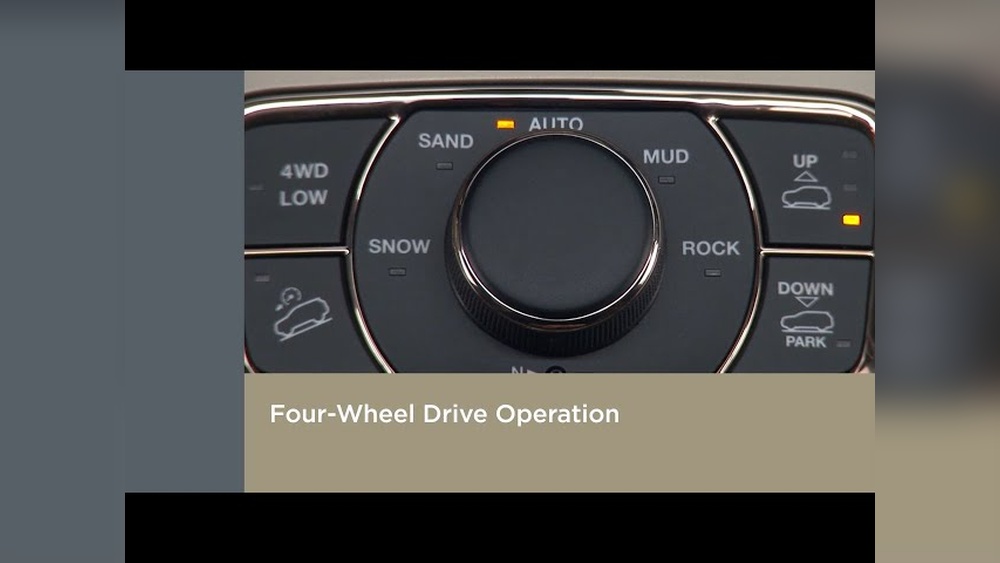
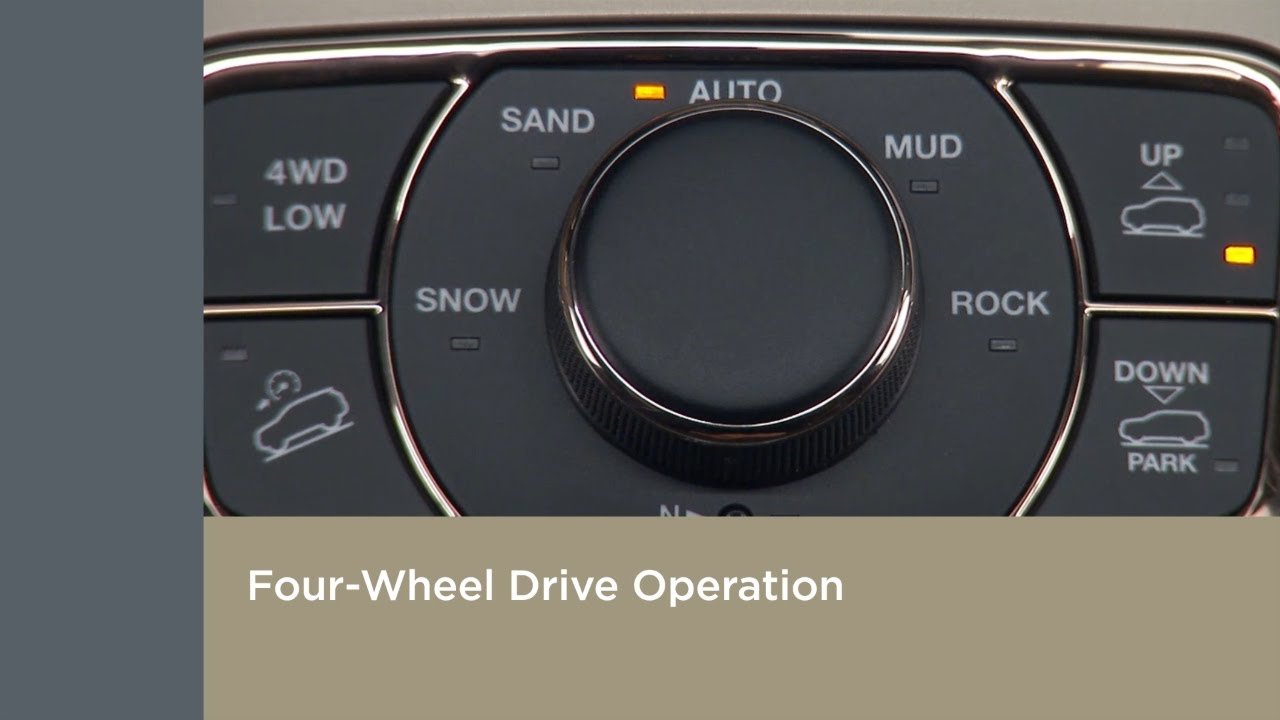
The Grand Cherokee uses multiple 4WD systems depending on the model and year. The most common is the Select-Terrain® system. It lets you choose modes like Auto, Snow, Sand/Mud, and Rock.
Auto mode works well for daily driving. It adjusts power delivery automatically to maintain traction. Snow mode improves grip on icy or snowy roads.
Sand/Mud mode allows controlled wheel slip for loose surfaces. Rock mode is for slow crawling over rocky trails. Some models have full-time 4WD, while others use part-time systems.
When To Use 4wd
Engage 4WD when road conditions reduce tire traction. Use Snow mode on icy or snowy streets. Sand/Mud mode suits loose, soft ground like dirt or gravel.
Rock mode is best for off-road trails with rocks or uneven surfaces. Avoid using 4WD on dry, paved roads. Doing so may cause unnecessary wear on the drivetrain.
Shift to Neutral (N) before engaging 4WD modes. Wait for the indicator light to show the system is active. Then shift back to Drive (D) to continue driving safely.
Always check your Jeep Owner’s Manual for your specific model’s instructions.
Select-terrain System Modes
The Jeep Grand Cherokee’s Select-Terrain System offers multiple modes to optimize traction. Each mode adjusts the vehicle’s settings for different driving surfaces. This feature helps improve control and safety without manual adjustments. Turning the mode dial selects the best option for current road or trail conditions.
Auto Mode
Auto Mode works well for everyday driving on paved roads. It automatically senses road conditions and adjusts power to the wheels. This mode provides smooth handling and fuel efficiency. The system shifts torque as needed, giving a balanced drive.
Snow Mode
Snow Mode helps maintain traction on icy or snowy roads. It reduces wheel spin and manages engine power carefully. The mode increases stability by controlling braking and throttle input. Use this mode to drive safely through winter weather.
Sand/mud Mode
Sand/Mud Mode is ideal for soft or loose surfaces. It allows some wheel slip to keep momentum in deep sand or mud. The throttle response adjusts to prevent getting stuck. This mode improves traction and helps you move through tough terrain.
Sport Mode
Sport Mode sharpens throttle response for more dynamic driving. It enhances handling on smooth roads and winding paths. This mode tightens steering and boosts engine power for quicker acceleration. Use Sport Mode for a more engaging drive.
Steps To Engage 4wd
Engaging the 4WD system on your Jeep Grand Cherokee improves traction and control. Follow clear steps to switch between 4WD modes safely. Proper use of 4WD helps you navigate tough terrain with confidence. Always check your dashboard for confirmation lights during the process.
Switching To 4wd High
To switch to 4WD High, keep your vehicle moving slowly or stopped. Turn the 4WD selector dial to the “4WD High” position. The system will engage automatically, sending power to all wheels. Watch the dashboard for the 4WD High indicator light. This mode works best on slippery roads or light off-road conditions.
Activating 4wd Low
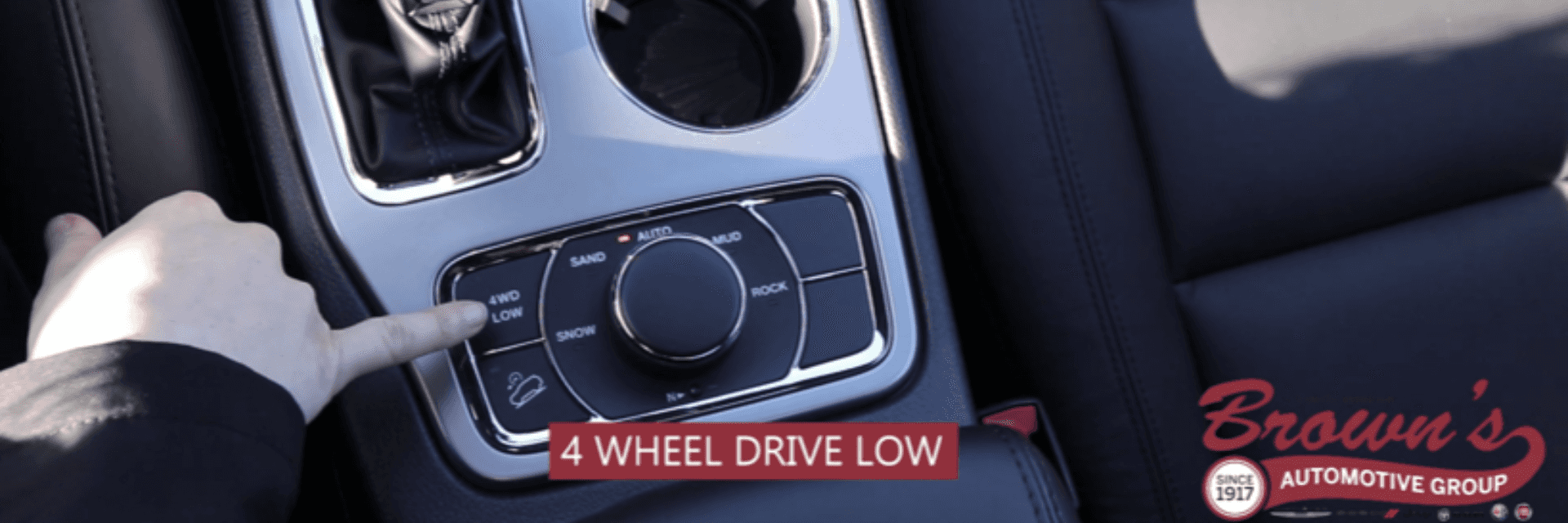
Activate 4WD Low for steep, rough, or very slippery terrain. First, bring your vehicle to a complete stop. Shift the transmission into Neutral (N). Turn the 4WD selector dial to “4WD Low.” Wait for the indicator light to show the system is active. Shift back into Drive (D) and proceed slowly. This mode gives extra torque and control.
Using Neutral For 4wd Engagement
Neutral is essential for engaging 4WD Low safely. Always shift into Neutral before changing to 4WD Low. This prevents damage to the drivetrain and ensures smooth engagement. After the 4WD Low light is solid, shift back to Drive. Using Neutral properly extends the life of your Jeep’s 4WD system.
Indicators And Dashboard Lights
The indicators and dashboard lights on your Jeep Grand Cherokee provide essential information about the vehicle’s status. These lights help you understand if the 4WD system is active and working properly. Paying attention to them ensures safe and effective use of the 4WD mode.
Each light has a specific meaning. Knowing what they indicate can prevent damage and improve your driving experience. The dashboard will show different symbols depending on your vehicle’s settings and conditions.
What The Lights Mean
The 4WD indicator light usually looks like a small icon showing the wheels or a vehicle. When this light turns on, it means the 4WD system is engaged. A flashing light means the system is trying to activate but has not fully engaged yet.
Other important lights include the traction control and differential lock indicators. These lights show if additional features related to 4WD are active. If you see a warning light, it could mean a problem with the system. In this case, check your owner’s manual or get your vehicle inspected.
Confirming 4wd Activation
To confirm 4WD activation, shift your Grand Cherokee into Neutral first. Then, turn the 4WD selector dial to the desired mode, such as 4WD Auto or 4WD Lock. Watch the dashboard lights carefully.
The 4WD indicator light will flash briefly. Once it stays solid, the system is fully engaged. After this, shift the transmission back into Drive and start moving. The solid light confirms your Jeep is ready for rough or slippery terrain.
Off-road Tips For 4wd Use
Using 4WD on your Jeep Grand Cherokee improves traction on rough paths. It helps your vehicle tackle mud, sand, and rocky trails. To get the best from 4WD, follow some smart off-road tips. These tips keep you safe and your ride smooth.
Maintaining Momentum In Tough Terrain
Keep a steady speed to avoid getting stuck. Slow down before obstacles and speed up gently to cross them. Avoid sudden stops or sharp turns. Let the tires roll over rocks and mud without losing power. Momentum helps the Jeep climb hills and cross soft ground easily.
Adjusting Driving Style
Drive smoothly and avoid jerky movements. Use low gears for better control on steep or slippery surfaces. Steer gently and keep both hands on the wheel. Watch the terrain and pick the best path with firm ground. Use 4WD modes like Sand/Mud or Snow for different surfaces. Adjust your speed to match the conditions.
Safety Precautions
Check your tires and fluids before heading off-road. Use seat belts and keep windows closed in dusty areas. Avoid crossing deep water or unstable ground. Carry recovery gear like a tow strap and shovel. Let someone know your route and expected return time. Drive with caution and respect nature’s limits.
Troubleshooting 4wd Issues
Troubleshooting 4WD issues in your Jeep Grand Cherokee can save time and prevent damage. Understanding common problems helps you identify what needs fixing. Sometimes, problems are simple and easy to solve. Other times, professional help is needed to avoid costly repairs. This guide explains common 4WD problems and when to seek expert assistance.
Common Problems
The 4WD system may fail to engage or disengage. This can happen due to a faulty transfer case or worn-out components. Another issue is the 4WD indicator light not turning on, which could mean a sensor or electrical problem. Stuck or noisy hubs can also cause 4WD to malfunction. Dirt and debris buildup in the system might block engagement.
Sometimes, the vehicle may feel unstable or pull to one side when 4WD is active. This often means uneven tire pressure or worn tires. Low fluid levels in the transfer case or differential can lead to poor 4WD performance. Regular checks prevent these issues and keep your system working smoothly.
When To Seek Professional Help
Professional help is essential if the 4WD system won’t engage after following the correct steps. Persistent warning lights on the dashboard also require expert diagnosis. Strange noises from the drivetrain or excessive vibration indicate serious problems. Electrical faults in the 4WD controls need specialized tools and knowledge to fix.
Do not ignore slipping gears or difficulty shifting between 2WD and 4WD modes. These signs point to internal damage that can worsen quickly. A mechanic can perform a thorough inspection and repair or replace faulty parts. Regular maintenance by a professional keeps your Jeep Grand Cherokee’s 4WD reliable and safe.
Consulting The Owner’s Manual
Consulting the owner’s manual is the first step to safely put your Jeep Grand Cherokee in 4WD. The manual offers clear instructions tailored to your vehicle model. It helps you understand the exact procedure and any precautions you need to take.
Each Jeep Grand Cherokee model may have different controls for engaging 4WD. The owner’s manual explains these differences and guides you through the process. It ensures you use the right method for your specific vehicle, preventing damage and improving performance.
Trim-specific Features
Your Jeep Grand Cherokee’s 4WD system varies by trim level. Some trims have a simple dial to switch between 2WD and 4WD modes. Others offer advanced systems like Quadra-Trac or Quadra-Drive, with automatic terrain sensing.
The owner’s manual details these features for your trim. It explains how to select modes like Auto, Snow, Sand/Mud, or Rock. Using the right mode improves traction and safety on different surfaces.
Additional Resources
The owner’s manual often includes diagrams and troubleshooting tips. It may also guide you to video tutorials or official Jeep websites. These resources provide extra help if you face difficulties with the 4WD system.
Keep the manual handy in your vehicle or download a digital copy. This way, you can quickly access information whenever needed. Understanding your Jeep’s 4WD system fully enhances your driving experience and safety.
<!– wp:rank-math/faq-block {"questions":[{"id":"faq-question-ce91cd11d497","title":"How To Turn On Jeep Grand Cherokee 4wd?","content":"
Shift the transmission to Neutral (N). Turn the 4WD mode dial near the center console to the desired setting. Wait for the indicator light to stay solid, then shift back to Drive (D).
“,”visible”:true},{“id”:”faq-question-67f28efd76d2″,”title”:”Can You Switch To 4wd While Driving A Jeep Grand Cherokee?”,”content”:”Yes, you can switch to 4WD while driving a Jeep Grand Cherokee. Shift to Neutral, wait for the indicator light, then shift back to Drive. Always consult your owner’s manual for specific instructions.
“,”visible”:true},{“id”:”faq-question-07de06c1d4bd”,”title”:”Is A Jeep Grand Cherokee 4×4 Always In 4wd?”,”content”:”The Jeep Grand Cherokee 4×4 is not always in 4WD. It uses selectable modes to switch between 2WD and 4WD as needed. The system adapts to road conditions for better traction and control.
“,”visible”:true},{“id”:”faq-question-51ced66bbc94″,”title”:”How Do I Turn On 4×4 On A Jeep?”,”content”:”Shift your Jeep’s transmission to Neutral (N). Turn the 4×4 selector dial to the desired mode. Wait for the indicator light to stay solid, then shift back to Drive (D). Check your Jeep’s manual for specific instructions.
“,”visible”:true}]} –>How To Turn On Jeep Grand Cherokee 4wd?
Shift the transmission to Neutral (N). Turn the 4WD mode dial near the center console to the desired setting. Wait for the indicator light to stay solid, then shift back to Drive (D).
Can You Switch To 4wd While Driving A Jeep Grand Cherokee?
Yes, you can switch to 4WD while driving a Jeep Grand Cherokee. Shift to Neutral, wait for the indicator light, then shift back to Drive. Always consult your owner’s manual for specific instructions.
Is A Jeep Grand Cherokee 4×4 Always In 4wd?
The Jeep Grand Cherokee 4×4 is not always in 4WD. It uses selectable modes to switch between 2WD and 4WD as needed. The system adapts to road conditions for better traction and control.
How Do I Turn On 4×4 On A Jeep?
Shift your Jeep’s transmission to Neutral (N). Turn the 4×4 selector dial to the desired mode. Wait for the indicator light to stay solid, then shift back to Drive (D). Check your Jeep’s manual for specific instructions.
Conclusion
Engaging 4WD in your Jeep Grand Cherokee enhances control on tough terrains. Follow simple steps: shift to Neutral, wait for the light, then shift to Drive.
Use the dial to select the right mode for your conditions. Always check your owner’s manual for model-specific instructions.
Practice these steps to drive confidently and safely in 4WD. Your Jeep is ready to handle mud, snow, or sand with ease.
Stay aware of road conditions and adjust settings as needed. Enjoy the improved traction and stability that 4WD provides on rough paths.