If you drive a Jeep, you know how important tire pressure is for safety and performance. Many Jeep owners love off-roading, but even if you stick to city roads, having the right air pressure in your tires can improve fuel efficiency, tire life, and handling.
Unfortunately, putting air in Jeep tires isn’t always as simple as it seems. This guide will walk you through each step, explain common mistakes, and help you get the job done confidently.
Why Correct Tire Pressure Matters
Tire pressure affects more than just comfort. If your Jeep’s tires are underinflated, you use more fuel and wear out your tires faster. Overinflated tires, on the other hand, can lead to reduced traction and a harsher ride. According to the National Highway Traffic Safety Administration, proper tire inflation can improve gas mileage by up to 3%. That might not sound like much, but over a year, it adds up.
Here’s a quick look at the effects of different tire pressures:
| Pressure | Effect on Handling | Effect on Tire Life |
|---|---|---|
| Underinflated | Poor grip, less control | Wears out edges faster |
| Overinflated | Less comfort, less grip | Wears out center faster |
| Correct | Best grip and safety | Even wear, longer life |
What You Need Before You Start
Before you put air in your Jeep tires, gather these items:
- Tire pressure gauge (digital or analog)
- Air compressor (gas station or portable)
- Owner’s manual for correct PSI (pounds per square inch)
- Flashlight if you’re working at night
Many new Jeeps also have a Tire Pressure Monitoring System (TPMS), but you should still check with a manual gauge for accuracy.
Step-by-step: How To Put Air In Jeep Tires
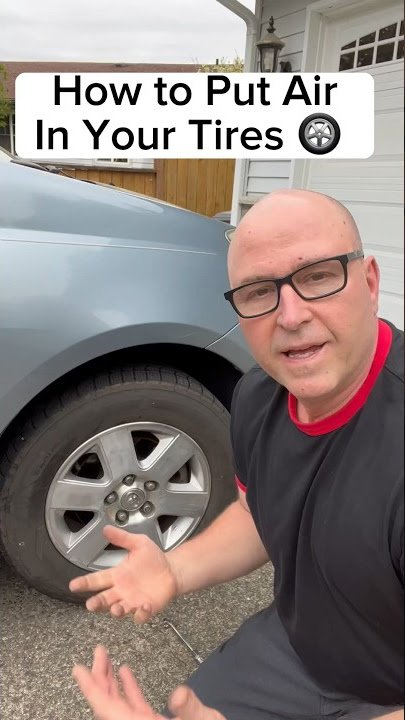
Filling your Jeep’s tires doesn’t take long, but doing it right makes a difference.
- Find the recommended PSI. Look in your Jeep’s owner’s manual or inside the driver’s door jamb. Most Jeeps recommend 35 PSI for standard tires, but always check your specific model.
- Check tire pressure when tires are cold. This means before you’ve driven more than a mile or after the car has sat for three hours. Warm tires give a higher reading.
- Remove the valve cap. Unscrew the small cap on the tire’s air valve and keep it safe.
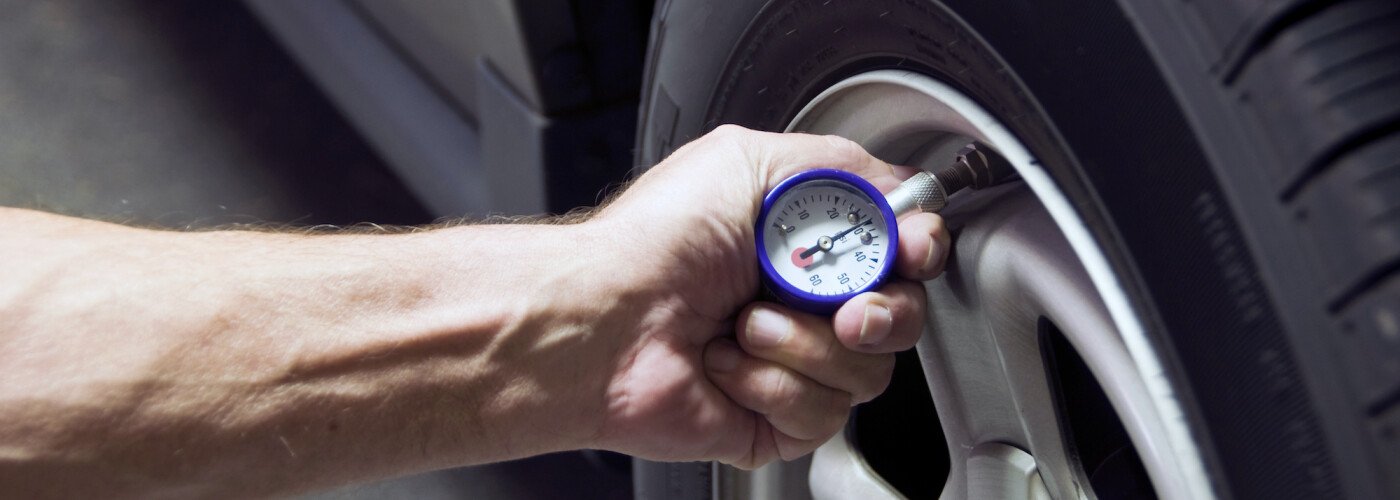
- Press the gauge onto the valve. You’ll hear a brief hiss. Read the pressure.
- Attach the air compressor. Push the nozzle onto the valve stem. If you’re at a gas station, many pumps have a built-in gauge.
- Add air in short bursts. Fill for a few seconds, then check the gauge again. Repeat until you reach the recommended PSI.
- Replace the valve cap. Don’t forget this step—it keeps dirt and water out of the valve.
Here’s a quick reference for average Jeep tire pressures:
| Jeep Model | Recommended PSI (Stock Tires) |
|---|---|
| Wrangler JL | 35 PSI |
| Grand Cherokee | 36 PSI |
| Gladiator | 37 PSI |
Tips For Off-road And Larger Tires
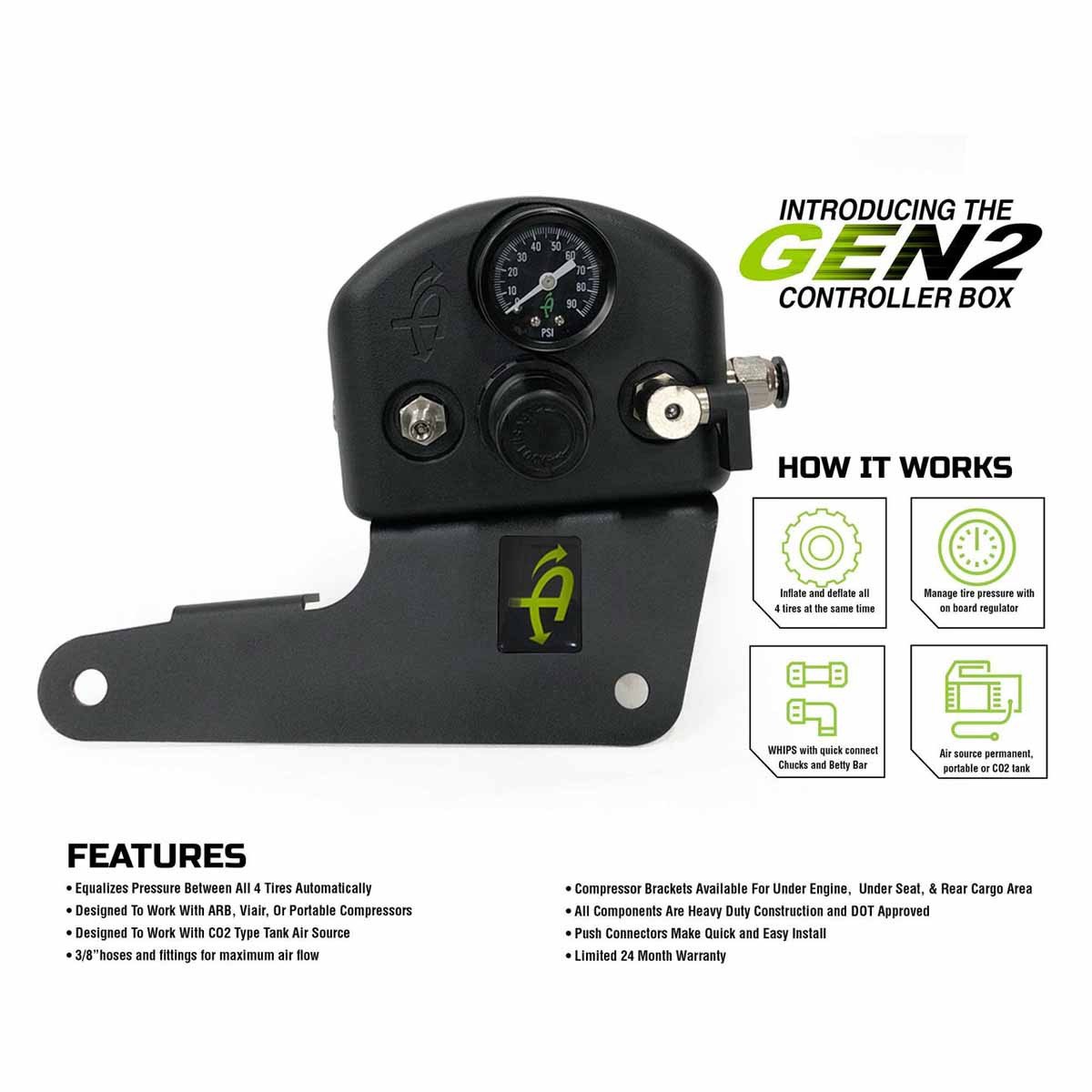
Jeep drivers often air down tires for off-roading. Lower pressure improves traction on sand or rocks but isn’t safe for highways. Always reinflate before returning to pavement. Bigger, aftermarket tires may also need different pressures. For example, a 35-inch mud tire might use only 28 PSI on-road.
If you’re using your Jeep for both street and trail, consider a portable air compressor. It lets you air down and back up wherever you go.
Common Mistakes To Avoid
Many Jeep owners make these errors:
- Forgetting to check all four tires. Tire pressure can vary, so always check each one.
- Trusting only the TPMS. These systems can be off by 2-3 PSI.
- Not adjusting for temperature changes. Cold weather drops tire pressure; hot weather raises it.
- Using the wrong PSI for aftermarket tires. Larger or smaller tires require different pressure—don’t just use factory specs.
- Overfilling quickly. Adding too much air too fast can damage the tire’s internal structure.
Here’s a simple comparison of air sources:
| Air Source | Pros | Cons |
|---|---|---|
| Gas Station Pump | Convenient, usually free | Busy, sometimes inaccurate |
| Portable Compressor | Always available, accurate | Slower, costs extra |
| Bicycle Pump | Cheap, no power needed | Very slow, not for big tires |
Non-obvious Tips
Many beginners don’t realize that altitude affects tire pressure. If you fill your tires in the mountains and drive to sea level, your pressure goes up! Also, always carry a spare valve cap—losing one is easy, and dirt in the valve can cause slow leaks.
Another overlooked detail: If you rotate your Jeep’s tires, re-check the pressure. Sometimes, tires filled last month end up with different PSI after a rotation.
When To Seek Professional Help
If you notice your tires losing air quickly, even after filling, there may be a puncture or valve problem. Don’t just keep refilling—get the tire checked. Likewise, if you hear a hissing sound after filling, double-check the valve is tight.
Sometimes, Jeeps with larger tires or beadlock wheels need special care. In these cases, a tire shop can help balance and inflate them correctly.
Frequently Asked Questions
How Often Should I Check My Jeep Tire Pressure?
Check at least once a month and before long trips. Changes in weather or heavy loads can affect pressure.
What Is The Best Psi For Off-roading?
For most Jeeps, 15-18 PSI works well on sand or rocks. Always reinflate to road PSI before highway driving.
Can I Use A Regular Bike Pump For Jeep Tires?
It’s possible but not practical. Jeep tires are much larger, and a bike pump will take a long time.
Why Does My Tpms Warning Stay On After Filling My Tires?
Sometimes, the system needs to reset. Drive for a few miles.
If the light stays on, check for a slow leak or sensor issue.
Where Can I Find More Information About Jeep Tire Care?
You can visit the Tire Rack Tire Tech page for more details and expert advice.
Keeping your Jeep’s tires properly inflated is easy with the right tools and knowledge. Not only does it make your ride safer, but it also saves money in the long run.
With these tips, you’ll be ready for the road or the trail every time you turn the key.