Getting your Jeep Wrangler into neutral might sound simple, but there are important steps and details that many owners miss. Whether you need to tow your Jeep, perform maintenance, or handle an emergency situation, knowing how to properly shift to neutral can save your transmission and reduce stress.
This guide will walk you through the process for both automatic and manual Jeep Wranglers, explain when and why neutral matters, and help you avoid common mistakes.
Why Putting Your Jeep Wrangler In Neutral Matters
Neutral is more than just a “middle” gear. For the Jeep Wrangler, especially with its 4×4 system, neutral can disengage the wheels from the drivetrain. This is critical for:
- Towing: Prevents transmission damage by allowing wheels to turn freely.
- Winching or Recovery: Lets the vehicle roll without engine power.
- Maintenance: Needed for some service tasks.
Neglecting the correct process can lead to expensive repairs. For example, towing a Wrangler with the transmission in park or gear can damage the transfer case or transmission.
Understanding Your Jeep Wrangler’s Transmission And Transfer Case
The Wrangler’s drivetrain is unique. Most models have both a transmission shifter (automatic or manual) and a transfer case lever. The transfer case controls 2WD, 4WD High, 4WD Low, and Neutral (N).
Here’s a quick comparison of key controls:
| Component | Function | Located |
|---|---|---|
| Transmission Shifter | Selects drive, reverse, park, or neutral (automatic/manual) | Center console |
| Transfer Case Lever/Knob | Selects 2H, 4H, 4L, or N (neutral for drivetrain) | Beside transmission shifter |
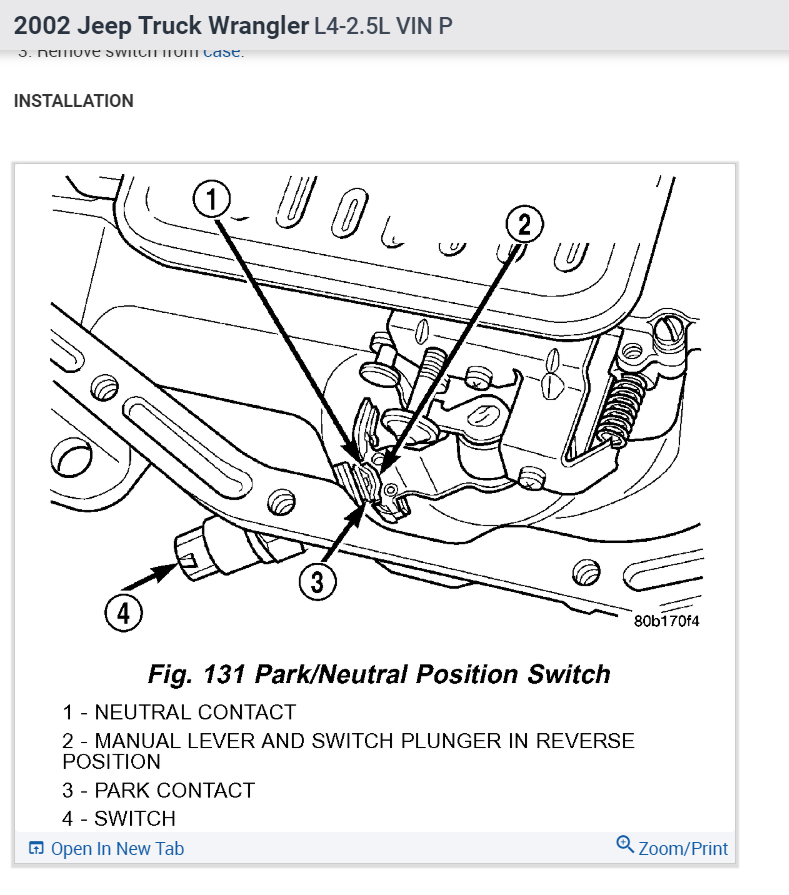
Many beginners confuse the transmission’s neutral with the transfer case’s neutral. For safe flat towing, you must use the transfer case neutral—not just the gearshift.
Step-by-step: How To Put A Jeep Wrangler In Neutral
The process depends on your Jeep’s transmission type and model year. Here’s a breakdown for the most common situations.
For Automatic Transmission (most Models 2007–present)
1. Start The Engine
Press the brake and start the Jeep. The vehicle should be on flat ground.
2. Shift Transmission To Neutral
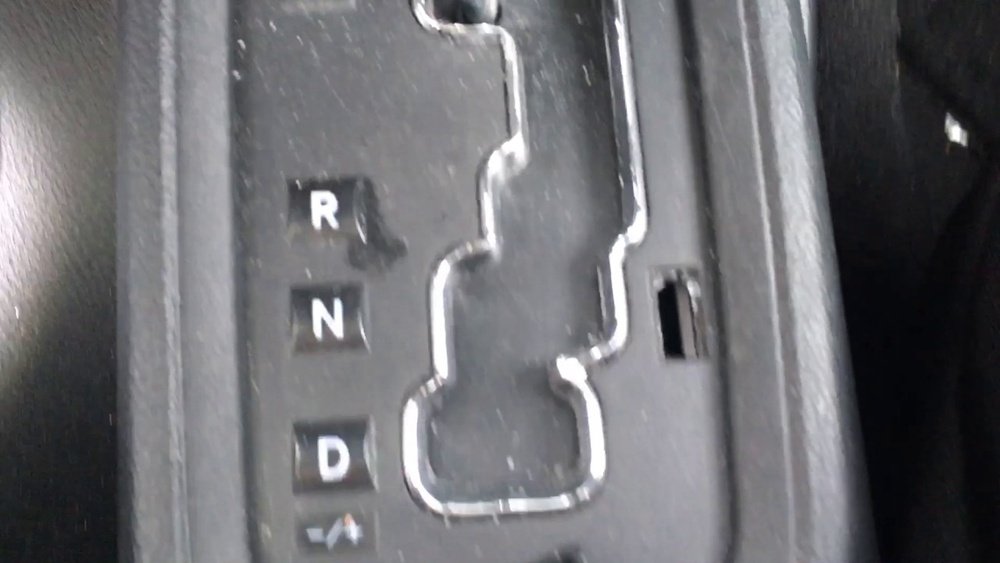
Move the gearshift to the N (neutral) position.
3. Set Parking Brake
Always engage the parking brake for safety.
4. Shift Transfer Case To Neutral
While holding the brake, move the transfer case lever from 2H/4H into Neutral (N). This may require a firm pull or push.
5. Confirm Neutral Position
The Jeep should roll freely when you release the brake (if on flat ground).
6. Turn Off The Engine (if Needed)
For towing, you may now turn off the ignition and unlock the steering if required.
For Manual Transmission
1. Depress Clutch And Brake
Start the Jeep with the clutch and brake pressed.
2. Move Transmission To Neutral
Place the gearshift in the neutral center position.
3. Engage Parking Brake
Set the parking brake before working the transfer case.
4. Shift Transfer Case To Neutral
With the clutch still pressed, move the transfer case lever to Neutral.
5. Release Clutch And Brake
The Jeep should not move unless on a slope.
Quick Reference: Transfer Case Positions
| Position | Use Case | Wheels Engaged? |
|---|---|---|
| 2H | Normal driving | Rear only |
| 4H | Snow/light off-road | All wheels |
| 4L | Steep hills/off-road | All wheels (low speed) |
| N | Towing or free rolling | None (disengaged) |
Special Considerations By Model Year
Not all Wranglers are the same. Here’s a summary of what changes by generation:
| Model Years | Transfer Case Type | Neutral Process |
|---|---|---|
| 1997-2006 (TJ) | NV231/NV241 | Similar steps but lever may feel stiffer |
| 2007-2018 (JK) | NSG370, 42RLE, etc. | Electronic lock on transfer case for some trims |
| 2018-Present (JL/JLU) | Rock-Trac, Command-Trac | Electronic/lever, follow manual closely |
Always consult your owner’s manual for details on your exact year and model. Some recent Wranglers may have electronic transfer case switches instead of levers.
Common Mistakes To Avoid
Many people make errors that can lead to breakdowns or unsafe situations:
- Confusing transmission and transfer case neutral: For flat towing, always use the transfer case neutral.
- Forgetting the parking brake: Your Jeep can roll unexpectedly.
- Shifting without stopping: Always stop completely before moving the transfer case lever.
- Not checking owner’s manual: Some trims have special requirements.
- Ignoring dashboard lights: If “Service 4WD” or other warnings appear, stop and troubleshoot.
A non-obvious tip: if you feel resistance when moving the transfer case lever, lightly rock the Jeep back and forth. This can help gears align, making the shift smoother.
When Should You Put Your Jeep Wrangler In Neutral?
You don’t need neutral for regular driving. Here are the main situations where it’s required:
- Flat towing behind an RV
- Winching or recovery
- Maintenance such as brake servicing or rotating tires
If you’re ever unsure, refer to your owner’s manual or ask a certified Jeep mechanic. For more technical background, you can read this Jeep Wrangler overview on Wikipedia.

Frequently Asked Questions
How Do I Know If My Jeep Is Fully In Neutral?
If you can push the Jeep by hand (on flat ground) with the parking brake off, and the engine off, it’s in neutral. Also, the dashboard should not show any gear engaged.
Can You Tow A Jeep Wrangler In Gear?
No. Towing in gear can destroy your transmission or transfer case.
Always use transfer case neutral and follow the correct sequence.
What If My Transfer Case Lever Is Stuck?
Try shifting while the Jeep is rolling slowly (1-2 mph), or alternate between drive and reverse. If it remains stuck, consult a mechanic as the linkage may be damaged.
Is It Safe To Leave My Wrangler In Neutral For Long Periods?
For towing, yes. But for parking, always use the parking brake as neutral alone won’t hold the Jeep in place.
Do All Jeep Wranglers Have A Neutral In The Transfer Case?
Most 4×4 Wranglers do, but some special trims or older models might differ. Always check your owner’s manual for the correct procedure.
Understanding how to put your Jeep Wrangler in neutral keeps you and your vehicle safe. With practice, this process becomes second nature, helping you handle emergencies, towing, and maintenance smoothly.