Putting your 2013 Jeep Wrangler in 4WD is easier than you might think, but doing it right makes a big difference. Many new Jeep owners feel unsure about when and how to use 4WD. If you follow a few simple steps, you can switch safely and get the most from your Jeep. This guide explains the process, common mistakes, and extra tips so you can drive confidently in mud, snow, or rocky terrain.
Understanding 4wd Modes
Your Jeep Wrangler has two main 4WD modes: 4H (Four High) and 4L (Four Low). 4H is for slippery surfaces like snow or sand, while 4L is for slow driving on steep hills or deep mud. The Jeep also has 2H (Two High) for normal, everyday driving on dry roads.
4h (four High)
- Use this mode for moderately slippery conditions (rain, snow, gravel).
- Speeds up to 55 mph are safe.
- Good for everyday off-road driving.
4l (four Low)
- Use for deep mud, sand, steep hills, or rocky terrain.
- Drive slowly (under 25 mph).
- Gives maximum torque and control.
2h (two High)
- Use for normal roads and dry surfaces.
- Best for fuel efficiency and regular city driving.
Step-by-step: How To Put Your Jeep In 4wd
Switching to 4WD in your 2013 Jeep Wrangler is simple if you follow these steps:
- Check your speed: Make sure you’re driving under 55 mph for 4H, and under 5 mph for 4L.
- Shift to neutral: If you want to move to 4L, stop your Jeep and shift the automatic transmission to neutral.
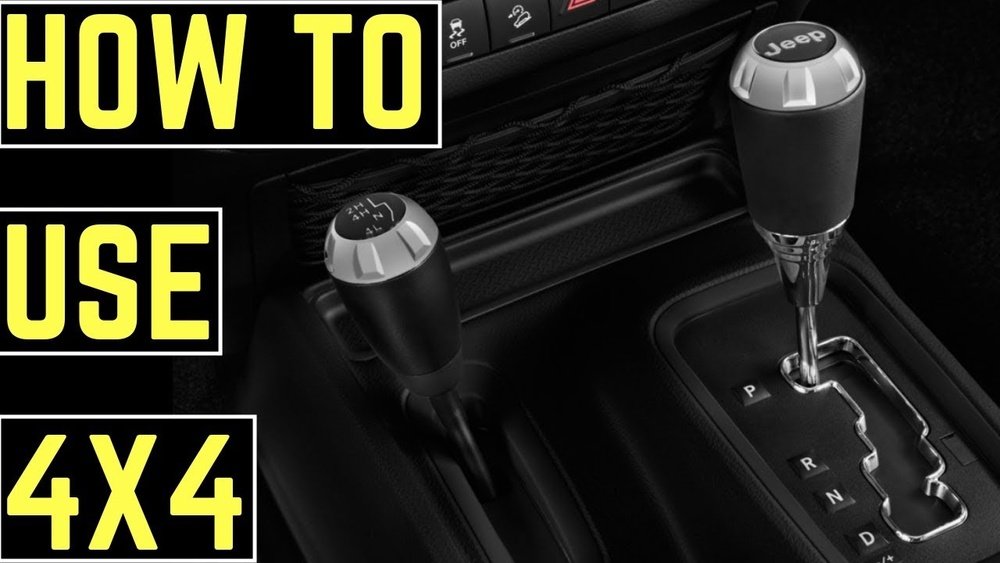
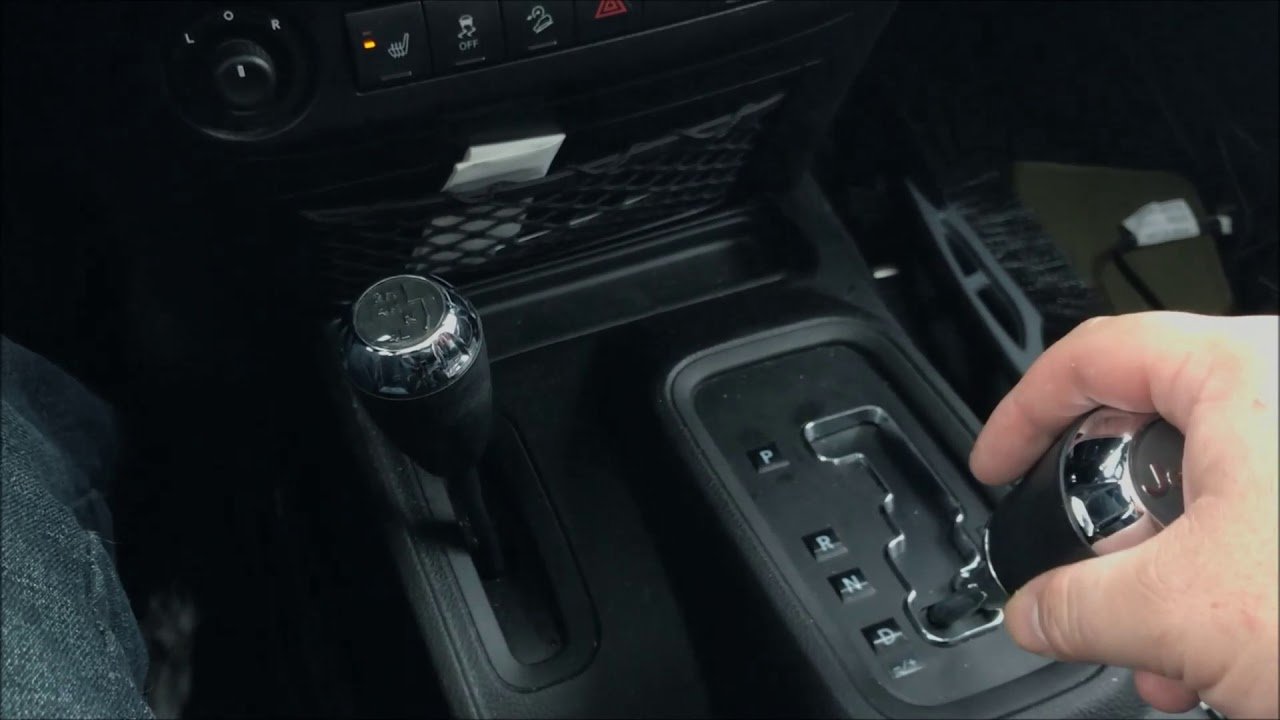
- Locate the transfer case lever: It’s usually next to the gear shifter. Look for markings: 2H, 4H, N, and 4L.
- Move the lever:
- For 4H: Move the lever from 2H to 4H while driving slowly (below 55 mph).
- For 4L: Stop, shift to neutral, then move from 4H to 4L.
- Check dashboard indicators: The 4WD light should come on. If not, repeat the steps or check your owner’s manual.
When Should You Use 4wd?
Knowing when to use 4WD helps you avoid damage and improves safety.
- Use 4H when roads are slippery or you’re going off-road at moderate speeds.
- Use 4L for extreme conditions: Deep snow, mud, or steep hills.
- Keep your Jeep in 2H for dry, paved roads.
Here’s a quick comparison:
| Mode | Best For | Speed Limit |
|---|---|---|
| 2H | Dry pavement | No limit |
| 4H | Snow, sand, moderate off-road | 55 mph |
| 4L | Deep mud, rocks, steep hills | 25 mph |
Common Mistakes To Avoid
Many Jeep owners make mistakes when using 4WD. Avoid these problems for smoother driving:
- Switching to 4L while moving: Always stop and shift to neutral before using 4L.
- Driving fast in 4L: Keep speeds low to prevent damage.
- Using 4WD on dry roads: It can harm the drivetrain and tires.
- Ignoring dashboard warnings: If the 4WD light blinks or stays off, check for issues.
Practical Tips For Using 4wd
- Test 4WD before you need it: Try switching modes in a safe area to make sure everything works.
- Listen for unusual noises: Clicking or grinding means something is wrong.
- Keep tires matched: Uneven tires can cause wear and handling problems.
- Service regularly: Check fluids in the transfer case and axles every 30,000 miles.
Here’s a maintenance comparison:
| Task | Interval | Cost Estimate |
|---|---|---|
| Transfer case fluid | 30,000 miles | $80-$120 |
| Axle fluid | 30,000 miles | $60-$100 |
| Tire rotation | 5,000 miles | $20-$50 |
Troubleshooting 4wd Issues
If your 4WD won’t engage:
- Check the lever position: Make sure it’s fully in 4H or 4L.
- Look for warning lights: If the 4WD indicator is flashing, consult your manual.
- Inspect for leaks: Fluid leaks can cause 4WD problems.
- Ask a mechanic: If unsure, visit a dealership or trusted shop.
Real-world Example
Imagine you’re driving in heavy snow. You start in 2H, but the road gets slippery.
You slow down, shift the lever to 4H, and see the dashboard light come on. Now your Jeep handles better and you stay safe.
If you get stuck in deep snow, stop, shift to neutral, and switch to 4L for extra power to escape.
Frequently Asked Questions
Can I Switch To 4h While Driving?
Yes, you can move from 2H to 4H while driving slowly, usually below 55 mph. Just ease off the gas and shift the lever smoothly.
Should I Use 4wd On Dry Pavement?
No, using 4WD on dry roads can cause drivetrain damage and tire wear. Stick to 2H for normal conditions.
How Do I Know If 4wd Is Working?
The dashboard indicator will light up when 4WD is active. You may also feel extra traction, especially in slippery conditions.
What If The 4wd Light Is Blinking?
A blinking light means the system isn’t fully engaged. Try shifting again, or consult your owner’s manual. If problems continue, see a mechanic.
Is 4wd Maintenance Expensive?
Regular maintenance costs are moderate. Fluid changes and tire rotations are common, but ignoring issues can lead to expensive repairs. For more details, check Jeep’s official site.

Final Thoughts
Putting your 2013 Jeep Wrangler in 4WD takes only a minute, but knowing how and when to use it makes a big difference. Follow these steps for safe driving, and remember to avoid common mistakes. Testing your 4WD before bad weather and doing regular maintenance will keep your Jeep ready for any adventure. If you’re ever unsure, check your manual or ask a trusted mechanic. With these tips, you can explore confidently and enjoy your Wrangler’s full capability.