Getting under the hood of your Jeep Patriot is one of those tasks every owner should know. You might need to check engine oil, refill washer fluid, or inspect a battery.
But if you’re new to this SUV, popping the hood can feel confusing.
Luckily, the process is easy once you know where to look and what to do. This guide explains every step, highlights common mistakes, and shares practical tips to keep your Jeep running smoothly.
Understanding Your Jeep Patriot Hood Mechanism
The Jeep Patriot uses a two-step hood release system. First, you unlock the hood from inside the cabin. Then, you release the safety latch under the hood itself. This design helps prevent accidental opening while driving and protects the engine from theft or weather.
Different models from 2007 2017 share the same basic hood release process. However, some trim levels (like Sport or Latitude) may have slight variations in the latch style or location.
Here’s a comparison of hood release features across Jeep Patriot model years:
| Model Year | Interior Release Location | Latch Style | Extra Safety Features |
|---|---|---|---|
| 2007-2010 | Driver’s side, below dashboard | Lever | Basic latch |
| 2011-2014 | Driver’s side, left kick panel | Lever | Improved latch |
| 2015-2017 | Driver’s side, lower dash | Lever with label | Latch and lock |
Step-by-step Guide To Popping The Hood
Opening the hood is simple if you follow these steps:
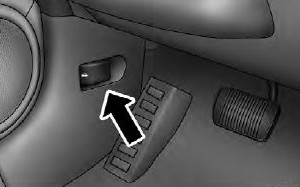
- Find the hood release lever inside your Jeep. It’s usually on the left side, under the dashboard, near your left knee. Look for a small lever with a picture of a car and an open hood.
- Pull the lever firmly. You should hear a click. This sound means the hood has popped up slightly and unlocked the first latch.
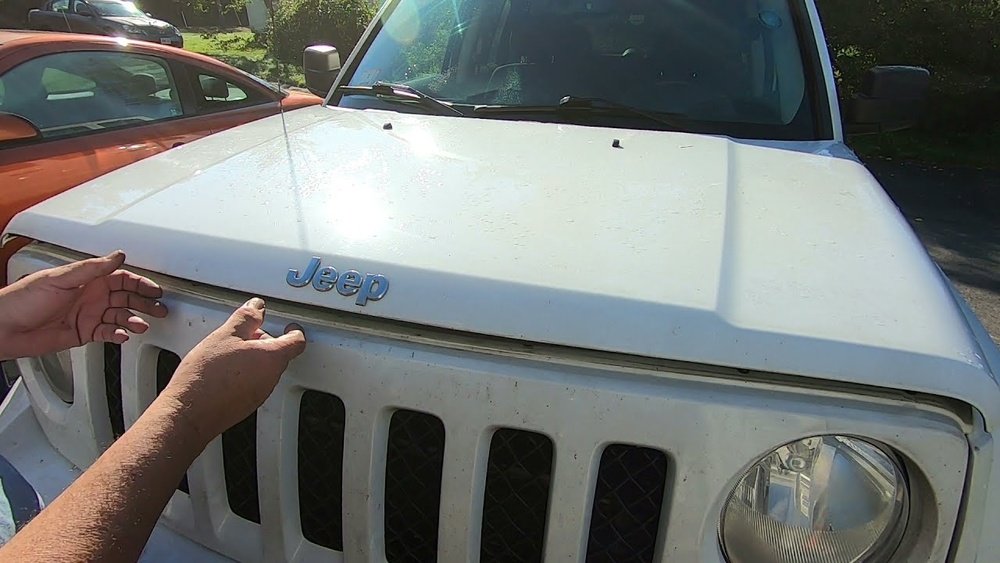
- Go to the front of your Jeep. Walk around to the grille area.
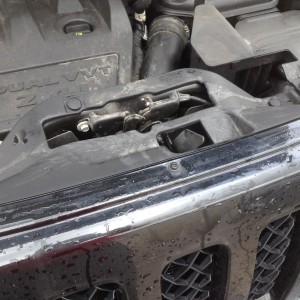
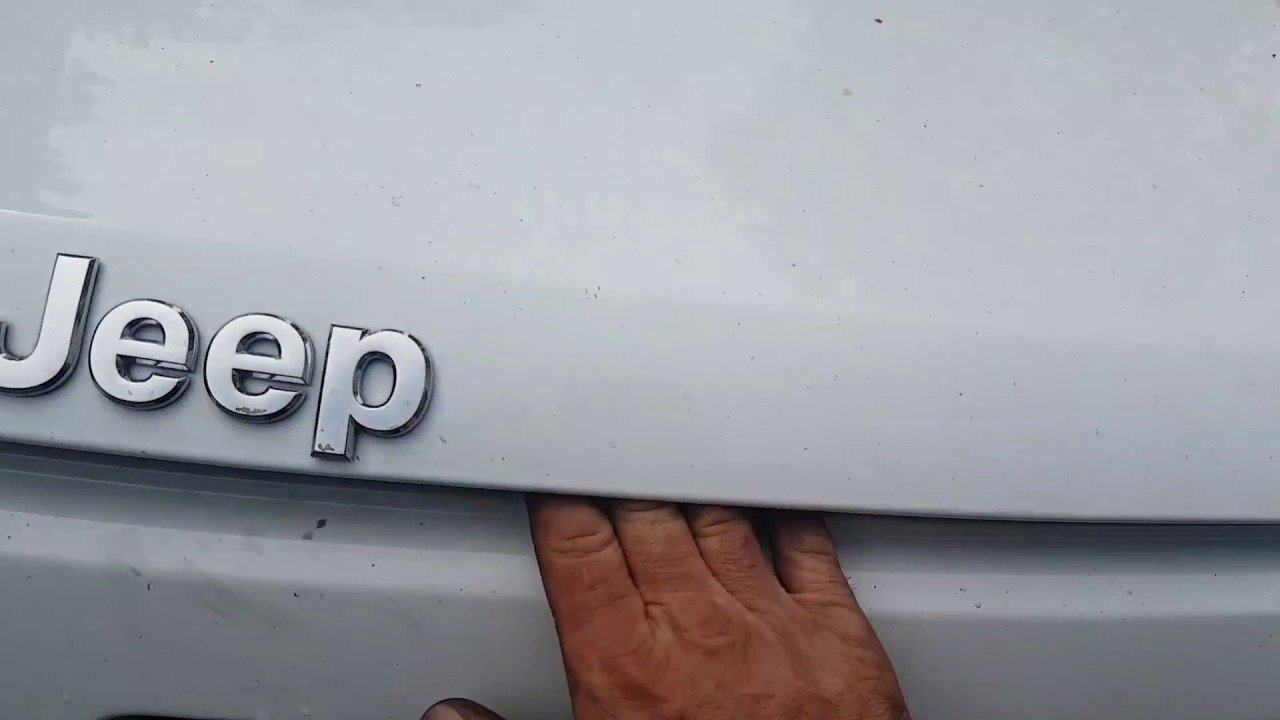
- Find the secondary safety latch under the hood. Slide your hand under the center of the hood. You’ll feel a small metal lever or tab. Push this lever up (sometimes sideways) to fully release the hood.
- Lift the hood carefully. It should raise easily. Some models have a hydraulic strut, while others use a hood prop rod. If there’s a rod, secure it in the slot to keep the hood open.
Here’s a quick comparison of hood supports:
| Support Type | Years Used | Ease of Use | Durability |
|---|---|---|---|
| Prop Rod | 2007-2014 | Manual, needs placement | Very reliable |
| Hydraulic Strut | 2015-2017 | Automatic lift | May wear out |
Common Mistakes And How To Avoid Them
Even experienced drivers sometimes struggle with the hood release. Here are two mistakes beginners often make:
- Pulling the lever too softly: If you don’t hear the click, the hood won’t pop. Always pull the lever with steady force.
- Missing the safety latch: The secondary latch is hidden and can be tricky to find. Feel for it directly under the center edge of the hood. If you push the wrong spot, the hood won’t open.
Another issue: if the hood feels stuck, don’t force it. Sometimes dirt, rust, or cold weather can make the latch stiff. Spray a little lubricant on the latch and try again.
Maintenance Tips For Smooth Hood Operation
Keeping the hood mechanism in good shape is important for safety and convenience. Here are a few tips:
- Lubricate the latch every 6 months. Use a spray lubricant like WD-40.
- Clean around the hood release area. Dirt or debris can block the lever or latch.
- Check the hood strut or rod for wear. Replace if it feels loose or doesn’t hold the hood securely.
If the hood won’t open after several tries, check the cable. Sometimes the release cable can snap or stretch.
In this case, a mechanic may need to repair or replace it.
Extra Insights Most Owners Miss
Many people forget that temperature changes affect hood mechanisms. Cold weather can make the latch stiff, while heat can cause parts to expand. If you live in extreme climates, lubricate the latch more often and check for corrosion.
Another overlooked detail: after closing the hood, always check that it’s locked. Press down gently to make sure it’s secure. An unlocked hood can pop open while driving, which is dangerous.
When Should You Pop The Hood?
You should open the hood for several reasons:
- Checking engine oil
- Refilling windshield washer fluid
- Inspecting battery terminals
- Checking coolant level
- Replacing air filters
Regular checks help keep your Jeep Patriot in top shape. Most experts recommend inspecting under the hood every month, especially before long trips.
Troubleshooting Hood Issues
Sometimes the hood release doesn’t work as expected. Here are a few problems and solutions:
- Cable is broken: If the lever feels loose, the cable may have snapped. Visit a mechanic for replacement.
- Latch won’t release: Spray lubricant and wiggle the lever.
- Hood won’t stay up: If the hydraulic strut or prop rod fails, replace it for safety.
For more detailed repair info, check resources like Edmunds Jeep Patriot Guide.
Frequently Asked Questions
How Often Should I Lubricate The Hood Latch?
Lubricate the latch every 6 months or after washing your engine bay. This prevents rust and keeps the mechanism moving smoothly.
What If My Hood Won’t Open At All?
If both the lever and latch fail, check for a broken cable. In some cases, you can reach the cable from underneath the vehicle, but it’s safer to ask a mechanic.
Where Is The Hood Release Lever Located?
On most Jeep Patriots, the lever is on the driver’s side, under the dashboard, near your left knee. It’s marked with a hood symbol.
Is It Safe To Drive With The Hood Slightly Open?
No. Always make sure the hood is fully closed and locked. Driving with a loose hood can lead to serious accidents.
Do All Jeep Patriots Have The Same Hood Mechanism?
Most models from 2007 2017 share the same basic system, but newer trims may use a hydraulic strut instead of a prop rod.
Popping the hood on your Jeep Patriot is a simple task with big importance. Knowing the steps, caring for the latch, and avoiding common mistakes will help you keep your SUV running well.
Whether you’re checking fluids or inspecting the engine, understanding this basic skill gives you more confidence as a Jeep owner.