Opening the hood of your Jeep Cherokee might sound simple, but it can be confusing if you’ve never done it before or if you’re used to other vehicles. Whether you need to check your oil, fill washer fluid, or inspect the battery, knowing how to open the hood is a must.
This guide explains the process step by step, covers common issues, and offers expert tips to help you avoid mistakes. Even if you’re new to cars, you’ll feel confident by the end.
Understanding The Basics
Most Jeep Cherokees—whether classic models or the latest releases—use a two-step hood release. First, you find and pull a lever inside the cabin. Then, you release a secondary latch under the hood.
Here’s a quick comparison of hood release locations in different Jeep Cherokee generations:
| Model Year | Interior Lever Location | Secondary Latch Type |
|---|---|---|
| 1984–2001 (XJ) | Under dash, left side | Center front under hood |
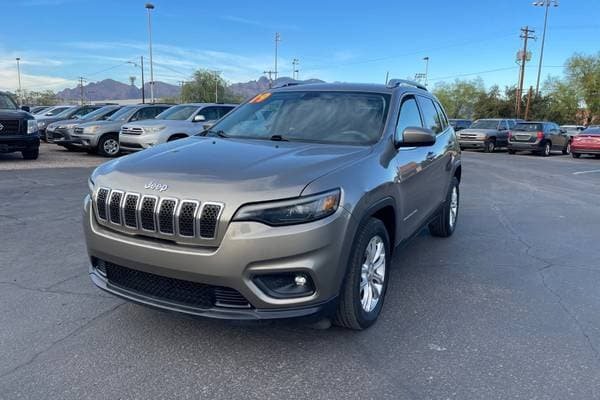
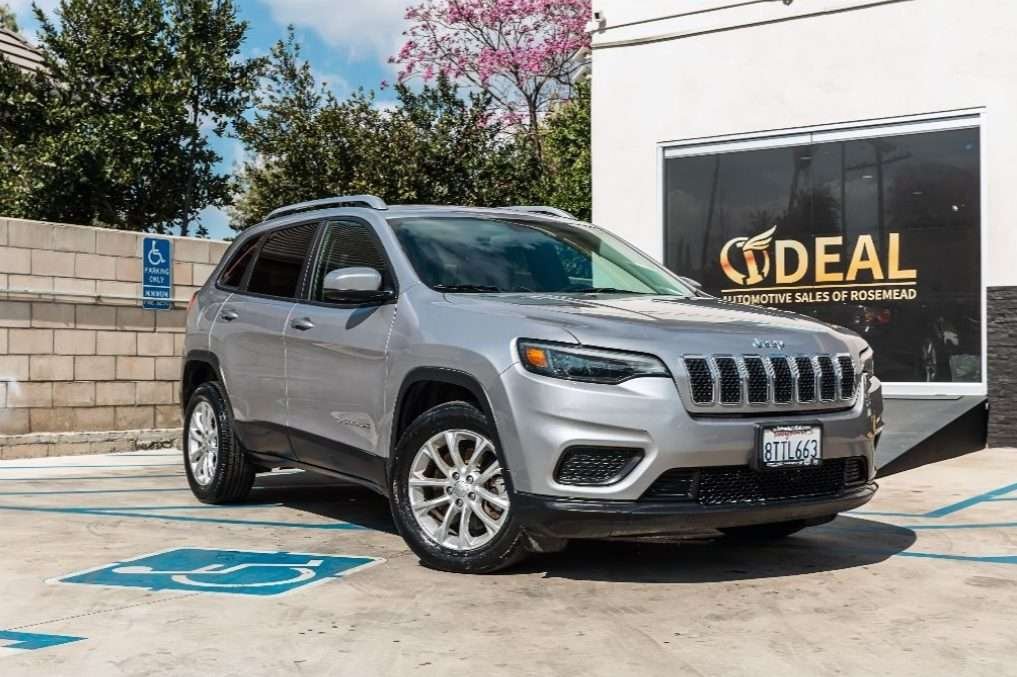
| 2014–2023 (KL) | Lower dash, near door | Offset center under hood |
| 2022 Grand Cherokee (WL) | Left kick panel | Center under hood |
Not all SUVs use the same system. If you drive more than one vehicle, don’t assume the method is identical.
Step-by-step: How To Open Your Jeep Cherokee Hood
Follow these steps to open the hood safely. This process works for most Jeep Cherokee models after 1984.
- Park on Level Ground: For safety, always park and set the parking brake before opening your hood.
- Locate the Interior Hood Release:
- Look under the dashboard, usually on the driver’s side near the door.
- The handle is often labeled with a hood symbol.
- Pull the Release Lever:
- You’ll hear a “pop” as the hood lifts slightly.
- The hood is now open a few inches, but a secondary latch is still holding it.
- Move to the Front of the Vehicle:
- Stand in front of your Jeep.
- Place your fingers under the center or slightly off-center of the hood’s front edge.
- Find and Release the Secondary Latch:
- Feel for a small lever or tab.
- Push or slide it (usually left or right) to release the hood fully.
- Lift the Hood:
- Raise the hood gently. Most models have a prop rod; newer models may use gas struts.
- Secure the Hood:
- If your Jeep uses a prop rod, lift it from its clip and fit it into the hole on the hood.
Common Issues And Fixes
Sometimes the hood won’t open even if you follow the right steps. Here are some troubleshooting tips:
- Stuck Interior Lever: If the lever feels stiff, don’t force it. Try wiggling gently or check for dirt around the mechanism.
- Secondary Latch Jammed: Spray a little lubricant where the latch meets the hood. Use a flashlight to see better.
- Broken Release Cable: If the cable snaps, you may need to access the latch from underneath the front grille. This step is tricky—if unsure, seek help.
Safety Tips And Mistakes To Avoid
Opening your hood is usually safe, but mistakes can cause damage or injury. Here are some expert tips:
- Let the Engine Cool: If the car was running, wait at least 10 minutes. Hot parts can burn.
- Don’t Slam the Hood: Lower it gently and press down until it clicks. Slamming can bend or damage the latch.
- Watch for Obstructions: Make sure nothing (like tools or rags) is in the way before closing the hood.
- Check the Prop Rod: Always secure it before working under the hood. If it falls, the hood can drop suddenly.
Here’s a quick table of do’s and don’ts for Jeep Cherokee hood opening:
| Do | Don’t |
|---|---|
| Park and set the brake | Open on a hill |
| Use two hands for lifting | Force stuck levers |
| Secure the prop rod | Lean over a hot engine |
Tips For Specific Jeep Cherokee Models
Different models have small differences in their hood release setups. Here are key points for popular versions:
1984–2001 Cherokee (xj)
- The interior lever is often hidden under the dash.
- The secondary latch is in the center, just above the Jeep logo.
- Some old Cherokees may have sticky cables—keep them clean and lubricated.
2014–2023 Cherokee (kl)
- The lever sits low on the left side, close to the kick panel.
- The secondary latch is slightly left of center.
- This model uses a lighter hood, making it easier to lift.
Grand Cherokee (wl, 2022+)
- The release lever is larger and easier to find.
- The secondary latch is center-mounted.
- Many have gas struts—no need for a prop rod.
Non-obvious Insights For Beginners
- Check the Hood Release Cable: If you feel resistance, the cable might be fraying. Replace it before it snaps completely.
- Lubricate the Latch Regularly: Every oil change, spray a light lubricant on the secondary latch. This prevents sticking, especially in winter.
- Practice Once at Home: Don’t wait until you need a jump start. Try opening your hood at home first so you’re not stressed if you need to do it later.
When To Seek Help
If you try all steps and the hood still won’t open, do not pry it open with tools. This can bend the hood or break the latch. Visit a Jeep dealership or a trusted mechanic. For official information, check the Jeep Owner’s Site.
Frequently Asked Questions
How Do I Know If My Jeep Cherokee Has A Prop Rod Or Gas Struts?
Open the hood and look. If there’s a thin metal rod clipped to the engine bay, you have a prop rod. If the hood stays up by itself with no rod, your Jeep uses gas struts.
What If The Hood Release Lever Feels Loose?
A loose lever often means the release cable is stretched or broken. Do not force it. Get it checked by a mechanic before it fails completely.
Can I Open The Hood Without The Interior Lever?
It’s difficult and not recommended. On some models, you can reach the latch from below after removing the grille, but this risks damaging parts. Use the lever whenever possible.
Why Does My Hood Get Stuck In Winter?
Cold weather can freeze the latch or stiffen the cable. Use a de-icer spray or gently warm the front with a hairdryer. Lubricate the latch regularly to prevent freezing.
Are All Jeep Cherokee Hood Releases In The Same Place?
No, the location can change depending on the model year. Always check your owner’s manual or look under the dash near the driver’s side for the release lever.
Opening your Jeep Cherokee’s hood doesn’t have to be tricky. With these tips and a little practice, you’ll be ready to handle basic car checks or emergencies. Stay safe, and remember: gentle handling and regular maintenance keep your hood working smoothly for years.