Opening the gas cap on a Jeep can seem simple, but when you have a locking cap that needs a key, things get a bit more detailed. Many Jeep models use a locking gas cap for extra security.
This protects your fuel from theft and helps prevent tampering.
However, if you’re new to Jeeps or have just switched to a locking cap, the process can be confusing. Let’s break down the steps, offer practical advice, and cover the little details Jeep owners often miss.
Understanding Jeep Locking Gas Caps
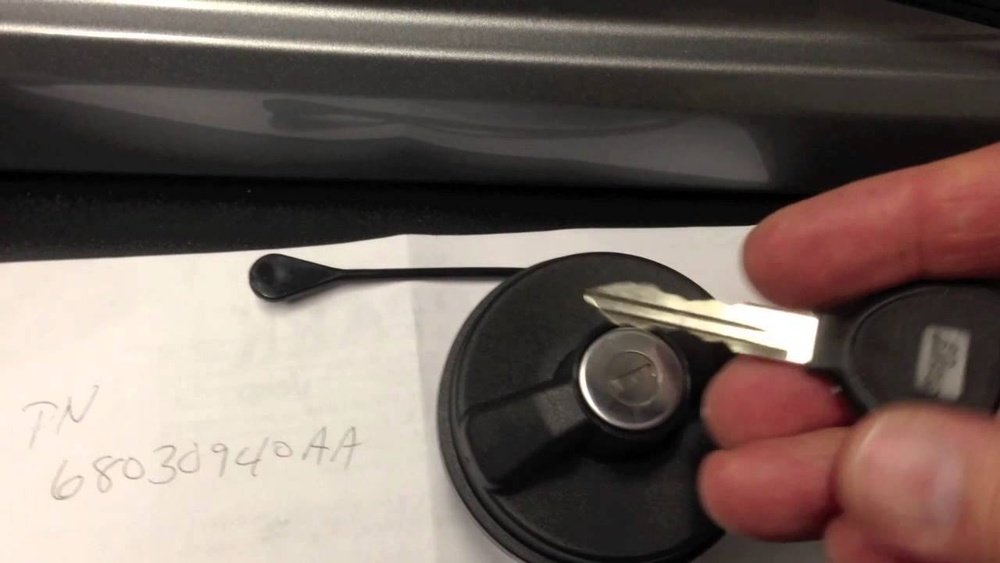
Locking gas caps are designed to add a layer of security. They look similar to standard caps but include a keyhole and internal lock.
Many Jeep models, like the Wrangler and Grand Cherokee, use these caps, especially in areas where fuel theft is a concern.
Here are some facts about Jeep locking gas caps:
- Material: Usually made from tough plastic and metal.
- Security: Prevents unauthorized fuel siphoning.
- Models: Common on Wranglers, Cherokees, and Renegades.
A study from the National Insurance Crime Bureau shows that fuel theft incidents rise during economic downturns, making locking caps an effective deterrent.
Step-by-step: How To Open Jeep Gas Cap With Key
Opening your Jeep’s gas cap with a key is easy when you know the right steps. Here’s how to do it safely and quickly:
1. Check You Have The Right Key
Jeep locking gas caps often come with two identical keys. These are not your ignition keys, but separate keys made for the gas cap.
Make sure you use the gas cap key forcing the wrong key can damage the lock.
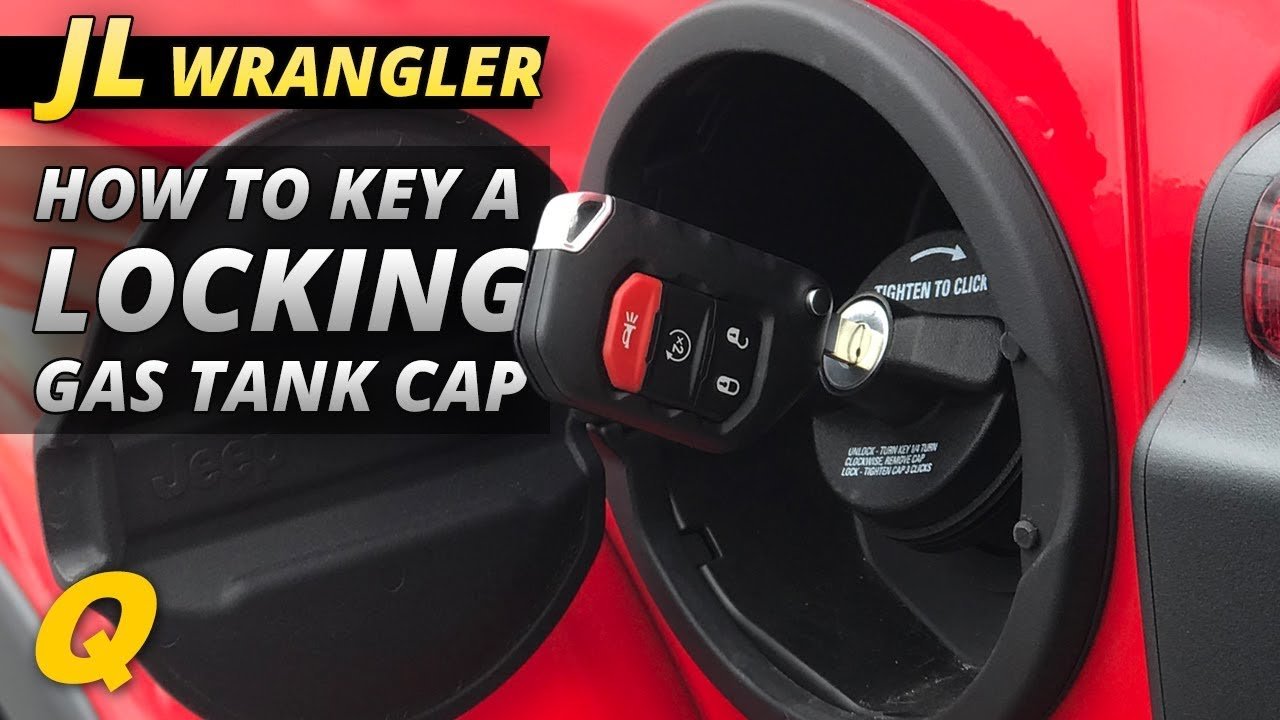
- Unlock the Gas Cap
- Insert the key into the cap’s keyhole.
- Turn the key clockwise (right) until you hear a click or feel the lock release.
Some models require a counter-clockwise turn, so check your owner’s manual if unsure.
- Twist to Open
- While holding the key in the unlocked position, turn the gas cap counter-clockwise (left).
- The cap should loosen easily. If it feels stuck, don’t force it—double-check the lock is fully released.
- Remove the Cap
- Take off the gas cap and attach it to the holder inside the fuel door, if available.
- Closing and Locking
- After fueling, place the cap back on and twist clockwise until tight.
- Turn the key counter-clockwise (or as per your model) to lock.
- Remove the key and store it in a safe place.
Common Mistakes To Avoid
- Using the wrong key
- Forgetting to lock the cap after fueling
- Over-tightening the cap, which can damage threads

Comparison: Locking Vs. Non-locking Gas Caps
Understanding the differences can help you decide if a locking cap is right for you. Here’s a quick comparison:
| Feature | Locking Gas Cap | Standard Gas Cap |
|---|---|---|
| Security | High | Low |
| Ease of Use | Requires Key | Twist Only |
| Replacement Cost | Higher ($15–$35) | Lower ($5–$15) |
| Risk of Lost Key | Yes | No |
When You Lose Your Gas Cap Key
Losing your gas cap key is frustrating but not uncommon. Here’s what to do:
1. Check For Spare Key
Most Jeep locking gas caps come with a spare. Check your glove box or owner’s manual pouch.
2. Visit A Locksmith
A locksmith can often make a new key using the lock code on the cap.
3. Replace The Gas Cap
If you can’t recover the key, you’ll need to buy a new cap. Most auto parts stores carry Jeep-compatible locking caps.
4. Don’t Force The Cap
Forcing the cap open with tools can damage your fuel system and void warranties.
Here’s a quick look at your options if you lose the key:
| Solution | Time | Cost | Risk |
|---|---|---|---|
| Use Spare Key | Immediate | Free | None |
| Call Locksmith | 1–2 hours | $20–$50 | Low |
| Replace Cap | Same day | $15–$35 | None |
| Force Open | Minutes | Varies (damage possible) | High |
Two Insights Most Jeep Owners Miss
First, lubricate the lock mechanism every few months with a silicone-based spray. Dust, mud, or water can build up inside the lock, causing it to jam. A quick spray keeps the key turning smoothly.
Second, always keep your spare gas cap key outside your vehicle. Many people leave both keys in the Jeep. If you get locked out or lose your main key, you’ll have no way to access fuel.
Tips For Long-term Use
- Check the gas cap seal for cracks or wear every few months. A bad seal can trigger your check engine light.
- If your gas cap gets hard to turn, clean the threads and apply a bit of petroleum jelly for smoother operation.
- Never leave your gas cap hanging by the tether while fueling in windy or sandy environments. Grit can enter the lock and cause problems later.
Frequently Asked Questions
How Do I Know If My Jeep Gas Cap Needs A Key?
Most locking gas caps have a visible keyhole on the front. If your cap has a smooth face with no hole, it’s a standard cap. Your Jeep owner’s manual will also mention if a locking cap is installed.
Can I Use My Ignition Key For The Gas Cap?
No. Jeep ignition keys and gas cap keys are different. Forcing the wrong key can break the lock or key. Always use the key provided with your gas cap.
What Should I Do If The Gas Cap Won’t Unlock?
Try gently turning the key back and forth. If it still won’t unlock, spray a small amount of lock lubricant into the keyhole and try again after a few minutes. If it’s stuck, visit a locksmith.
Will A Locking Gas Cap Affect My Jeep’s Performance?
No, a locking cap will not affect performance if it’s installed correctly and the seal is intact. However, a damaged cap or seal can cause the check engine light to come on due to fuel vapor leaks.
Where Can I Buy A Replacement Jeep Locking Gas Cap?
You can find Jeep-compatible locking gas caps at auto parts stores, dealerships, or online retailers. For official details, check the Mopar accessories page.
Opening your Jeep gas cap with a key isn’t hard once you know the process. With the right steps, a little care, and awareness of common mistakes, you can keep your fuel safe and your Jeep running smoothly for years.