Opening the hood of your Jeep Patriot may seem simple, but if you’re unfamiliar with this process, it can feel confusing. Whether you need to check your engine oil, refill windshield fluid, or inspect the battery, knowing how to access the engine bay is essential.
This guide explains every step clearly and highlights common mistakes. You’ll also find practical tips and comparisons to help you avoid trouble.
Understanding The Jeep Patriot Hood Mechanism
The Jeep Patriot uses a standard hood release system found in most modern vehicles. It has two main mechanisms:
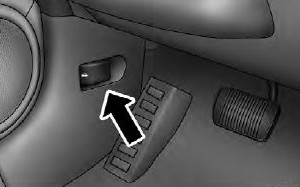
- Interior hood release lever: Located inside the cabin, usually near the driver’s seat.
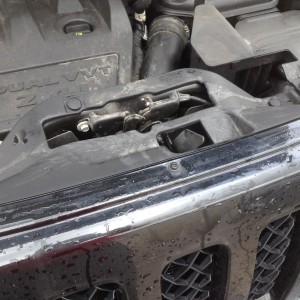
- Secondary safety latch: Found under the front edge of the hood. This prevents the hood from opening while driving.
Before you try to open the hood, make sure your car is parked securely and turned off.
| Feature | Location | Purpose |
|---|---|---|
| Interior Release Lever | Driver’s side footwell | Unlocks main latch |
| Secondary Safety Latch | Under hood center | Prevents hood from flying open |
Many beginners forget about the secondary latch, causing confusion when the hood doesn’t lift fully after pulling the interior lever.
Step-by-step Guide: Opening Your Jeep Patriot Hood
Follow these steps to open the hood safely and quickly:
- Locate the interior hood release lever
- Sit in the driver’s seat.
- Look below the dashboard, near the left side of your feet.
- The lever usually has a small hood icon.
- Pull the lever firmly
- You’ll hear a soft pop as the hood unlocks.
- Don’t force the lever; a gentle but firm pull is enough.
- Exit the vehicle and go to the front
- Walk to the front of the Jeep.
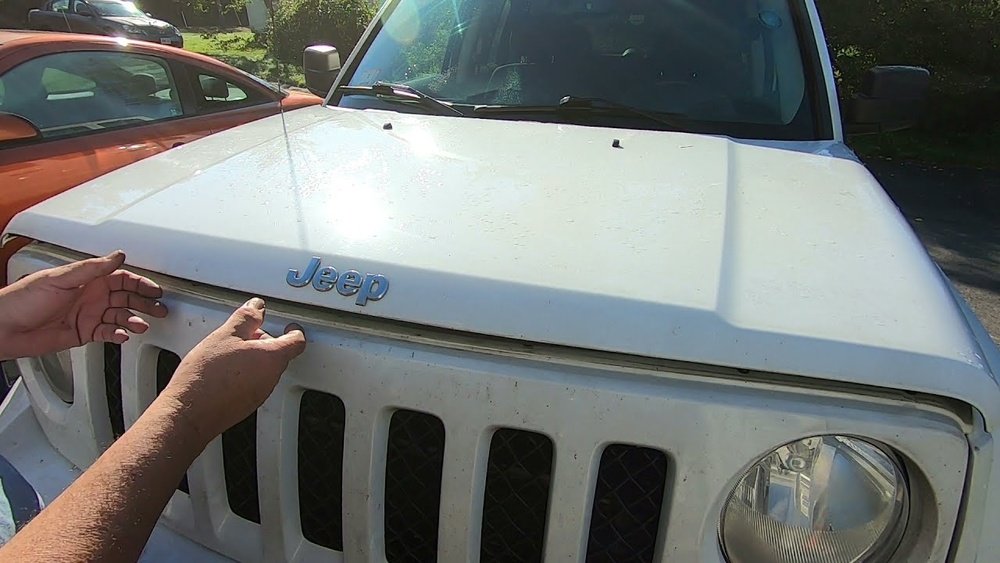
- Stand in the center, facing the grille.
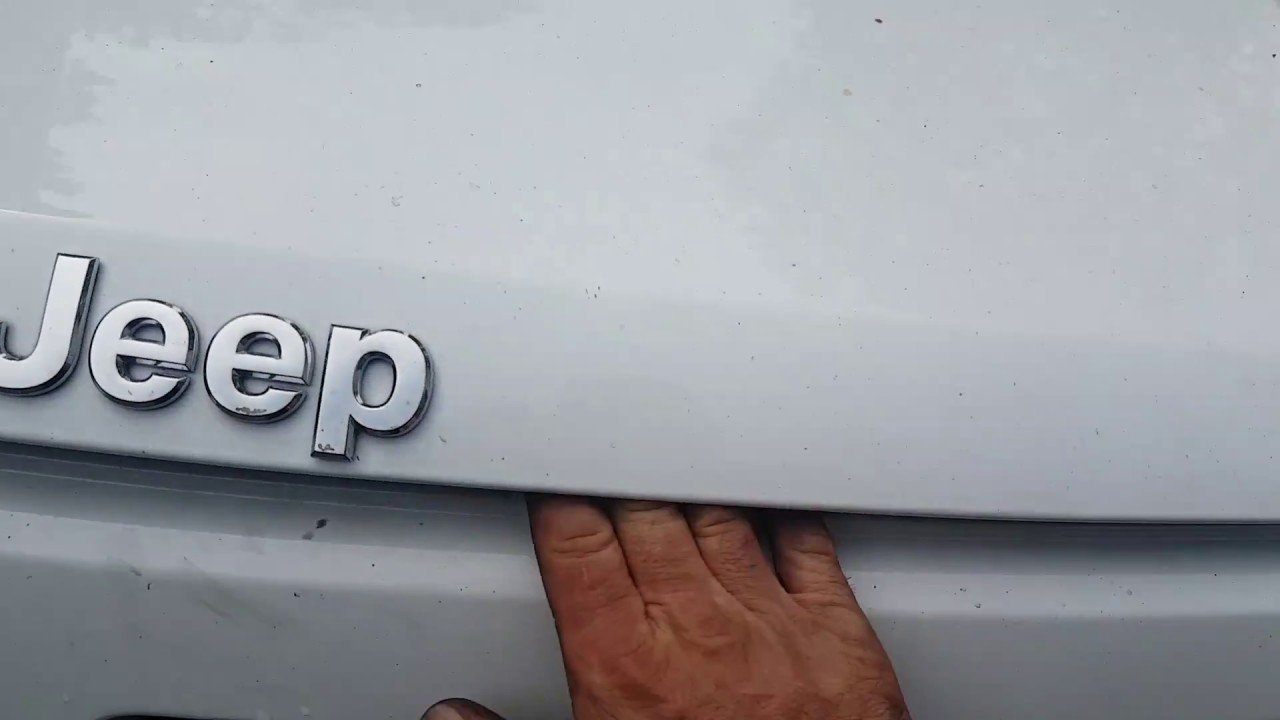
- Find the secondary safety latch
- Slide your hand under the hood’s center edge.
- Feel for a small lever or tab, usually near the Jeep badge.
- Push or lift this latch to release the hood fully.
- Lift the hood
- Raise the hood slowly.
- Use the hood prop rod if equipped, or let it lock into place if it has gas struts.
- Secure the hood
- Make sure the hood is stable before working in the engine bay.
| Step | Location | Tip |
|---|---|---|
| Find lever | Driver’s footwell | Look for hood symbol |
| Pull lever | Inside cabin | Listen for pop sound |
| Locate latch | Front center under hood | Feel for metal tab |
| Lift hood | Front of vehicle | Use both hands for safety |
Common Mistakes And Troubleshooting
Many drivers face problems when opening their Jeep Patriot hood. Here are frequent mistakes and how to fix them:
- Missing the interior lever: Some people look too far under the seat or above the dashboard. Always check close to the driver’s left foot.
- Not unlocking the secondary latch: The hood will only lift a few inches if the latch isn’t released. Slide your hand until you feel the tab.
- Forcing the hood: Never use excessive force. If the hood won’t open, check if the lever was pulled fully.
- Hood release cable issues: If the lever feels loose or doesn’t pop the hood, the cable may be damaged. In this case, consult a mechanic.
- Cold weather problems: In freezing temperatures, the latch can stick. Spray a small amount of WD-40 or similar lubricant to help.
| Problem | Typical Cause | Solution |
|---|---|---|
| Hood won’t pop | Lever not pulled fully | Pull lever again, check cable |
| Latch stuck | Rust, cold weather | Apply lubricant, gently wiggle |
| Hood won’t stay up | Faulty prop rod or strut | Replace support, use temporary stick |
A non-obvious tip: Always check for leaves or debris around the latch area. These can block the mechanism and are easy to overlook.
Safety Tips And Best Practices
Opening the hood seems easy, but you should follow safety steps:
- Turn off the engine before opening the hood.
- Wait a few minutes if the engine was running to avoid burns.
- Use gloves if possible, especially in cold weather.
- Never open the hood on a slope; the hood could fall unexpectedly.
- If you’re unsure, ask for help or check your vehicle’s manual.
Many people forget to secure the hood prop rod. If your Jeep Patriot’s hood uses a rod, always double-check it before working inside.
When To Open Your Jeep Patriot Hood
You should open your hood for:
- Checking engine oil
- Refilling coolant or windshield fluid
- Inspecting the battery
- Looking for leaks or unusual noises
A smart practice: Schedule regular checks every month, even if you don’t see warning lights. This helps catch small issues early.
Frequently Asked Questions
How Do I Know If My Jeep Patriot Has A Hood Prop Rod Or Gas Struts?
Most Jeep Patriots from 2007-2017 use a hood prop rod, but some models may have gas struts. Look under the hood after lifting—if you see a thin metal rod, it’s a prop rod. Gas struts are thicker and mounted on the side.
What Should I Do If The Hood Release Lever Is Broken?
If the lever is broken or loose, the cable may need replacement. Visit a mechanic or refer to your owner’s manual. For more info, see Wikipedia.
Is It Safe To Open The Hood After Driving?
Yes, but wait at least five minutes. The engine and components can be hot. Touching them immediately may cause burns.
Can I Open The Hood If My Battery Is Dead?
Yes, the hood mechanism is mechanical, not electric. You can open the hood even with a dead battery.
Why Does The Hood Release Lever Feel Stiff?
A stiff lever is often caused by rust or lack of lubrication in the cable. Apply a small amount of lubricant and operate the lever gently.
Opening your Jeep Patriot hood may feel tricky at first, but with these steps and tips, you’ll soon be confident. Always focus on safety and regular maintenance.
If you’re ever unsure, check your manual or ask a professional. This simple skill can help you keep your vehicle running smoothly for years.