If your child loves their Power Wheels Jeep but wishes it could go a bit faster, you’re not alone. Many parents look for safe ways to boost the speed of these battery-powered ride-on toys.
Making a Power Wheels Jeep go faster can be fun and rewarding, but it must be done carefully.
This guide explains the best methods, safety tips, and what to expect, using simple language that’s easy to understand.
Understanding Power Wheels Jeep Speed Limits
Most Power Wheels Jeeps are designed for safety, usually reaching speeds of 2.5 to 5 mph. The speed depends on the motor, battery, and factory wiring. Manufacturers keep these limits to protect young drivers. However, with proper upgrades, you can safely increase the speed without damaging the toy or putting your child at risk.
Best Methods To Make Power Wheels Jeep Go Faster
Here are the most effective ways to boost your Power Wheels Jeep’s speed:
1. Upgrade The Battery
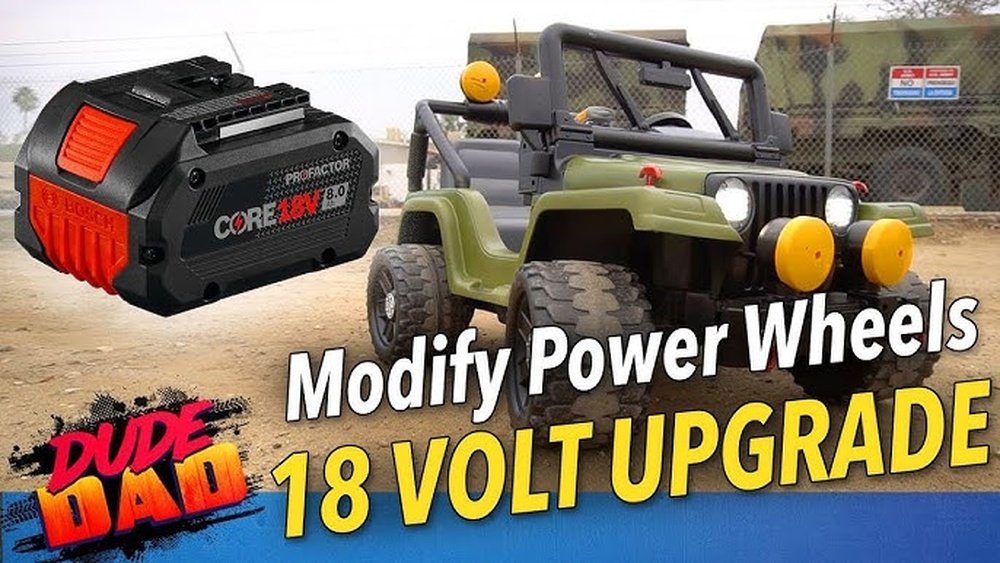
The fastest and most popular method is to use a higher voltage battery.
- Most Power Wheels use a 12V battery.
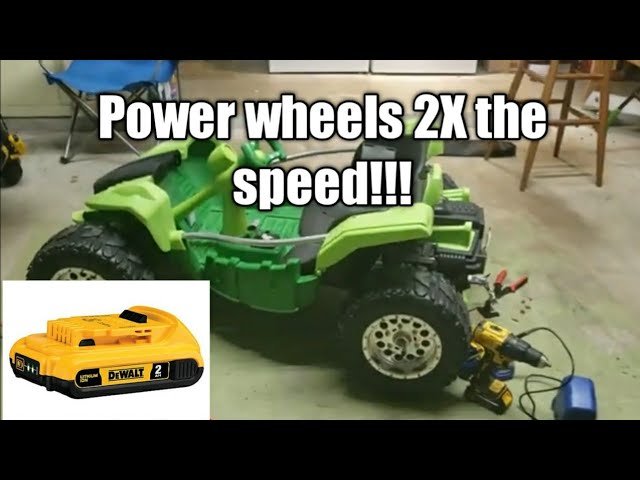
- Swapping it for a 16V or 18V battery can increase speed by 30–50%.
- Make sure the new battery fits the compartment and matches the voltage the motor can handle.
Tip: Use a battery from a reliable brand. Cheaper batteries might overheat.
2. Change The Motor
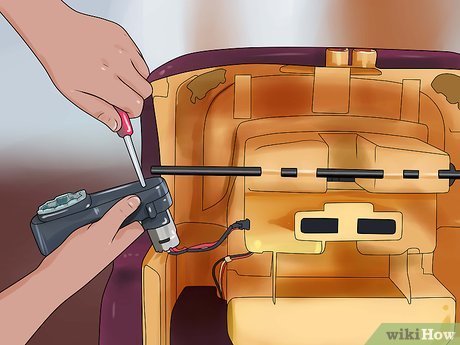
If you want more speed, consider upgrading the electric motor.
- Stock Power Wheels motors are made for low speed and light use.
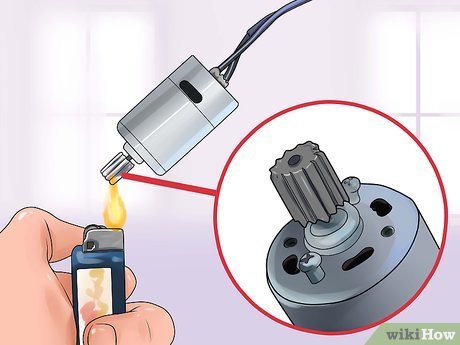
- Install a high-speed 550 or 775 motor for better performance.
- New motors may require new gears or wiring.
Practical insight: Upgrading the motor without improving the battery gives limited results. Both parts work best together.
3. Install A Speed Controller
A speed controller lets you adjust how much power reaches the motor.
- This upgrade is useful if you want to limit or boost speed for different ages.
- Some controllers include safety features like gradual acceleration.
Beginners often forget: Adding a speed controller is more advanced and may require soldering.
4. Replace Gears
Gearboxes in Power Wheels are often made for slow, steady movement.
- Swap the original gears for high-speed gears.
- Stronger gears prevent stripping and can handle the extra power from a better motor or battery.
Warning: Plastic gears wear out quickly with high voltage. Choose metal gears if possible.
5. Upgrade The Wheels
Worn or plastic wheels can slow the Jeep.
- Install rubber or foam-lined wheels for better grip and less slipping.
- Better traction means faster starts and improved speed, especially on grass or rough surfaces.
6. Reduce Weight
Less weight means faster acceleration.
- Remove extra accessories your child doesn’t use.
- Do not overload the Jeep with passengers or heavy items.
Extra insight: Many people focus only on the battery. A lighter vehicle can make a big difference.
Essential Safety Tips
Boosting speed increases fun but also risk. Always:
- Check brakes and steering before every ride.
- Add seatbelts if not already installed.
- Supervise children closely, especially after making modifications.
- Avoid steep hills and water.
Pro tip: After upgrades, test the Jeep yourself before letting your child drive it.
Comparison Of Power Upgrades
Below is a look at how different upgrades affect speed and cost.
| Upgrade | Speed Increase (%) | Average Cost | Skill Level |
|---|---|---|---|
| Battery Upgrade | 30–50% | $30–$70 | Easy |
| Motor Upgrade | 20–40% | $20–$60 | Intermediate |
| Gears Replacement | 10–25% | $15–$40 | Easy |
| Speed Controller | Variable | $25–$90 | Advanced |
Step-by-step: How To Upgrade The Battery
If you want to try the easiest upgrade, here’s how to swap in a higher voltage battery:
- Choose a compatible battery (16V or 18V for most Jeeps).
- Disconnect the old battery by removing the connector.
- Secure the new battery in the compartment. Use foam or straps if it is smaller.
- Connect the wires. Match the positive and negative terminals.
- Test the Jeep without a child first.
- Check for overheating during the first rides.
Beginner mistake to avoid: Never connect a battery with higher voltage than the motor can handle. This could burn out the electronics.
Common Problems After Upgrades
Increasing speed can create new issues. Here’s what to watch out for:
| Problem | Cause | Solution |
|---|---|---|
| Motor overheating | Too much voltage | Add cooling fan or upgrade motor |
| Battery drains quickly | More powerful motor | Use higher Ah battery |
| Gears stripping | Plastic gears, high speed | Install metal gears |
| Wiring melts | Thin wires, high current | Use thicker wires |
Tip: Always check for hot spots on the Jeep after any ride.
Legal And Warranty Considerations
Before making changes, remember:
- Upgrades may void the warranty from Power Wheels.
- Some modifications are not allowed in public parks.
- Always check local rules if your child rides outside your property.
For more details on electric ride-on vehicles, visit the Wikipedia page on electric vehicles.
Frequently Asked Questions
How Fast Can A Power Wheels Jeep Go After Upgrades?
With safe upgrades, most Jeeps can reach 6 to 8 mph. This is nearly double the stock speed. Always test upgrades before letting a child ride.
Is It Safe To Use A Car Battery For Power Wheels?
No, car batteries deliver too much current and can damage the electronics or cause overheating. Use batteries designed for ride-on toys.
Can I Revert The Jeep To Its Original Speed?
Yes. Most modifications are reversible.
Keep the original parts so you can return the Jeep to factory condition if needed.
Do I Need Special Tools To Upgrade A Power Wheels Jeep?
For basic upgrades like batteries, only a screwdriver is needed. For motors or controllers, you may need a soldering iron and wire cutters.
Will Upgrading The Jeep Damage It Over Time?
If upgrades are done correctly and the Jeep is maintained, it can last for years. However, pushing the system too hard or skipping safety checks may cause early wear.
Boosting your Power Wheels Jeep’s speed is possible and can be safe with the right steps. Focus on quality parts, follow safety tips, and enjoy the fun of a faster ride-on toy.
With these changes, your child’s next drive will be more exciting than ever.