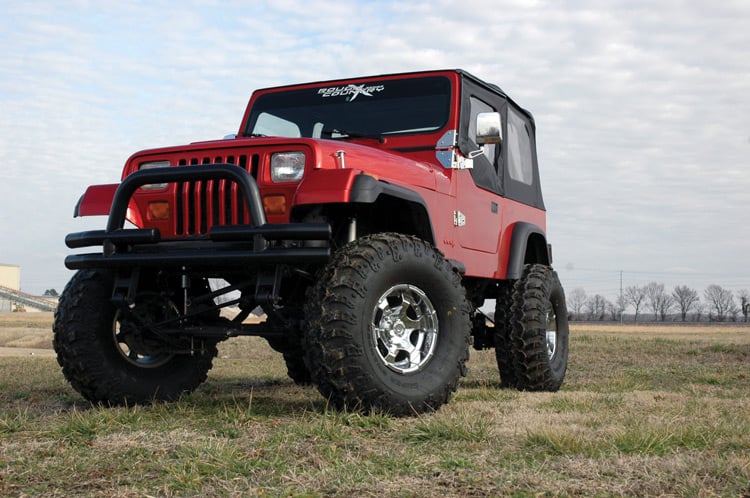
If you own a Jeep YJ (also known as the Wrangler YJ from 1987–1995), you probably love its rugged style and off-road ability. Many Jeep fans want to lift their YJ for extra ground clearance, better looks, and room for larger tires. Lifting your Jeep can change how it performs, so it’s important to do it right. In this guide, you’ll learn the best ways to lift your Jeep YJ, what to expect, and common mistakes to avoid.
Choosing The Right Lift Kit
There are several ways to lift your Jeep YJ. Each method has unique benefits and challenges. Let’s look at the main options:
| Lift Type | Height Range | Main Pros | Main Cons |
|---|---|---|---|
| Suspension Lift | 2–6 inches | Improves off-road ability, fits bigger tires | Higher cost, more complex install |
| Body Lift | 1–3 inches | Cheaper, easier to install | Limited tire size increase, less off-road gain |
| Shackle Lift | 0.5–2 inches | Simple, low cost | May affect handling, uneven lift |
Most Jeep owners choose a suspension lift for real off-road improvements. A body lift can be good for looks or small tire upgrades. Shackle lifts are easy, but they can lead to poor handling if not done carefully.
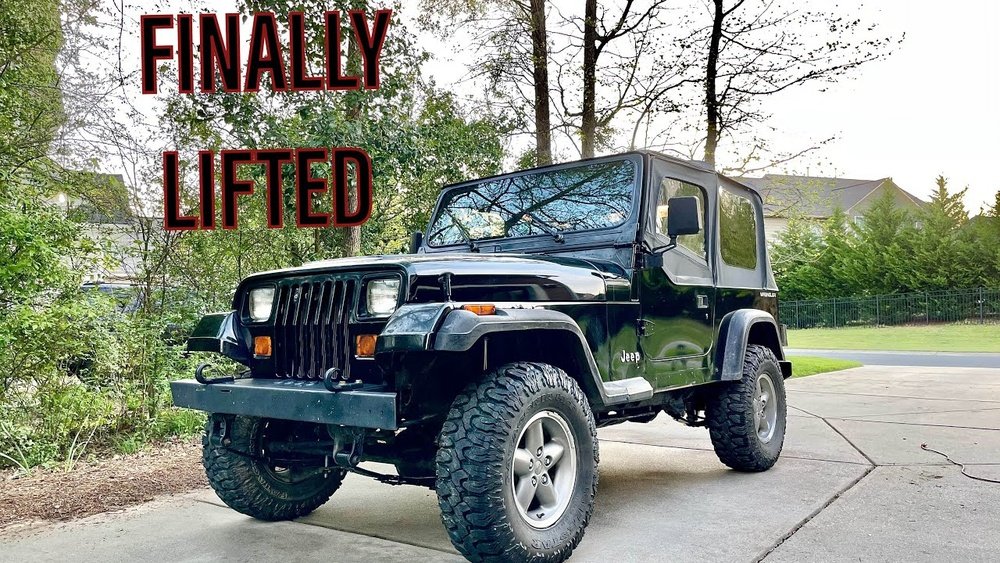
Steps To Lift Your Jeep Yj
Follow these steps to lift your Jeep safely and efficiently. Always read the instructions that come with your lift kit.
1. Prepare Your Tools And Workspace
You’ll need:
- Jack stands and a strong jack
- Socket set and wrenches
- Spring compressors (for suspension lifts)
- Safety gear (gloves, glasses)
- WD-40 or similar for rusty bolts
Choose a flat, clean area to work. Make sure your Jeep is secure before starting.
2. Remove The Wheels
Loosen the lug nuts, jack up your Jeep, and remove all four wheels. This gives you access to the suspension and body mounts.
3. Install The Lift Kit
The steps depend on your chosen method.
| Lift Method | Key Steps | Estimated Time |
|---|---|---|
| Suspension Lift | Remove old springs/shocks, install new components, check alignment | 4–8 hours |
| Body Lift | Loosen body bolts, insert spacers, tighten bolts | 2–4 hours |
| Shackle Lift | Swap out shackles for longer ones, inspect leaf springs | 1–3 hours |
Tip: For a suspension lift, pay extra attention to brake lines and driveshaft angles. You may need longer brake lines or a transfer case drop kit.
4. Reinstall The Wheels And Lower Your Jeep
Put the wheels back on, tighten the lug nuts, and lower your Jeep. Double-check all bolts and connections.
5. Get An Alignment
A lifted Jeep needs a wheel alignment. This prevents uneven tire wear and keeps your Jeep driving straight. Many beginners skip this step and later regret it.
What To Expect After Lifting
Lifting your Jeep YJ changes how it drives. Here’s what you may notice:
- Higher center of gravity: Your Jeep may feel less stable on sharp turns.
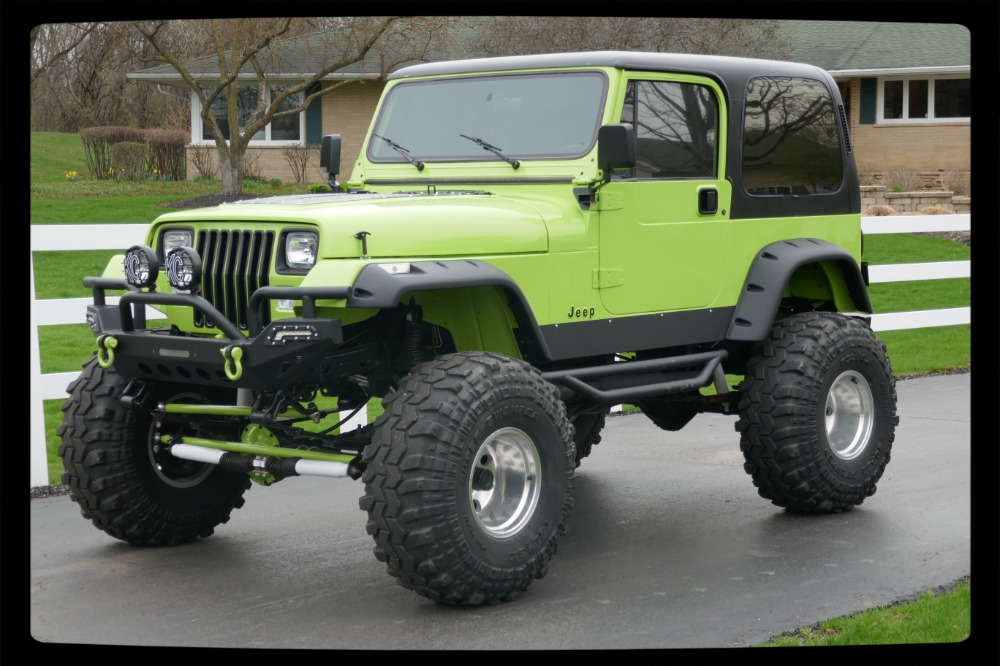
- Bigger tires: You can fit tires up to 33” with a 2–4 inch lift.
- Better off-road clearance: Obstacles are easier to handle.
- Possible vibration: Driveshaft angles may change. If you feel shaking, check your driveshaft and consider adding a SYE (slip yoke eliminator).
| Lift Height | Max Tire Size | Common Modifications Needed |
|---|---|---|
| 2 inches | 31” tires | None or minor trimming |
| 4 inches | 33” tires | Longer brake lines, SYE, possible gear ratio change |
| 6 inches | 35” tires | Major upgrades: steering, axle, gear ratios |
Common Mistakes And How To Avoid Them
Many Jeep owners make mistakes when lifting their YJ. Here are two that beginners often miss:
- Ignoring driveshaft angles: A high lift can cause vibration. Install a SYE or adjustable control arms to fix this.
- Not upgrading brake lines: With a suspension lift, your brake lines might be too short. Replace them with longer ones to avoid snapping.
Other mistakes include:
- Using cheap kits that rust quickly
- Skipping alignment after the lift
- Forgetting to torque bolts to spec
Practical Tips For A Smooth Lift
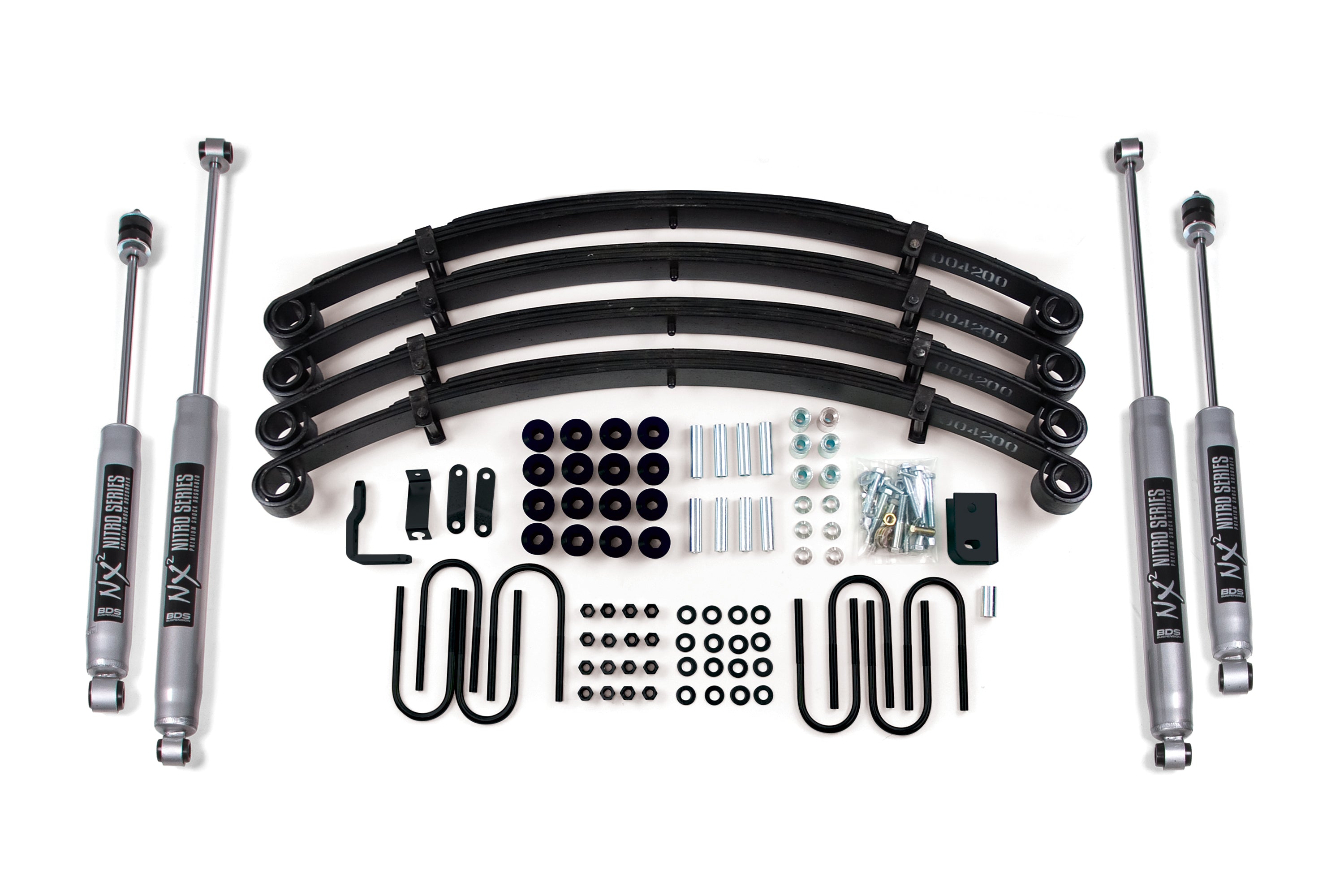
- Research brands: Choose a reputable lift kit. Check reviews and forums for real-world feedback.
- Plan for future upgrades: If you want bigger tires later, choose a lift that supports them.
- Check local laws: Some states limit lift heights or tire sizes.
A helpful resource is ExtremeTerrain, which compares YJ lift kits and their features.
Frequently Asked Questions
How Much Does It Cost To Lift A Jeep Yj?
Basic kits start at $150 for body lifts. Suspension lifts can range from $400 to $1,200. Professional installation adds $500–$1,000.
What’s The Best Lift Height For A Daily Driver?
A 2–2.5 inch suspension lift is best for daily use. It improves clearance without hurting handling.
Can I Fit 33-inch Tires With A 2-inch Lift?
You may need some fender trimming or wheel spacers. Most YJs with a 2-inch lift can handle 31-inch tires easily.
Will Lifting Affect My Fuel Economy?
Yes, especially with larger tires. Expect a drop of 1–3 mpg, depending on tire size and weight.
Do I Need Special Tools For Lifting?
Most lifts need common tools like jack stands and wrenches. Suspension lifts may require a spring compressor and torque wrench.
Lifting your Jeep YJ is a rewarding project. With careful planning and the right kit, you’ll enjoy better off-road performance and a custom look. Always check your work, get an alignment, and drive safely.