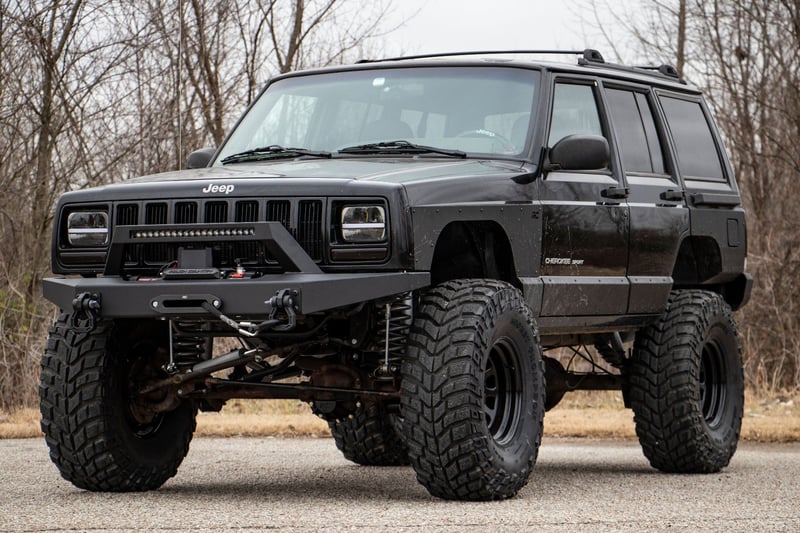
Lifting a Jeep XJ is a popular project among off-road enthusiasts and anyone looking to improve the look and capability of their vehicle. The Jeep XJ, also known as the Cherokee XJ, was produced from 1984 to 2001 and remains a favorite for modifications.
Whether you want to tackle rugged trails, fit larger tires, or simply make your XJ stand out, lifting it can deliver big benefits. However, the process requires careful planning, the right parts, and attention to detail.
This guide will help you understand the key steps, common mistakes, and important considerations for lifting your Jeep XJ safely and effectively.
Understanding Jeep Xj Lift Types
Before you start, you need to choose the lift type that fits your goals and budget. There are three main options:
- Budget Boost (Spacer Lift): Uses coil spacers and add-a-leaf kits. Offers 1-2 inches of lift. It’s affordable but limited in performance.
- Suspension Lift Kit: Replaces springs and shocks for 2-6 inches of lift. Provides better ride quality and off-road capability.
- Long Arm Kit: Replaces stock control arms with longer ones for improved suspension geometry. Designed for lifts over 4 inches and serious off-roading.
Here’s a quick comparison:
| Lift Type | Height (inches) | Cost Range | Difficulty |
|---|---|---|---|
| Budget Boost | 1-2 | $100-$300 | Easy |
| Suspension Lift Kit | 2-6 | $400-$1500 | Moderate |
| Long Arm Kit | 4-8 | $1500-$3000 | Hard |
For most daily drivers or mild trail use, a 2-3 inch suspension lift kit is the best balance. Long arm kits are for advanced builds.
Planning Your Jeep Xj Lift
Proper planning will save you time and money. Here are key steps:
- Decide your lift height based on intended use. Over 3 inches often requires extra modifications.
- Choose the right kit for your budget and skill level.
- Check local laws about lifted vehicles.
- Make a list of tools: Jack, jack stands, wrenches, spring compressor, torque wrench.
One insight many beginners miss is that higher lifts often require upgrades to steering, brake lines, and driveshafts. For example, a 4-inch lift may need a slip yoke eliminator and longer brake lines.
Step-by-step: Lifting Your Jeep Xj
Lifting your Jeep XJ isn’t just about swapping springs. Follow these steps for a safe, effective lift:
1. Prepare Your Workspace
- Park on a flat surface.
- Set the parking brake.
- Wear safety glasses and gloves.
2. Remove Wheels And Suspension Components
- Use a hydraulic jack to lift the Jeep.
- Place jack stands under frame rails.
- Remove wheels and disconnect shocks, sway bars, and brake lines.
3. Install New Springs And Shocks
- Compress and remove old springs (use a spring compressor).
- Install new springs and shocks per kit instructions.
- For rear, swap leaf springs or add-a-leaf.
4. Address Supporting Components
Most beginners forget these critical steps:
- Replace or extend brake lines if lifted over 3 inches.
- Install track bar relocation brackets for proper axle alignment.
- Check driveshaft angles; install a slip yoke eliminator for lifts over 3 inches.
5. Reconnect, Torque, And Inspect
- Reconnect sway bars, brake lines, and shocks.
- Torque all bolts to factory specs.
- Double-check for clearance issues.
6. Reinstall Wheels And Lower Jeep
- Mount wheels.
- Lower Jeep carefully.
- Check ride height and clearances.
Here’s a comparison of typical lift heights vs. tire sizes:
| Lift Height | Max Tire Size | Notes |
|---|---|---|
| 2 inches | 31″ | Minimal trimming |
| 3 inches | 32″ | Some fender trimming needed |
| 4+ inches | 33″-35″ | Major trimming, gearing upgrade recommended |
Post-lift Adjustments And Safety Checks
After lifting your Jeep XJ, do these checks:
- Get a professional alignment to avoid uneven tire wear.
- Inspect brake lines for stretching.
- Test suspension travel for binding.
- Check steering for play or vibration.
One mistake many new lifters make is skipping alignment and driving with poor handling. This can damage tires and suspension.

Common Mistakes To Avoid
- Ignoring Driveshaft Angles: Lifts over 3 inches often cause vibration unless corrected with a slip yoke eliminator.
- Skipping Brake Line Upgrades: Brake lines can snap if not extended.
- Not Upgrading Shocks: Using stock shocks with lifted springs leads to poor ride quality.
- Failing to Re-Torque Bolts: Loose bolts are a safety hazard.
Here’s a quick reference for common upgrades needed by lift height:
| Lift Height | Needed Upgrades |
|---|---|
| 1-2 inches | None or minor (shocks) |
| 3 inches | Brake lines, track bar, shocks |
| 4+ inches | Slip yoke eliminator, driveshaft, steering, brake lines |
Final Tips For A Successful Jeep Xj Lift
- Always use quality lift kits from reputable brands.
- Read instructions carefully.
- Consider professional help if unsure.
- Test drive and listen for noises or vibration.
For extra guidance and safety tips, visit the official Jeep website.
Lifting your Jeep XJ can transform its look and performance. With careful planning, the right parts, and attention to detail, you’ll enjoy a safer, more capable vehicle both on and off-road.

Frequently Asked Questions
How Much Does It Cost To Lift A Jeep Xj?
The cost depends on the lift type and height. A basic budget boost is $100-$300, while a full suspension kit can be $400-$1500. Long arm kits for serious off-roading may cost $1500-$3000 or more.
Can I Lift My Jeep Xj At Home?
Yes, if you have basic tools and mechanical skills. For lifts over 3 inches, consider professional help due to the need for advanced upgrades and alignment.
What Size Tires Fit After Lifting A Jeep Xj?
With a 2-inch lift, 31-inch tires fit easily. A 3-inch lift supports 32-inch tires with some trimming. Lifts over 4 inches allow up to 35-inch tires but require major modifications.
Will Lifting My Jeep Xj Affect Handling?
Yes, especially with higher lifts. Handling may feel looser or more bouncy.
Proper alignment and upgraded shocks help maintain safe handling.
Is A Slip Yoke Eliminator Necessary For A Lifted Jeep Xj?
For lifts over 3 inches, a slip yoke eliminator is recommended to prevent driveline vibration and protect the transfer case. It’s not needed for smaller lifts.