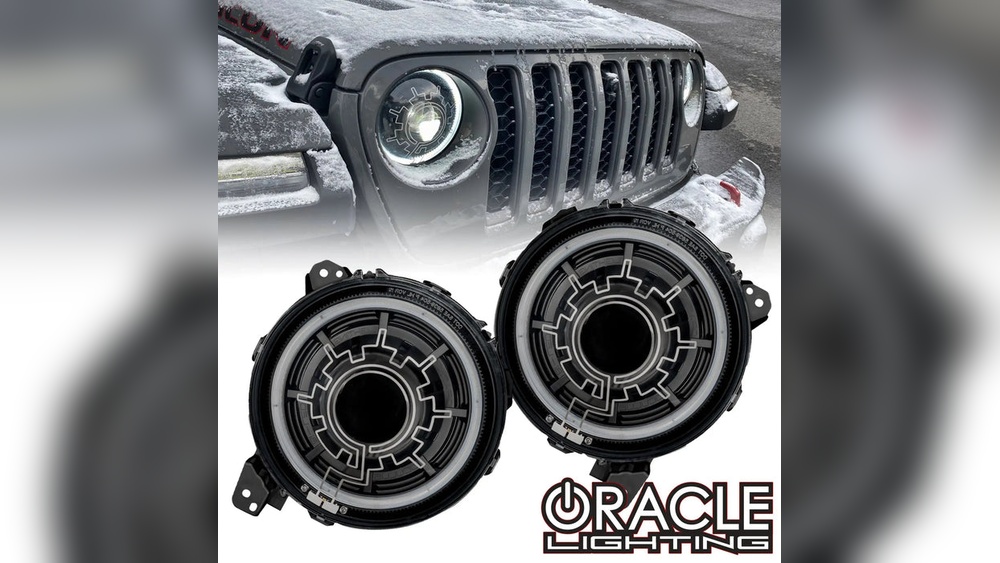
When winter arrives, many drivers notice a problem: snow and ice can cover their LED headlights, making it hard to see and be seen. Unlike older halogen bulbs, LED headlights stay cool and don’t melt snow as easily.
This can be dangerous, especially at night or in heavy snowfall. If you want to keep your headlights clear and safe, there are practical steps and solutions you should know.
Why Led Headlights Collect Snow
LEDs are popular for their energy efficiency and bright, white light. But they generate far less heat than halogen or HID bulbs. In freezing weather, this means snow and slush stick to the lens instead of melting away.
Here’s a comparison of headlight types and their heat output:
| Type | Heat Output | Snow Melting Ability |
|---|---|---|
| Halogen | High | Melts snow quickly |
| HID | Medium | Melts snow slowly |
| LED | Low | Rarely melts snow |
This is why LED headlights often get covered and block light during storms.
Best Ways To Prevent Snow Buildup
Keeping your headlights clear takes a mix of preparation and quick action. Here are the most effective methods:
1. Apply A Hydrophobic Coating
Many products create a water-repellent layer on your headlights. These coatings make it harder for snow and slush to stick. You can use sprays made for car glass or special plastic-safe treatments.
- Clean the lens first.
- Apply the coating as directed.
- Reapply every few weeks for best results.
2. Use Headlight Covers
Plastic or vinyl headlight covers can offer some protection. They help prevent snow from sticking directly to the lens. Some covers are even heated, plugging into your car’s electrical system for extra effectiveness.
3. Warm Up Your Vehicle
When possible, let your car warm up with the headlights on before driving. Even though LEDs stay cool, the engine heat can help warm the area around the lights, melting some snow.
4. Manual Cleaning
Before and during a trip, check your headlights and wipe off any snow. Keep a soft brush or cloth in your car. Avoid scraping with hard objects, which can scratch the lens.
5. Install Heated Headlights
Some vehicles offer heated headlight options, especially in colder regions. These systems use built-in heating elements to keep lenses clear. They are more common in high-end or European cars, but aftermarket kits are available.
6. Improve Airflow
Some drivers add air deflectors or vents near the headlights. This can help direct warmer engine air across the lens, reducing buildup. However, this requires careful installation and may not be practical for all cars.
7. Use Silicone-based Sprays
Spraying a thin layer of silicone lubricant on the headlight can also reduce snow sticking. Make sure the product is safe for plastic lenses and won’t cause discoloration.

What Not To Do
Some tricks you see online can damage your headlights or even break the law. Avoid these common mistakes:
- Do not use hot water on cold headlights; it can crack the lens.
- Avoid taping over your headlights, which reduces light output and may be illegal.
- Don’t use cooking spray or other greasy products—they attract dust and damage plastic.
Comparing Solutions: Cost, Ease, And Effectiveness
Not all solutions fit every budget or skill level. Here’s a quick comparison:
| Method | Cost | Ease of Use | Effectiveness |
|---|---|---|---|
| Hydrophobic Coating | Low | Easy | Moderate |
| Headlight Covers | Medium | Easy | Good |
| Heated Headlights | High | Moderate/Hard | Excellent |
| Manual Cleaning | None | Easy | Varies |
| Silicone Spray | Low | Easy | Moderate |
For most drivers, hydrophobic coatings and manual cleaning are the easiest starting points.
Two Surprising Tips Most Drivers Miss
- Check your parking direction: If possible, park your car so the headlights face away from the wind. This reduces how much snow blows onto the lens.
- Adjust headlight aim: If your headlights point too far upward, snow can pile up faster. A proper downward aim helps shed snow as you drive.
These small changes can make a real difference on snowy days.
Maintenance Tips For Winter
- Inspect your headlights regularly for cracks or chips that can collect extra snow.
- Replace old or yellowed lenses, which are more likely to freeze up.
- Keep your windshield washer fluid topped up—spraying the area near headlights can help clear light slush.
How Led Headlight Snow Issues Affect Safety
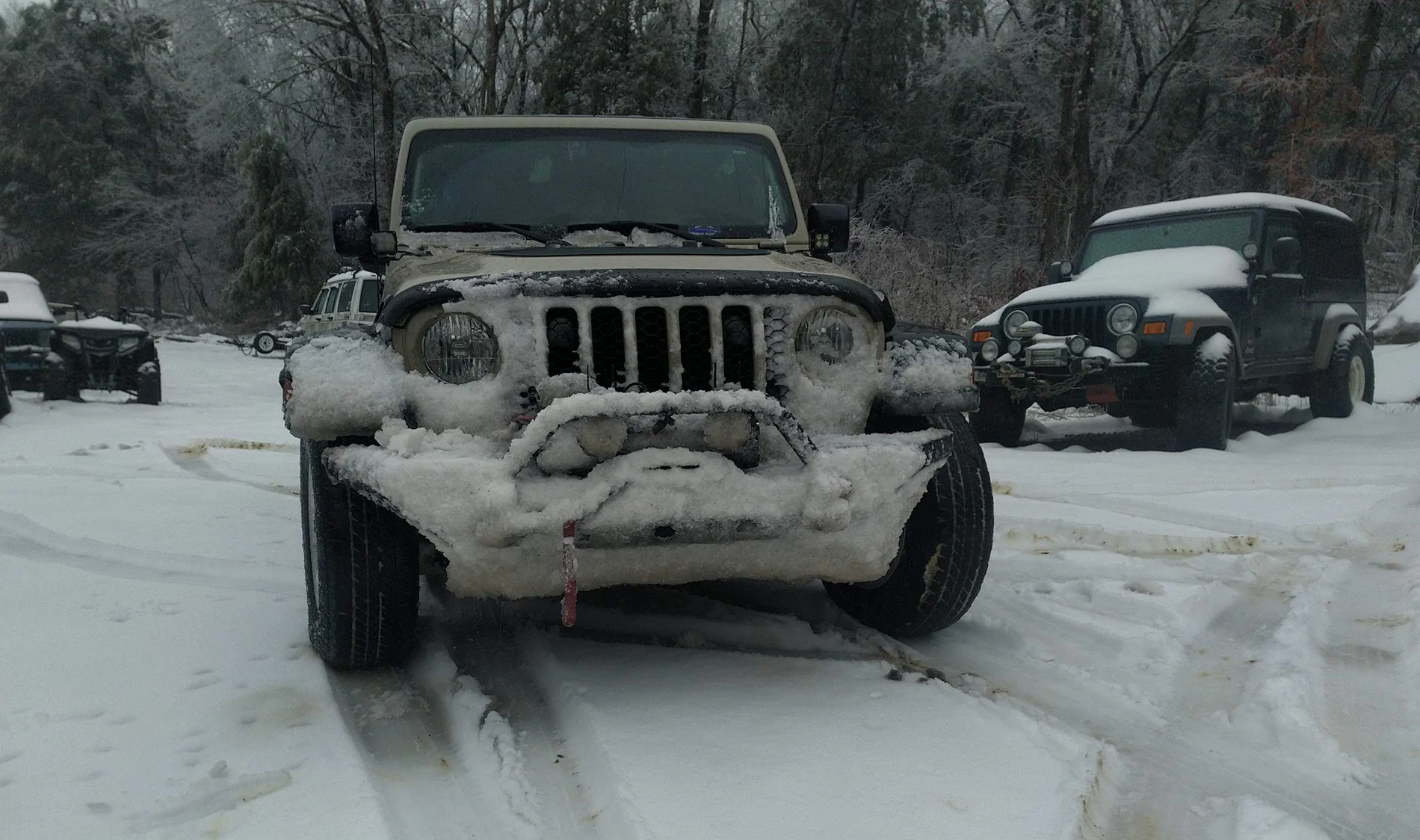
Blocked headlights are more than an inconvenience—they are a safety risk. According to the National Highway Traffic Safety Administration (NHTSA), poor headlight performance is a factor in thousands of nighttime crashes each year. In snowy areas, drivers with blocked headlights are harder to see and have less time to react.
One study found that LED headlights can lose up to 60% of their light output when covered in snow. Just a thin layer can make a big difference.
When To Upgrade Or Seek Professional Help
If you drive often in harsh winter conditions, upgrading to heated headlights or seeking an expert installation may be worth the investment. Aftermarket heated lens kits are available, but require electrical work. Always follow local laws, as some upgrades may not be allowed everywhere.
If your headlights fog up inside, have a professional check the seals. Moisture inside the lens makes snow sticking worse.
Frequently Asked Questions
Why Don’t Led Headlights Melt Snow Like Halogen Bulbs?
LEDs are energy-efficient and produce very little heat compared to halogen bulbs. This means they don’t get hot enough to melt snow or ice that lands on the headlight lens.
Are Heated Headlight Covers Effective?
Yes, heated covers can prevent snow buildup by warming the lens surface. They are most effective in extremely cold or snowy climates, but can be costly to install.
Can I Use Windshield Washer Fluid On My Headlights?
While some washer fluids help remove light snow and ice, they may not be strong enough for heavy buildup. Never use fluids with strong chemicals on plastic lenses, as they can cause damage over time.
How Often Should I Reapply Hydrophobic Coating?
Most coatings last 2–4 weeks in winter conditions. It’s best to reapply after washing your car or after heavy storms to keep protection strong.
Will Aftermarket Solutions Affect My Car’s Warranty?
Some aftermarket products—like heated kits—may affect your warranty if they require electrical changes. Always check your vehicle’s manual and consult your dealer before making major modifications. For more advice, see the NHTSA’s headlight safety guidelines.
Keeping snow off your LED headlights takes a little effort, but the right steps make winter driving safer and less stressful. Try these solutions and see which work best for your vehicle and climate. Safe travels!