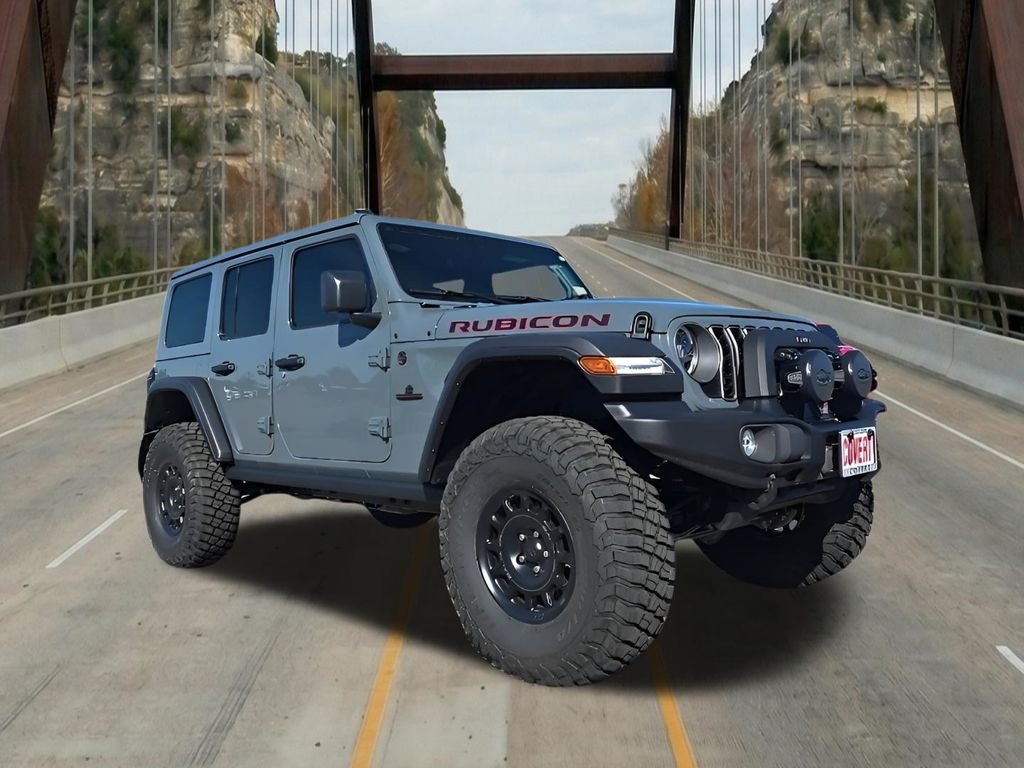
Owning a Jeep Wrangler is a source of pride for many, but keeping its fenders looking bold and black can be a challenge. Over time, sun, mud, road salt, and harsh cleaning products can cause fading and discoloration.
If you want your Jeep to turn heads on and off the trail, maintaining those black fenders is essential. This guide will show you practical steps, top products, and expert tips to keep your Wrangler’s fenders deep black for years.
Why Jeep Wrangler Fenders Fade
The fenders on most Jeep Wranglers are made from textured plastic. While strong, this material is sensitive to environmental factors. UV rays from the sun break down the plastic’s surface, causing it to turn chalky and gray. Road debris, salt, and chemicals speed up this process. Even using the wrong cleaning products can strip away the protective layer, making fading worse.

A surprising detail many owners miss: new Jeeps can start fading in less than a year if left unprotected in the sun. Prevention is much easier—and cheaper—than fixing serious fading later.
Essential Cleaning Routine
Regular cleaning is the foundation of fender care. Here’s how to do it right:
- Rinse with water to remove loose dirt and grit. Use a hose, not a pressure washer, to avoid damaging the surface.
- Use a gentle car shampoo—never dish soap. Harsh soaps can strip away protective oils from the plastic.
- Scrub with a soft brush or microfiber mitt. Focus on seams and corners, where grime builds up.
- Rinse thoroughly and dry with a microfiber towel.
Many owners use household cleaners, but these often contain degreasers or bleach that harm plastic. Stick to products labeled safe for exterior trim.
Restoring Faded Fenders
If your fenders already look gray, restoration is still possible. There are two main approaches: using a plastic restorer or a dye-based product.
Comparing Plastic Restorers And Dyes
Here’s a quick comparison of the two solutions:
| Product Type | How It Works | Longevity | Best For |
|---|---|---|---|
| Plastic Restorer | Replenishes oils, darkens surface | 1-3 months | Mild to moderate fading |
| Dye-Based Solution | Permanently recolors plastic | 6-12 months | Severe fading or chalking |
Application Tips:
- Clean fenders thoroughly before applying any product.
- Use gloves to protect your hands.
- Apply in a shaded area for best results.
A hidden fact: many “quick shine” sprays only last until the first rain. Quality restorers or dyes bond better and last much longer.
Protection Against Uv And Weather
After cleaning or restoring, it’s crucial to protect the fenders from further damage. UV protection is the most important factor.
Leading Fender Protectants
There are many products, but the best ones include UV blockers and hydrophobic agents. Here’s how the top options compare:
| Product | UV Protection | Water Repellency | Finish |
|---|---|---|---|
| 303 Aerospace Protectant | Excellent | Good | Matte |
| Meguiar’s Ultimate Black | Very Good | Moderate | Deep Black |
| Chemical Guys Trim Gel | Good | Good | Glossy |
Apply these products every 1 2 months. Always let them dry fully before driving in rain or mud.

Avoiding Common Mistakes
Many Jeep owners unknowingly make choices that speed up fading. Here are mistakes to watch for:
- Using pressure washers too close can damage the plastic.
- Applying tire shine or silicone sprays. These might look good at first but attract dust and break down the plastic over time.
- Parking in direct sunlight for long periods without protection.
- Skipping regular washing, letting salt and grime sit for weeks.
A little prevention goes a long way. Even simple steps like parking in the shade or using a car cover can slow fading.
Advanced Fender Care Tips
Experienced owners know a few extra tricks to keep fenders looking their best:
- Clay bar treatment: Occasionally use a clay bar to remove stubborn contaminants. This preps the surface for protectant.
- Heat gun method: For severe fading, carefully passing a heat gun over the plastic can temporarily restore color. This is risky and should only be tried if you’re confident with the tool.
- Clear ceramic coatings: Some pros now apply ceramic coatings to plastic trim. These coatings last over a year and add deep shine plus strong UV protection.
Remember, always test any new product or method on a small area first.
Long-term Maintenance Plan
To keep your Jeep Wrangler fenders black year-round, follow this simple schedule:
- Monthly: Wash, dry, and apply UV protectant.
- Every 3-6 months: Use a quality restorer if you notice fading.
- Annually: Deep clean with clay bar and consider reapplying a dye or ceramic coating if needed.
Tracking these steps in your phone calendar helps keep you on schedule.
Frequently Asked Questions
How Often Should I Apply Fender Protectant?
For best results, apply a UV protectant every 4–6 weeks, especially during summer or if your Jeep is parked outside.
Can I Use Household Products To Clean My Fenders?
It’s safer to use car-specific products. Household cleaners may contain harsh chemicals that damage plastic and speed up fading.
Is Painting Fenders A Good Idea For Restoring Color?
Painting can restore color but requires careful prep and the right products. Many owners prefer dye-based restorers as they are easier and don’t chip like paint.
What Should I Do If My Fenders Are Already Chalky And Rough?
Start with a deep clean, then use a dye-based restorer. If the surface is very rough, a light sanding (with fine grit) can help before applying the product.
Where Can I Learn More About Jeep Wrangler Care?
For more in-depth information and Wrangler community tips, visit the official Jeep Wrangler site.
Keeping your Jeep Wrangler’s fenders black is more than just cosmetic it protects your investment and keeps your ride looking sharp. With the right routine and a few pro tips, your fenders can stay bold and black, no matter where your adventures take you.