Flushing the coolant system in your Jeep Wrangler is more important than many drivers realize. Over time, coolant breaks down and loses its ability to protect your engine.
Old coolant can cause corrosion, overheating, and even engine failure. Performing a flush every 30,000 to 50,000 miles—or as your owner’s manual suggests—keeps your Jeep running smooth and prevents expensive repairs.
This guide walks you through the process step-by-step, explains key details, and highlights common mistakes you should avoid.
Why Flushing Your Coolant Matters
Coolant isn’t just about keeping your engine cool. It also prevents rust and lubricates parts like the water pump. When it gets old, it can turn acidic and damage metal surfaces inside your engine. Most mechanics agree that regular flushing is the best way to keep a Jeep Wrangler healthy. According to the Automotive Service Association, up to 40% of engine failures are linked to poor cooling system maintenance.
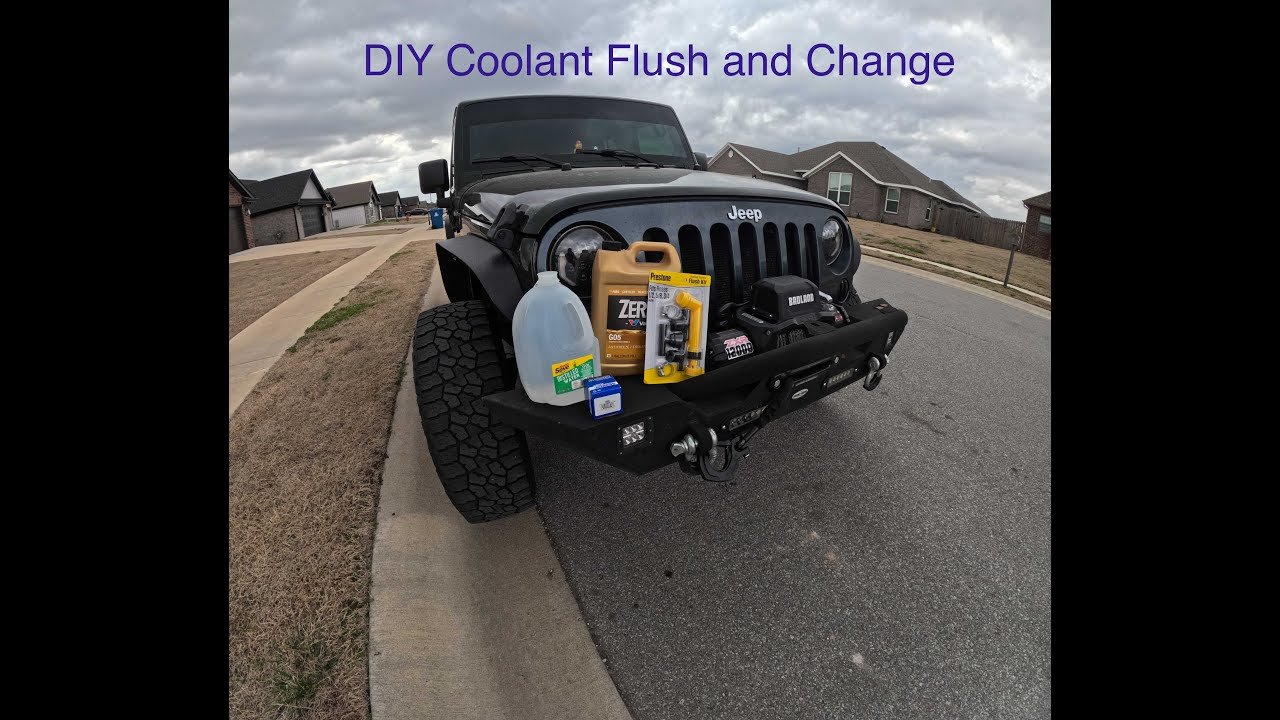
What You’ll Need
Gather these tools and supplies before you start:
- Fresh coolant (check your manual for the right type)
- Distilled water (never use tap water)
- Large drain pan (at least 2 gallons)
- Socket set or wrench
- Funnel
- Gloves and safety glasses
- Screwdriver (flathead)
- Shop towels or rags
Having everything ready makes the job faster and safer.
Step-by-step: Flushing Your Jeep Wrangler’s Coolant System
1. Prepare Your Vehicle
Let your Jeep cool completely before starting. Hot coolant can cause serious burns. Park on a flat surface and set the parking brake. Open the hood and locate the radiator cap and coolant reservoir.
2. Drain Old Coolant
- Place your drain pan under the radiator.
- Remove the radiator cap carefully.
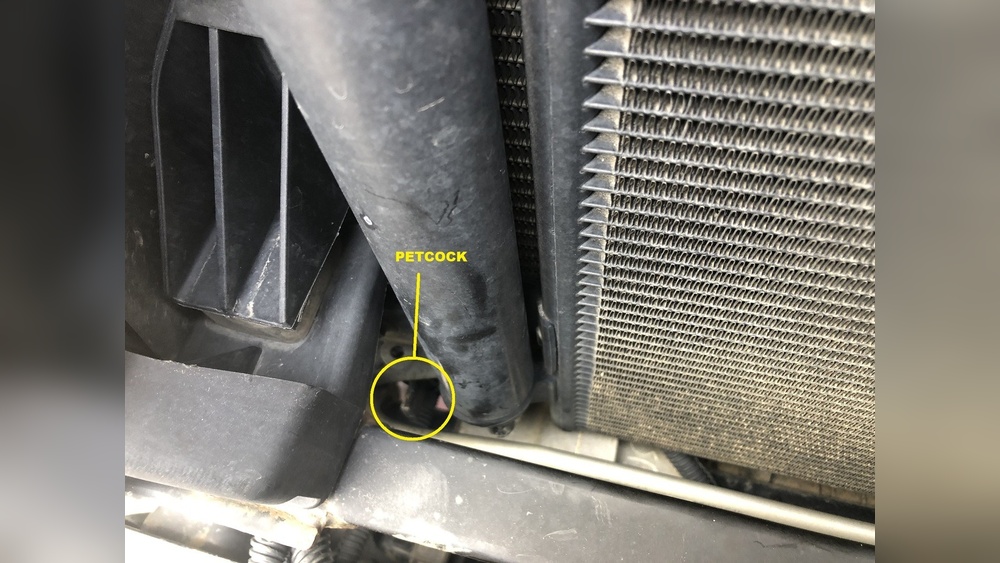
- Find the radiator drain plug (usually bottom driver’s side).
- Loosen the plug with a wrench, let coolant drain fully.
- Remove the reservoir cap and let any extra coolant flow out.
Dispose of old coolant properly it’s toxic. Local auto shops often accept used coolant.
3. Flush With Water
- Close the drain plug.
- Fill radiator with distilled water (not tap water).
- Replace the radiator cap.
- Start your engine and let it run for 10–15 minutes with heater on high.
- Turn off the engine and let it cool down.
- Drain the water out as before.
Repeat this flush until water runs clear (usually 2 3 times).
4. Add Fresh Coolant
- Close the drain plug securely.
- Use a funnel to pour the correct mix of coolant and distilled water (most Jeeps use a 50/50 mix).
- Fill the radiator until full, then fill the reservoir to the “MAX” line.
- Replace all caps.
5. Bleed Air From The System
Air pockets can cause overheating. To remove air:
- Start your engine with the radiator cap off.
- Let it idle until the thermostat opens (watch for coolant movement).
- Top up coolant if needed.
- Replace the cap.
Check for leaks around the radiator and hoses.
Coolant Types And Compatibility
Using the wrong coolant can damage your engine. Jeep Wranglers usually require HOAT or OAT coolant types. Check your owner’s manual or the label on the coolant bottle. Here’s a quick comparison:
| Coolant Type | Color | Recommended For |
|---|---|---|
| HOAT | Orange, Yellow | 2002–2012 Wranglers |
| OAT | Pink, Purple | 2013+ Wranglers |
| Green | Green | Older Jeeps (pre-2002) |
Never mix coolant types they can react and block your radiator.
Signs Your Coolant Needs Flushing
Many drivers miss the early warning signs. Here are some clues:
- Engine runs hotter than usual
- Coolant looks rusty or dirty
- Sweet smell under the hood
- Low coolant level
- Heater doesn’t work well
If you notice any of these, a flush is overdue.
Common Mistakes To Avoid
Some mistakes can cause big problems:
- Using tap water instead of distilled (leads to deposits)
- Forgetting to bleed air (causes overheating)
- Mixing different coolant types (can block radiator)
- Over-tightening drain plug (can crack radiator)
- Ignoring leaks after refill (risk of engine damage)
Take your time and check your work.
Maintenance Schedule Comparison
How often should you flush? It depends on your Jeep and driving conditions:
| Wrangler Model | Flush Interval | Coolant Capacity |
|---|---|---|
| YJ (1987–1995) | Every 2 years | 9.5 quarts |
| TJ (1997–2006) | Every 3 years | 10.5 quarts |
| JK (2007–2018) | Every 5 years | 14 quarts |
| JL (2018+) | Every 5 years | 14 quarts |
Heavy off-road use may require more frequent flushing.
Real-world Example
A 2015 Jeep Wrangler owner noticed engine overheating during summer. After flushing the coolant system, the engine temperature dropped by 15°F.
The heater also worked better, and fuel efficiency improved slightly. Many Jeep owners share similar stories regular flushing can solve hidden problems.
Pro Tips For Jeep Owners
- Always use a funnel to avoid spills.
- Check hoses for cracks while flushing.
- Test your coolant with a hydrometer for proper mix.
- Record the date and mileage after every flush.
For more details, check the official Jeep Owner’s Site.
Frequently Asked Questions
How Often Should I Flush My Jeep Wrangler’s Coolant System?
Most Jeep Wranglers need a flush every 30,000 to 50,000 miles or every 3–5 years, depending on model and usage.
Can I Use Tap Water Instead Of Distilled Water?
No. Tap water contains minerals that can cause deposits and corrosion. Always use distilled water.
What Happens If I Mix Coolant Types?
Mixing coolant types can cause a chemical reaction that blocks the radiator and damages the engine. Always use the correct type.
How Much Coolant Does A Jeep Wrangler Need?
Most Wranglers require 10–14 quarts of coolant, depending on the model year. Check your owner’s manual for the exact amount.
Is Flushing The Coolant System A Diy Job Or Should I Go To A Mechanic?
Flushing is a DIY-friendly job for most Jeep owners with basic tools. If you are unsure or notice leaks, consult a professional mechanic.
Regular coolant flushes keep your Jeep Wrangler reliable, safe, and ready for any adventure. Take care of your cooling system and your Jeep will reward you with years of smooth driving.