A Power Wheels Jeep brings joy to kids and families, but it can be frustrating when it stops working. Whether it’s a dead battery, broken wheels, or wiring problems, fixing your Power Wheels Jeep is often easier than you think.
This guide will help you diagnose and repair common issues, even if you have little experience with toys or electronics. With a bit of patience and the right approach, you can restore your child’s favorite ride and avoid unnecessary replacement costs.
Diagnosing The Problem
Before you start fixing, identify what’s wrong. Most Power Wheels Jeeps have four main trouble areas: battery, motor, wiring, and wheels. A careful diagnosis saves time and prevents replacing parts that aren’t broken.
- Battery: Does the Jeep turn on? If not, the battery is the likely culprit. Sometimes, the Jeep may turn on briefly and then stop, which also suggests battery weakness.
- Motor: If the Jeep turns on but won’t drive, the motor may be faulty. Motors often show signs before they fail, such as slower movement or strange sounds.
- Wiring: Lights or controls not working usually mean wiring issues. Wiring problems can cause intermittent failures, where the Jeep works one moment and not the next.
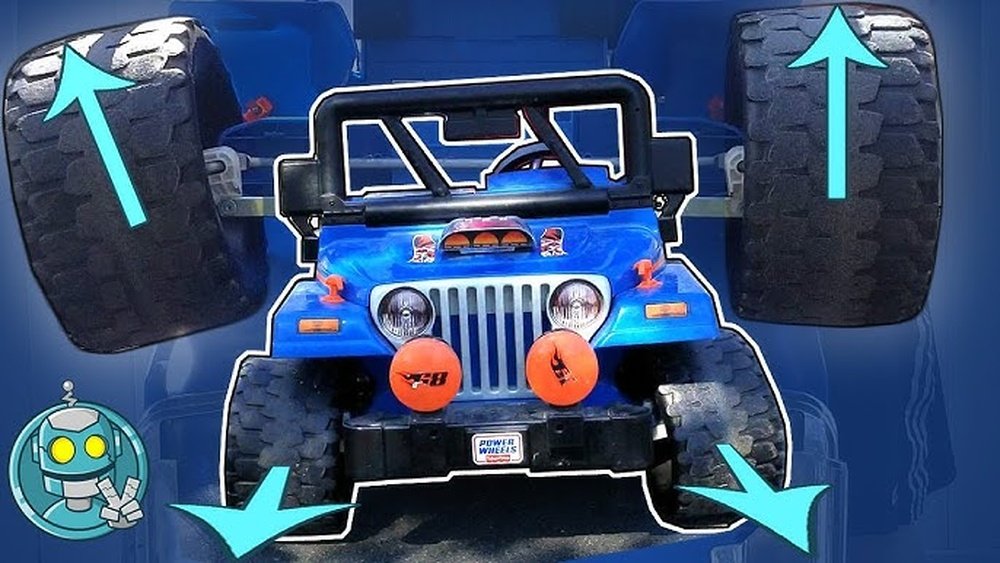
- Wheels: If the Jeep moves unevenly or makes noise, check the wheels. Loose wheels can create a wobbling effect or even prevent movement.
Here’s a quick reference table for symptoms and possible causes:
| Symptom | Possible Cause | Quick Test |
|---|---|---|
| No power | Dead battery | Test with voltmeter |
| Won’t move | Bad motor or wiring | Listen for motor noise |
| Lights out | Loose wire | Check connections |
| Wonky wheels | Broken axle | Inspect wheels |
Non-obvious insight: The Jeep’s behavior can change with different loads. If it works with no child but stops when your child sits inside, the battery or motor might be too weak to handle the weight.
Fixing Battery Issues
The battery is the most common problem. Power Wheels Jeeps usually use a 12V battery. If your Jeep won’t turn on, follow these steps:
- Remove the battery and clean the terminals. Use a dry cloth; corrosion can block electrical flow.
- Use a voltmeter to check voltage. If below 10V, it’s likely dead. Even if it’s above 10V, but the Jeep runs only for a short time, the battery may be nearing the end of its life.
- Try charging the battery for 12–14 hours. Make sure the charger is plugged in properly and the indicator light (if present) is on.
- If it still doesn’t work, replace the battery. Some batteries may show full voltage but lack capacity, so testing with a load (running the Jeep) is helpful.
When buying a replacement, match the voltage and connector type. Don’t forget to check the size; some battery compartments are tight.
Here’s a comparison of popular Power Wheels batteries:
| Battery Model | Voltage | Capacity (Ah) | Average Price |
|---|---|---|---|
| Fisher-Price 12V | 12V | 9.5 | $45 |
| Peg Perego 12V | 12V | 8 | $50 |
| Generic 12V | 12V | 9 | $40 |
Pro tip: Many parents forget to check the charger. A bad charger won’t power up the battery, even if the battery is fine. If your charger has no indicator light, try charging another battery to rule it out.
Repairing Motor And Wiring
If the battery works but the Jeep won’t drive, check the motor and wiring. These parts are often easy to access with a screwdriver and a little patience.
Motor
- Listen for grinding or humming noises. If the motor is silent, it’s likely not getting power.
- Remove the motor cover and check for debris or broken parts. Toys can sometimes get stuck inside, or dirt can block movement.
- Test the motor directly with a battery. If it runs, wiring is the issue. Always use short wires and don’t touch moving parts.
Motors can sometimes be fixed by cleaning and lubricating. If the motor is burnt or smells bad, replacement is best.
Wiring
- Look for loose or disconnected wires. Tug gently on each wire to see if it’s secure.
- Use a multimeter to check continuity. This shows if electricity can flow through each wire.
- Secure any loose connections with electrical tape or solder. Don’t leave exposed wires—they can cause shorts.
A simple wiring issue can often be fixed in 10 minutes. One common mistake is forgetting to reconnect wires after working on the battery.
If you have trouble, check the manual for wiring diagrams.
Non-obvious insight: Some Jeeps have a reset button or fuse. If nothing works, check for these hidden features.
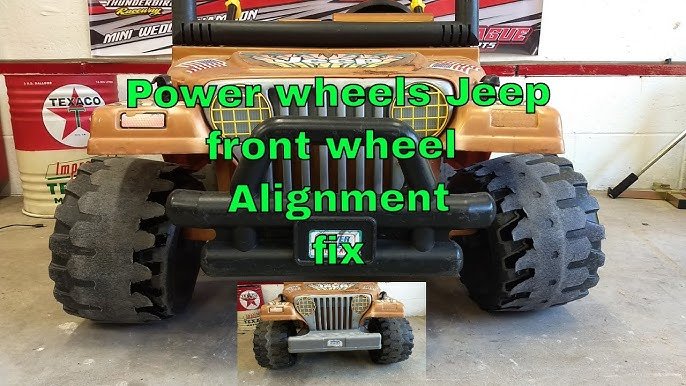
Fixing Wheel And Axle Problems
Power Wheels Jeeps are designed for rough play, so wheels and axles often wear out. These parts take a lot of stress, especially if the Jeep is used on rough terrain.
- Inspect wheels for cracks or missing rubber. Small cracks can grow quickly, so replace wheels early.
- Check the axle for bends or breaks. Bent axles cause uneven driving and can wear out wheels faster.
- Replace damaged wheels with matching parts. Generic wheels are available, but original parts fit best. Upgraded wheels are good for grass or gravel.
Here’s a comparison of wheel replacement options:
| Wheel Type | Material | Durability (Months) | Fit Quality |
|---|---|---|---|
| Original | Plastic/Rubber | 18 | Excellent |
| Generic | Plastic | 12 | Good |
| Upgraded | Rubber | 24 | Excellent |
Non-obvious insight: Upgraded rubber wheels last longer and offer better traction, but may cost more. For kids who drive often on pavement, rubber wheels can prevent slipping and make rides smoother.
How To Replace Parts
Replacing parts is simple if you follow these steps:
- Disconnect the battery for safety. This prevents shocks and accidental movement.
- Remove screws or clips holding the damaged part. Keep screws organized to avoid losing them.
- Swap in the new part and secure it. If the part doesn’t fit, check the model number.
- Reconnect the battery and test the Jeep. Always check all functions before letting your child ride.
Many parents rush and forget to reconnect the battery, causing unnecessary troubleshooting. Double-check all connections and screws before finishing.
Safety Checks Before Use
After any repair, always check:
- All wires are secure. Loose wires can cause shorts or stop the Jeep.
- Wheels are tight and spin freely. Loose wheels can fall off during use.
- Battery is fully charged. A weak battery can stop suddenly.
- Controls work smoothly. Test forward, reverse, and steering.
Pro tip: Test the Jeep on a flat surface before letting your child ride. This helps spot any issues before they cause trouble outside.

When To Seek Professional Help
If you notice burning smells, melted wires, or repeated failures, consult a technician. Sometimes, the control board or charger has issues that need expert attention. For more help, visit the official Power Wheels support at Mattel Service & Support.
If repairs keep failing, or you see smoke, stop immediately. Safety is more important than saving money.
Frequently Asked Questions
What Tools Do I Need To Fix A Power Wheels Jeep?
You’ll need a Phillips screwdriver, volt meter, electrical tape, and sometimes a socket wrench. Most repairs require only basic tools. For wiring, a multimeter is helpful.
How Long Does It Take To Fix Common Issues?
Simple fixes like battery or wiring repairs take 10–30 minutes. Wheel replacements may take up to 45 minutes. If you need to replace the motor, it might take about an hour, especially if it’s your first time.
Can I Use A Different Battery Brand?
Yes, as long as the voltage and connector match. Using the wrong battery can damage the Jeep. Always check the physical size as well, since some batteries are larger.
What Is The Typical Lifespan Of A Power Wheels Jeep Battery?
Most batteries last 1–3 years depending on usage and charging habits. Always charge fully and avoid overcharging. Storing the battery indoors during winter extends its life.
Are Upgraded Wheels Worth The Cost?
If your child rides often or on rough surfaces, upgraded rubber wheels are worth it. They offer better grip and last longer. For indoor-only use, original wheels are usually enough.
Fixing a Power Wheels Jeep is easier than most people think. With a few tools and careful checks, you can get your child’s favorite ride working again.
Most repairs can be done at home, saving money and time. Remember, the key is to diagnose carefully, follow safety steps, and test before use.
If you face a complex issue, don’t hesitate to ask for professional help. Your child’s safety and fun are worth the effort.
And with each repair, you gain confidence for future fixes, making playtime last even longer.