A leaking Jeep Wrangler hard top can turn any drive into a stressful experience. Water sneaking into your vehicle causes wet seats, foggy windows, and even mold.
Many Wrangler owners face this problem, especially during heavy rain or after washing their vehicle.
Fixing leaks is not just about comfort it's important for protecting your interior and keeping your Wrangler in good condition. In this guide, you’ll learn how to find the source of leaks, fix them step-by-step, and avoid common mistakes.
With a few tools and the right approach, you can restore your Wrangler’s hard top to a waterproof state.
Common Causes Of Jeep Wrangler Hard Top Leaks
Understanding where leaks usually happen will save you time. Most leaks fall into a few categories:
- Worn seals and gaskets: The rubber around windows, doors, and the hard top can crack or shrink.
- Loose latches or misalignment: Hard tops need to sit firmly on the body. If they shift, gaps appear.
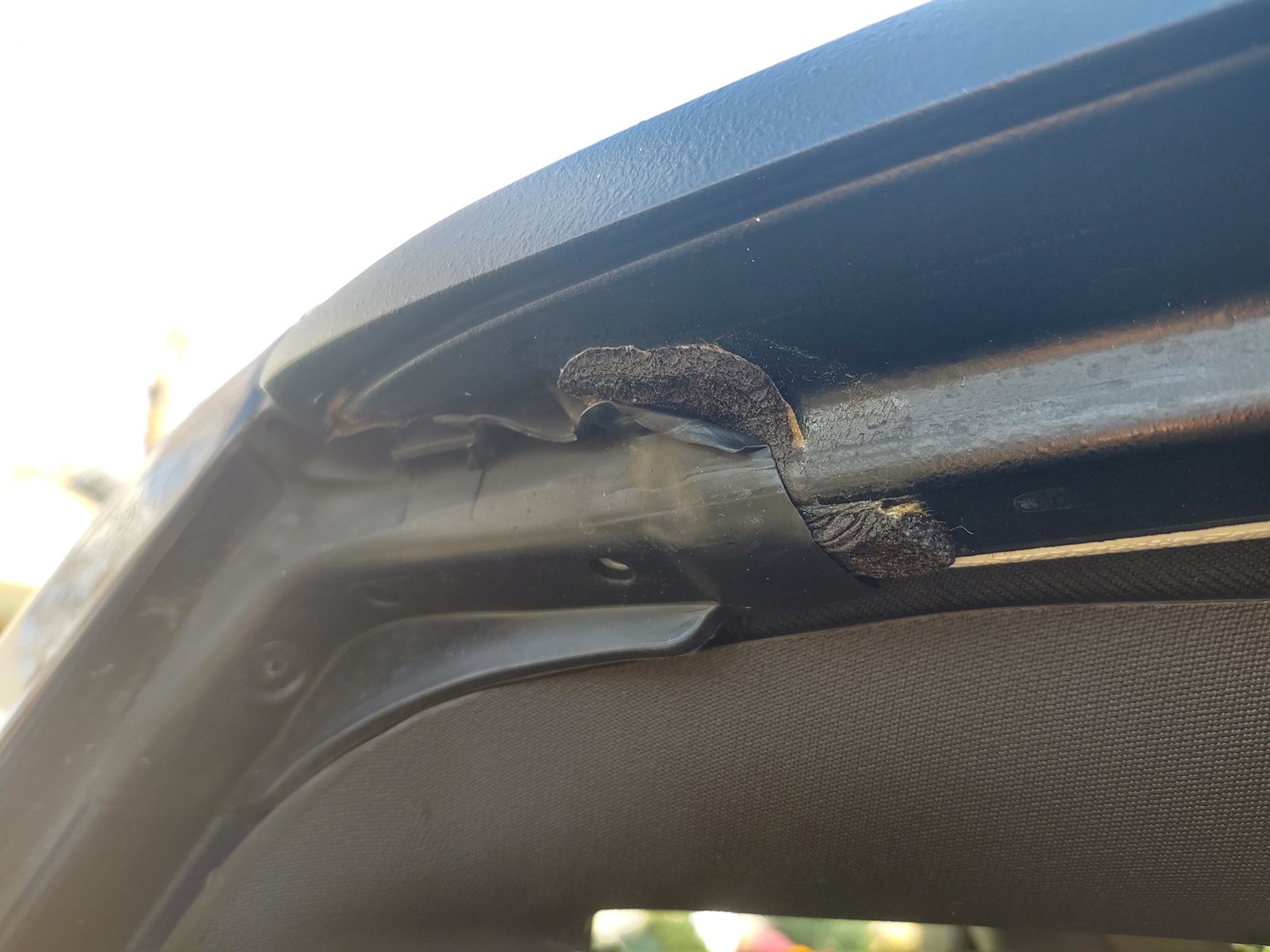
- Damaged hard top panels: Chips, cracks, or manufacturing flaws can let water inside.
- Clogged drainage channels: Water might overflow if channels are blocked.
Here’s a quick comparison of the main causes and their symptoms:
| Cause | Leak Location | Common Symptoms |
|---|---|---|
| Worn seals | Doors, windows | Drips on seats or floor |
| Loose latches | Hard top edges | Water near roll bars |
| Panel damage | Roof, corners | Visible cracks, wet headliner |
| Clogged drains | Door sills | Puddles on floor |
Diagnosing The Leak
Before fixing, you need to find the exact spot where water enters. Here’s how:
- Inspect seals and gaskets: Check for cracks, gaps, or signs of aging.
- Check alignment: Look at the hard top’s fit. It should sit flush with the body.
- Spray test: Use a hose or spray bottle. Start low pressure and watch for water coming inside. Move section by section.
- Look for water trails: After rain, follow wet marks to their starting point.
- Check drainage: Remove debris from channels and see if water flows freely.
Many owners miss hidden leaks at the hard top corners or where panels join. Sometimes, leaks are not from the roof but from the door seals. Be patient—finding the true source often takes time.
Fixing Leaks Step-by-step
Once you know where the leak is, you can start repairs. Here’s a clear process for each main cause:
Replacing Or Repairing Seals
- Buy OEM or quality aftermarket seals for your model. Costs range from $20 to $80 per seal.
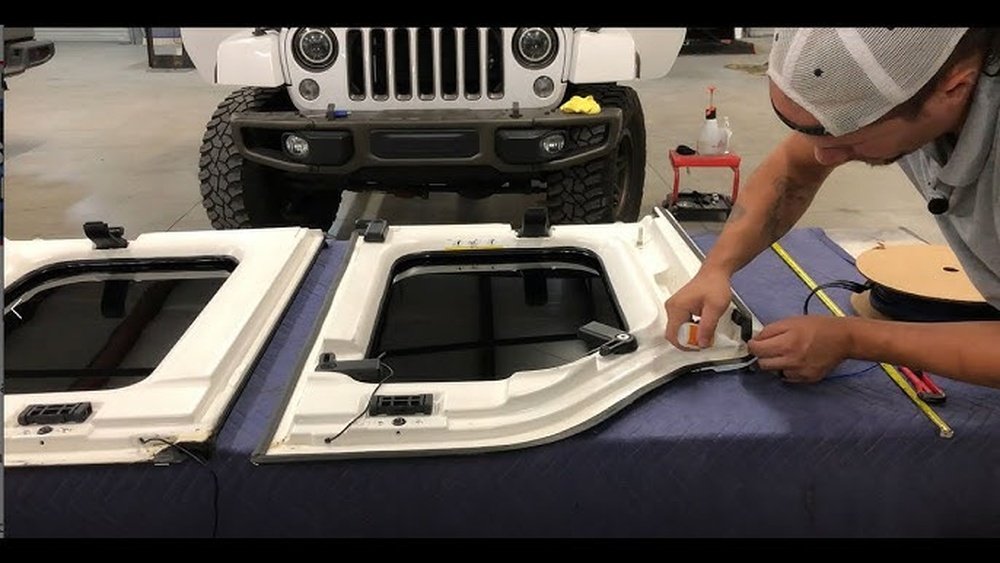
- Remove old seals with plastic tools to avoid scratching paint.
- Clean the area with rubbing alcohol. Dry fully.
- Install new seals, pressing them firmly in place.
- Wait at least 24 hours before exposing to water.
Adjusting The Hard Top
- Remove the hard top carefully (get help—these are heavy).
- Clean contact surfaces.
- Reinstall, aligning carefully. Tighten latches and bolts evenly.
- Check gaps using a flashlight—none should be visible.
Sealing Cracks And Gaps
- Buy automotive-grade silicone or sealant ($10–$30).
- Dry and clean the area.
- Apply sealant to cracks or gaps. Smooth with a finger or tool.
- Allow to cure for 24–48 hours.
Clearing Drainage Channels
- Open doors and locate drainage holes.
- Use compressed air or a flexible brush.
- Pour water to check flow—channels should drain outside, not inside.
Here’s a simple comparison of sealant options:
| Type | Water Resistance | Flexibility | Price |
|---|---|---|---|
| Silicone | High | Flexible | $10–$30 |
| Polyurethane | Very High | Less flexible | $20–$40 |
| Rubber-based | Moderate | Flexible | $15–$25 |
Practical Tips And Mistakes To Avoid
- Don’t rush seal replacement: Let new seals settle before testing with water.
- Avoid generic household sealants: They may crack or fail in extreme temperatures.
- Check both front and rear panels: Many leaks start in the rear, where fewer people check.
- Inspect after each fix: Sometimes, fixing one leak reveals another.
A mistake many beginners make is ignoring small cracks. Even tiny gaps can let in a surprising amount of water.
Also, after fixing, wait for rain or use a controlled spray to test your repairs. Don’t trust visual inspection alone.
How Often Do Leaks Occur?
Jeep Wrangler hard top leaks are common. Surveys show up to 30% of owners report at least one leak within five years. Most leaks start after seals age or after the top is removed and reinstalled. Regular checks help you catch issues early.
Example: 2015 Jeep Wrangler
A 2015 Wrangler owner noticed water pooling on the floor after storms. Inspection showed a worn passenger door seal and a misaligned hard top.
Replacing the seal and adjusting the top fixed the problem. The total cost was about $70 and two hours of work.
When To Seek Professional Help
Some leaks are tricky. If you see multiple leak sources, suspect roof panel damage, or want a warranty repair, contact a Jeep dealer or specialist. Professional repairs for hard top leaks usually cost $200–$600 depending on severity.
Frequently Asked Questions
What Are The Most Common Leak Spots On A Jeep Wrangler Hard Top?
The door seals, hard top corners, and panel joints are the most frequent leak areas. Older Wranglers also develop leaks around the windshield frame.
Can I Use Regular Silicone Sealant?
Automotive-grade silicone is best. Household sealant may not last through heat or cold. Choose products made for vehicles.
How Long Does Seal Replacement Take?
Replacing a seal usually takes 30–60 minutes per area. Drying and curing can add 24 hours before water exposure.
Is It Safe To Drive With A Leaking Hard Top?
It’s not recommended. Leaks can damage the interior, cause electrical issues, and lead to mold. Fix leaks as soon as possible.
Are Repairs Expensive?
DIY repairs are often affordable, with seals and tools costing $20–$100. Professional repairs are pricier but may be needed for complex leaks.
Fixing a leaking Jeep Wrangler hard top is possible for most owners. Patience and careful inspection are key. Regular maintenance, proper seal replacement, and checking alignment will keep your Wrangler dry and comfortable. If problems persist, don’t hesitate to get expert help. For more details, see the official Jeep resources at Jeep Owners.