Owning a Jeep JK is thrilling, especially when driving off-road or exploring rough terrain. But if you’ve ever felt your steering wheel shake violently after hitting a bump, you know about death wobble.
This scary experience is common in many Jeep JKs and can make driving unsafe. The good news?
You can fix death wobble and enjoy a stable ride again. Let’s break down what causes death wobble and how you can solve it step by step.
What Is Death Wobble In Jeep Jk?
Death wobble is a sudden, strong shaking of the front wheels and steering wheel. It usually happens when you hit a bump at speeds above 40 mph. Your Jeep feels like it’s out of control until you slow down or stop. This is not just annoying—it can be dangerous.
The main causes are worn suspension parts, loose steering components, or incorrect alignment. It’s most common in Jeeps with lift kits, bigger tires, or older vehicles. Sometimes, even a small issue can trigger death wobble.
Key Symptoms And Causes
Before fixing death wobble, you need to find what’s causing it. Here are the signs and main reasons:
- Strong shaking after hitting a bump
- Steering wheel vibrates rapidly
- Jeep feels unstable at high speeds
Most common causes:
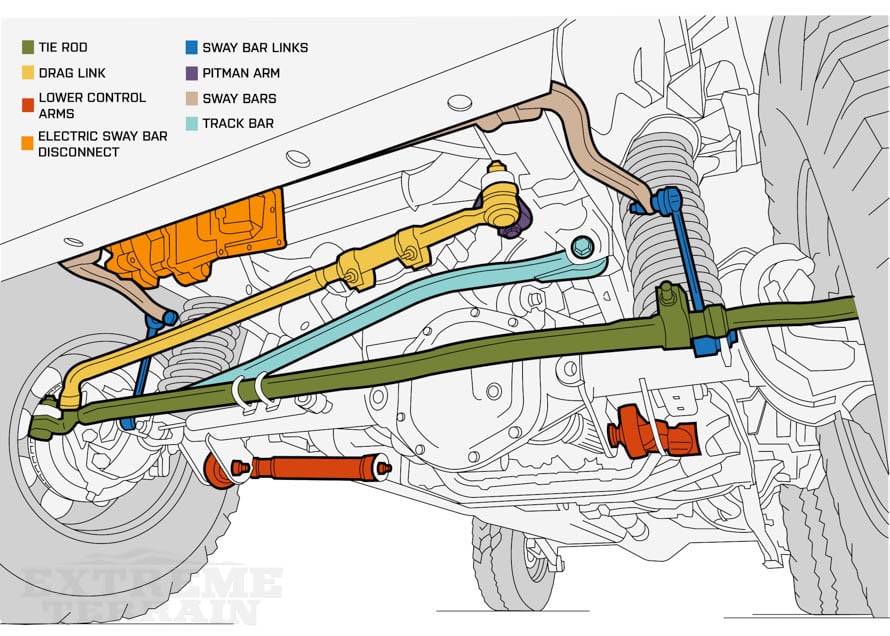
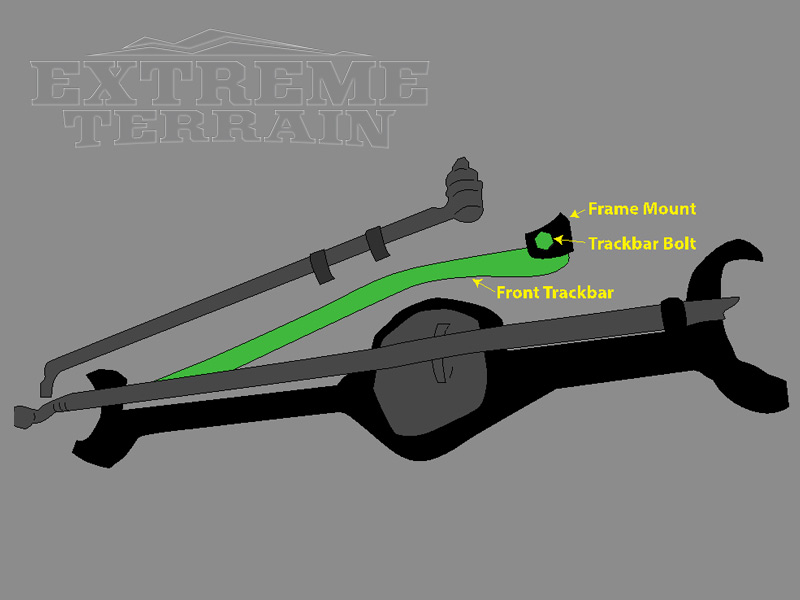
- Track bar wear or loose bolts
- Tie rod ends or ball joints worn out
- Wheel bearings damaged
- Steering stabilizer weak
- Suspension bushings degraded
- Tire balance off or tires not aligned
Often, more than one part is involved. It’s important to check everything rather than just replacing a single part.
Step-by-step Guide To Fix Death Wobble
Fixing death wobble is about finding and solving the root cause. Here’s a clear process:
1. Inspect And Tighten All Bolts
Start with the track bar. This part controls side-to-side movement. Loose bolts are a top cause. Use a torque wrench to tighten all track bar bolts to factory specs. Also, check the control arms, tie rods, and steering box.
2. Check For Worn Parts
Look for play (movement) in these parts:
- Track bar bushings
- Ball joints
- Tie rod ends
- Wheel bearings
Replace any parts that are worn. Even small wear can create big problems.
3. Test Tire Balance And Alignment
Unbalanced tires or bad alignment can start death wobble. Get your tires balanced by a shop. Ask for a four-wheel alignment. This makes sure all wheels point straight and reduces shaking.
4. Inspect Steering Stabilizer
The steering stabilizer helps control steering movement. If it’s leaking or weak, replace it. But remember, a stabilizer is not a cure. It hides symptoms, not solves the cause.
5. Upgrade Weak Components
If your Jeep has a lift kit or large tires, stock parts may be too weak. Consider upgrading:
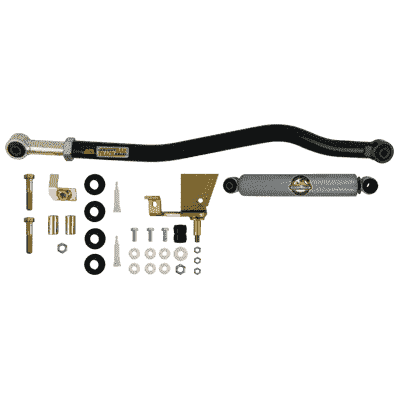
- Heavy-duty track bar
- Stronger tie rod ends
- Reinforced control arms
This can stop death wobble from returning.
6. Check Suspension Bushings
Old bushings get soft and let parts move too much. Replace with new, high-quality bushings for more control.
Comparison: Factory Vs Aftermarket Parts
Upgrading to stronger parts can help prevent death wobble, especially for lifted Jeeps. Here’s a quick comparison:
| Component | Factory | Aftermarket |
|---|---|---|
| Track Bar | Standard steel | Heavy-duty, adjustable |
| Ball Joints | OEM quality | High-strength, greaseable |
| Steering Stabilizer | Basic | Performance shock |
For Jeeps with big tires or lift kits, aftermarket parts are more reliable. They reduce flex and wear.
Typical Repair Costs
Death wobble fixes can cost different amounts. Here’s what to expect:
| Repair | DIY Cost | Shop Cost |
|---|---|---|
| Track Bar Replacement | $120–$250 | $250–$400 |
| Ball Joints | $150–$300 | $350–$600 |
| Wheel Alignment | $70–$120 | $70–$120 |
| Steering Stabilizer | $50–$100 | $100–$200 |
Prices vary by location and Jeep model. Doing some jobs yourself saves money, but suspension work can be tricky.
Practical Tips To Prevent Death Wobble
- Check bolts often, especially after off-roading.
- Use quality parts for upgrades.
- Get regular wheel alignments.
- Replace tires when they show uneven wear.
- Don’t ignore small shakes—they often get worse.
A non-obvious tip: If you add a lift kit, always upgrade your track bar and control arms. This prevents extra strain and keeps steering tight.
Another overlooked detail: After fixing parts, test your Jeep at different speeds. Sometimes, death wobble only shows up at highway speeds.
Real Example: How One Owner Solved Death Wobble
A Jeep JK owner with a 3-inch lift and 35-inch tires experienced death wobble after hitting a pothole. He checked and found his track bar bolts loose and one ball joint worn.
After tightening bolts and replacing the ball joint, the death wobble stopped.
He also upgraded to a heavy-duty track bar, which gave more stability. This shows that fixing small issues early prevents big problems later.
When To Seek Professional Help
If you can’t find the cause, or death wobble keeps coming back, see a Jeep specialist. They have tools to check for hidden issues. Some problems, like frame damage, need expert repair.
For more technical information, visit JK-Forum, a trusted Jeep community.
Frequently Asked Questions
What Is Death Wobble?
Death wobble is a violent shaking of the front wheels and steering. It usually happens after hitting a bump at high speed. The Jeep feels hard to control until you slow down.
How Dangerous Is Death Wobble?
It can be very dangerous. Death wobble can make you lose control, especially on highways.
It’s important to fix it as soon as possible.
Can Death Wobble Be Fixed Permanently?
Yes, if you find and repair the cause. Replace worn parts, tighten bolts, and check alignment.
Upgrading weak parts helps prevent it from coming back.
Does A Steering Stabilizer Fix Death Wobble?
A steering stabilizer can reduce shaking but doesn’t solve the root problem. Always fix worn or loose parts first.
The stabilizer is only a helper, not a cure.
Is Death Wobble Common In Lifted Jeeps?
Yes, it’s more common in Jeeps with lift kits or larger tires. These changes can stress stock parts and cause wear. Upgrading parts can help prevent issues.
Feeling the death wobble is scary, but you don’t have to live with it. By checking your Jeep JK’s suspension, fixing worn parts, and upgrading where needed, you can drive with confidence again.
Regular checks and proper repairs keep your Jeep safe for every adventure.