Many Jeep Wrangler owners love the feeling of power and adventure that comes with driving off-road. But to get the most from your Wrangler, you need to know how to use its 4WD system correctly.
Engaging 4WD can seem confusing at first, especially if you’re new to Jeeps. This guide explains each step simply, so you can drive with confidence—on or off the road.
Understanding Jeep Wrangler 4wd Modes
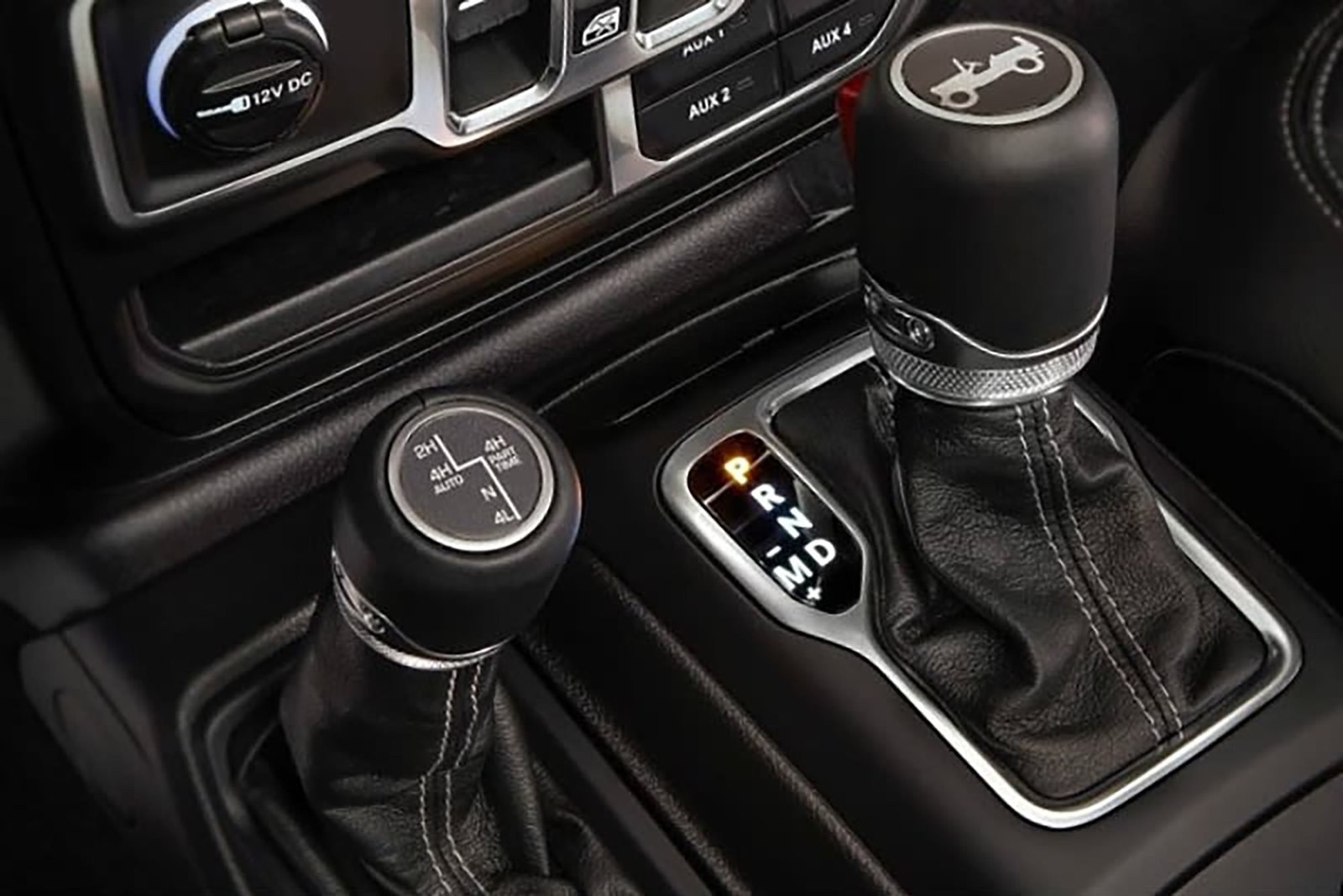
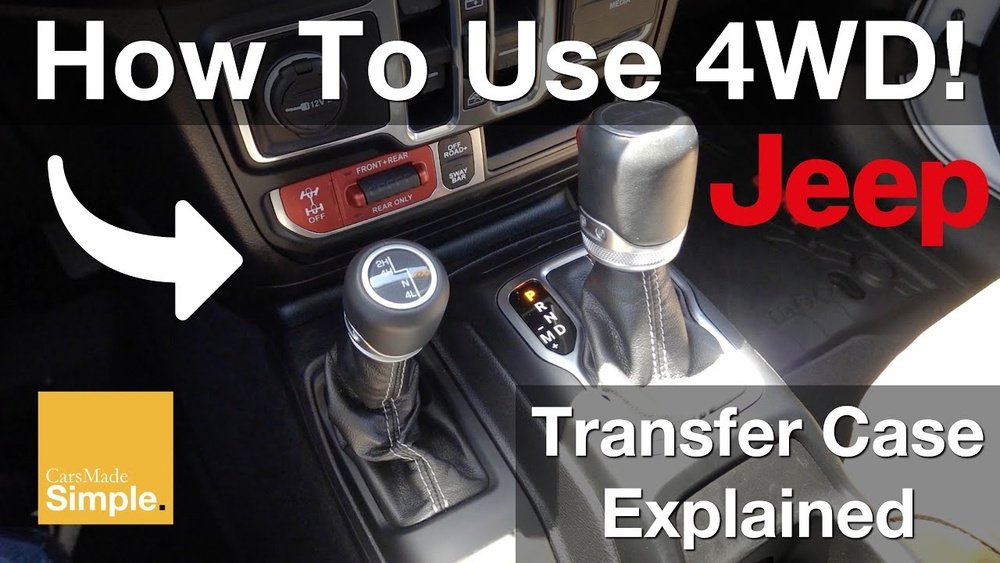
Jeep Wranglers typically come with a part-time 4WD system. This means you can switch between two-wheel drive (2H) and four-wheel drive (4H or 4L) as needed.
Here’s a quick look at what each mode does:
| Mode | Best For | Description |
|---|---|---|
| 2H (Two High) | Normal roads | Rear wheels get power. Good for dry pavement and fuel economy. |
| 4H (Four High) | Snow, sand, loose gravel | All wheels get power. Good for higher speeds on slippery surfaces. |
| 4L (Four Low) | Rocks, mud, steep hills | All wheels get extra torque. Slow speeds only. |
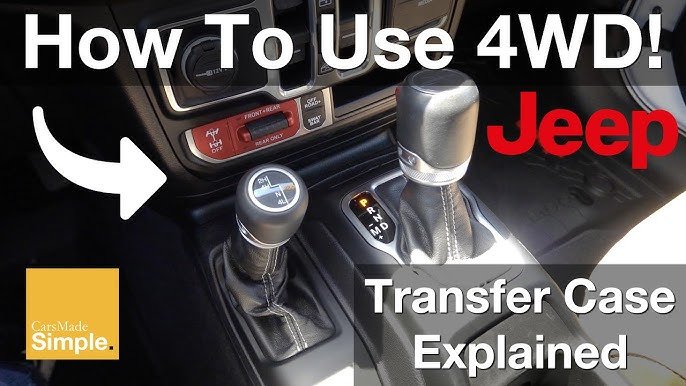
Most Wranglers use a lever or electronic knob to change modes. Always check your owner’s manual, as systems may vary by year and trim.
When To Engage 4wd
Engaging 4WD at the right time protects your Jeep and keeps you safe. Use 2H for dry, paved roads. Switch to 4H when you face:
- Deep snow
- Icy roads
- Muddy trails
- Loose gravel
Use 4L only when you need maximum traction at low speeds, such as:
- Climbing or descending steep hills
- Crossing deep mud or sand
- Rock crawling
A common mistake is using 4WD on dry pavement. This causes drivetrain stress and can damage your Jeep.
Only use 4WD when surfaces are slippery or loose.
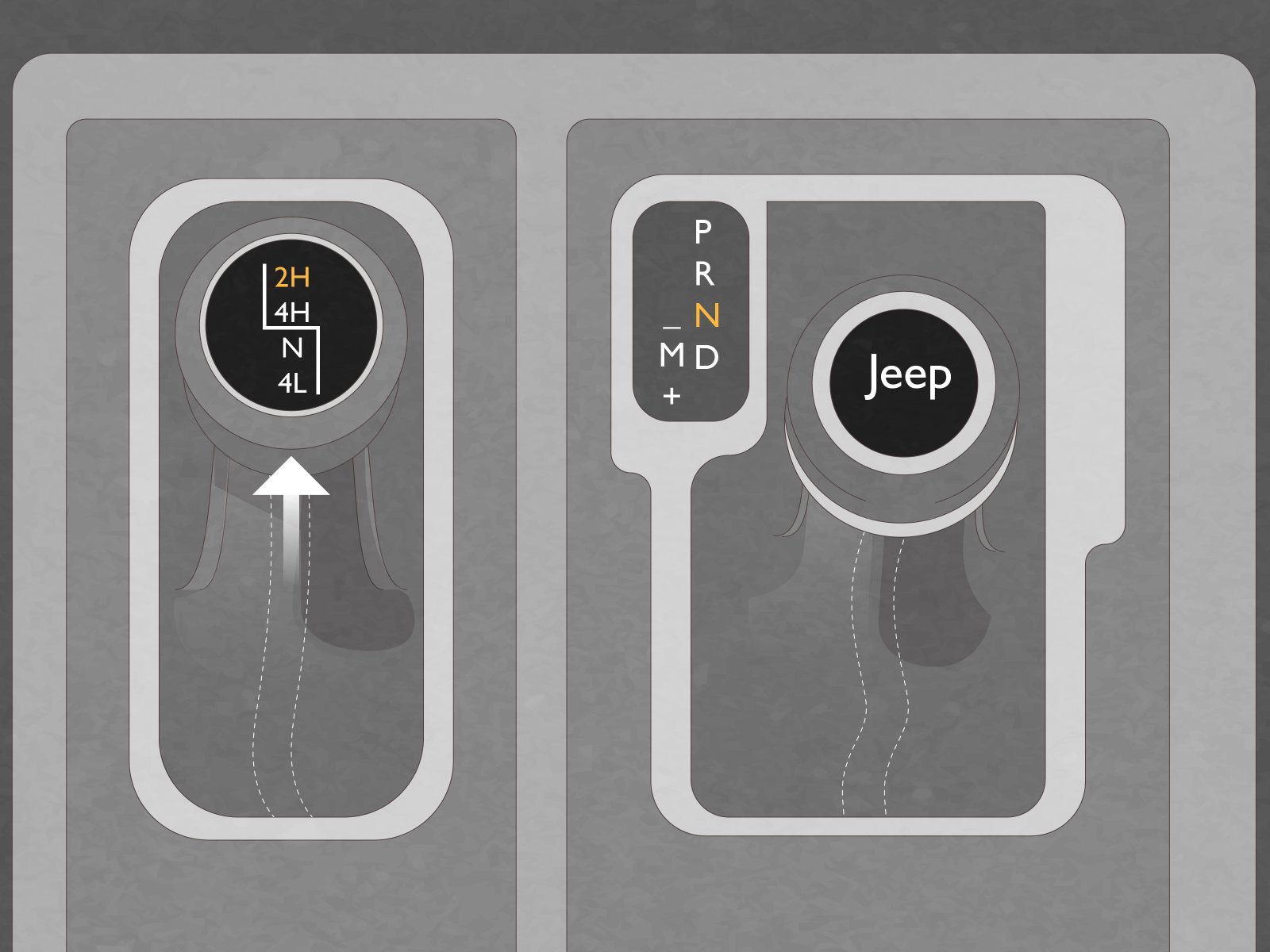
How To Engage 4wd On Jeep Wrangler
Switching to 4WD is simple, but doing it the right way matters. Follow these steps for most modern Wranglers:
1. Slow Down
For 4H, reduce speed to under 55 mph (88 km/h). For 4L, stop the vehicle completely.
2. Shift To Neutral
To engage 4L, put the transmission in neutral (N). For 4H, you can stay in drive (D) or park (P).
- Move the Transfer Case Lever/Knob
- For 4H: Pull the lever straight back from 2H to 4H, or turn the knob to 4H.
- For 4L: From 4H, push the lever down and back, or turn the knob to 4L. You’ll feel more resistance.
- Return to Drive
Shift the main gear selector back into drive (D) or reverse (R) as needed.
5. Check Indicator Lights
A light on the dashboard will show if 4WD is active. If it blinks or doesn’t come on, repeat the steps.
6. Drive Slowly In 4l
Only use 4L at speeds under 25 mph (40 km/h). Going faster can damage the system.
Here’s a quick comparison of the key steps for 4H and 4L:
| Step | 4H | 4L |
|---|---|---|
| Speed | Below 55 mph | Completely stopped |
| Transmission Position | Drive or Park | Neutral |
| How to Shift | Straight to 4H | From 4H, push down & back to 4L |
Tips For Smooth 4wd Operation
- Practice in a safe area before using 4WD on tough trails.
- Don’t force the lever or knob. If it won’t move, check your speed and transmission position.
- Always disengage 4WD when you’re back on dry pavement.
- Watch for binding or jerking in tight turns—this is a sign you should switch back to 2H.
One key insight: Many beginners forget to stop completely before shifting into 4L. This can grind gears and cause expensive repairs. Also, after using 4WD in mud or water, check your brakes and drivetrain for debris.
Common Problems And How To Fix
Sometimes, 4WD won’t engage or disengage properly. Here are some possible causes and solutions:
- Indicator light keeps blinking:
The lever or knob might not be fully engaged. Move it again until you hear or feel a click.
- Strange noises:
This can happen if you shift at the wrong speed or on dry pavement. Slow down and try again.
- Can’t shift into 4L:
Make sure you’re stopped and in neutral. If it still won’t move, check for obstacles under the Jeep.
If problems continue, consult a mechanic or your Jeep dealer. Using 4WD incorrectly can cause drivetrain wear or failure.
Comparing Wrangler 4wd With Other Suvs
Jeep Wrangler’s system is built for off-roading, but how does it stack up against common SUVs?
| Vehicle | 4WD Type | Best Use Case |
|---|---|---|
| Jeep Wrangler | Part-time 4WD | Serious off-road, rock crawling |
| Toyota RAV4 | Automatic AWD | Light off-road, snow |
| Ford Explorer | Selectable AWD/4WD | Mixed on-road/off-road |
Wrangler’s system gives you more control, but requires you to know when and how to engage 4WD. That’s why learning these steps is so important.
Wrapping Up
Learning how to engage 4WD on a Jeep Wrangler is a skill that gives you both confidence and safety. Remember to use 4H or 4L only when you really need extra traction.
Practice the steps somewhere safe before heading into tough terrain.
With the right knowledge, your Wrangler will get you through almost any challenge without unnecessary wear or damage.
For more technical details, you can check the official Jeep 4×4 guide.
Frequently Asked Questions
How Do I Know If My Jeep Is In 4wd?
A dashboard indicator light will show when 4WD is active. If the light is blinking, the system may not be fully engaged—shift again as needed.
Can I Switch To 4wd While Driving?
You can shift from 2H to 4H while driving at low speeds (below 55 mph). To switch to 4L, you must stop completely and shift the transmission to neutral.
Is It Bad To Drive In 4wd All The Time?
Yes. Driving in 4WD on dry pavement can damage the drivetrain and tires. Only use 4WD on slippery or loose surfaces.
What Happens If 4wd Won’t Engage?
If 4WD doesn’t engage, check your speed, transmission position, and that you’re following the correct steps. If it still fails, there may be a mechanical issue—see a mechanic.
Does The Wrangler Have Full-time 4wd?
Most Wranglers have part-time 4WD. Some trims (like Rubicon 4xe) may offer full-time 4WD, but most require you to select 2H, 4H, or 4L as needed. Always check your model’s manual.