Driving a manual Jeep Wrangler is more than just moving from point A to point B. It offers a sense of control and adventure that automatic transmissions simply cannot match.
Whether you’re planning to explore rough terrain or just want to learn the basics, understanding how to handle a stick shift Wrangler is essential. Many beginners find manual driving intimidating, but with the right steps and practice, you can master it and enjoy the unique driving experience.
Understanding The Manual Jeep Wrangler
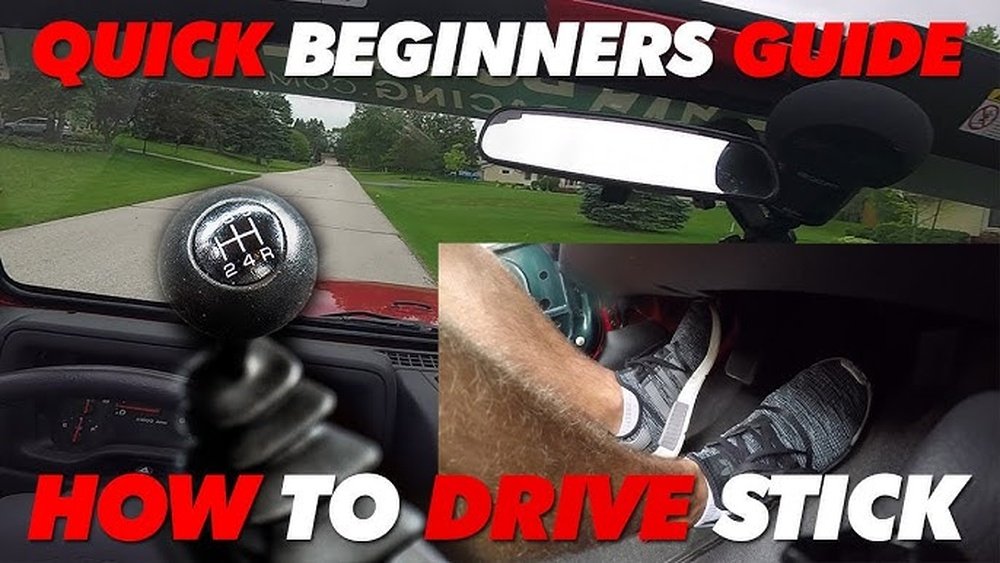
A manual Jeep Wrangler uses a clutch pedal and a gear stick to control the engine and wheels. Unlike automatics, you must manually shift gears depending on speed and engine load. Most Wranglers have a 6-speed transmission, which means you will use six forward gears and one reverse gear.
Here’s a quick comparison between manual and automatic Wranglers:
| Feature | Manual Wrangler | Automatic Wrangler |
|---|---|---|
| Transmission Type | 6-speed | 8-speed |
| Fuel Efficiency | Better (up to 21 mpg city) | Average (up to 18 mpg city) |
| Driver Control | High | Moderate |
| Learning Curve | Steep | Easy |
Getting Started: Essential Steps
Before you start, make sure you’re familiar with the Wrangler’s controls. You’ll use three pedals: clutch, brake, and accelerator. The gear stick is usually between the front seats. Take a moment to locate each gear position and memorize the pattern.
Step-by-step Guide
1. Press The Clutch
Before starting the engine, press the clutch pedal fully with your left foot.
2. Start The Engine
Turn the key to start the Wrangler. Keep the clutch pressed.
3. Select First Gear
Move the gear stick into first gear. Most Wranglers require a firm push to the left and up.
4. Release Parking Brake
Make sure the parking brake is off.
5. Slowly Release The Clutch
Gradually lift your left foot off the clutch while gently pressing the accelerator with your right foot. This is the most crucial moment too fast and the Jeep stalls, too slow and you may not move.
6. Drive Forward
As the Jeep starts moving, continue releasing the clutch and pressing the gas.
7. Shifting Gears
When you reach about 2,500 RPM, press the clutch, shift into second gear, release the clutch, and press the accelerator.
8. Stopping
To stop, press the clutch and brake together. Shift into neutral when fully stopped.
A common mistake is not pressing the clutch enough when shifting gears. Always press it fully to avoid grinding or damaging the transmission.
Mastering Gear Changes
Smooth gear changes are key for both city driving and off-roading. Here’s how to shift gears properly:
| Gear | Recommended Speed (mph) | RPM Range |
|---|---|---|
| 1st | 0-10 | 1,000-2,500 |
| 2nd | 10-20 | 1,500-3,000 |
| 3rd | 20-30 | 2,000-3,500 |
| 4th | 30-40 | 2,500-4,000 |
| 5th | 40-50 | 2,500-4,500 |
| 6th | 50+ | 2,500-5,000 |
Changing gears too early or late can make the ride rough and even damage the vehicle. Always listen for engine sound if it gets too loud, shift up; if it struggles, shift down.
Handling Hills And Off-road
Driving a manual Wrangler on hills is challenging. When starting on a slope, use the handbrake technique:
- Pull the handbrake while stopped.
- Press the clutch and shift to first gear.
- Release the clutch and press the accelerator until you feel the Jeep wants to move.
- Slowly release the handbrake and continue pressing the gas.
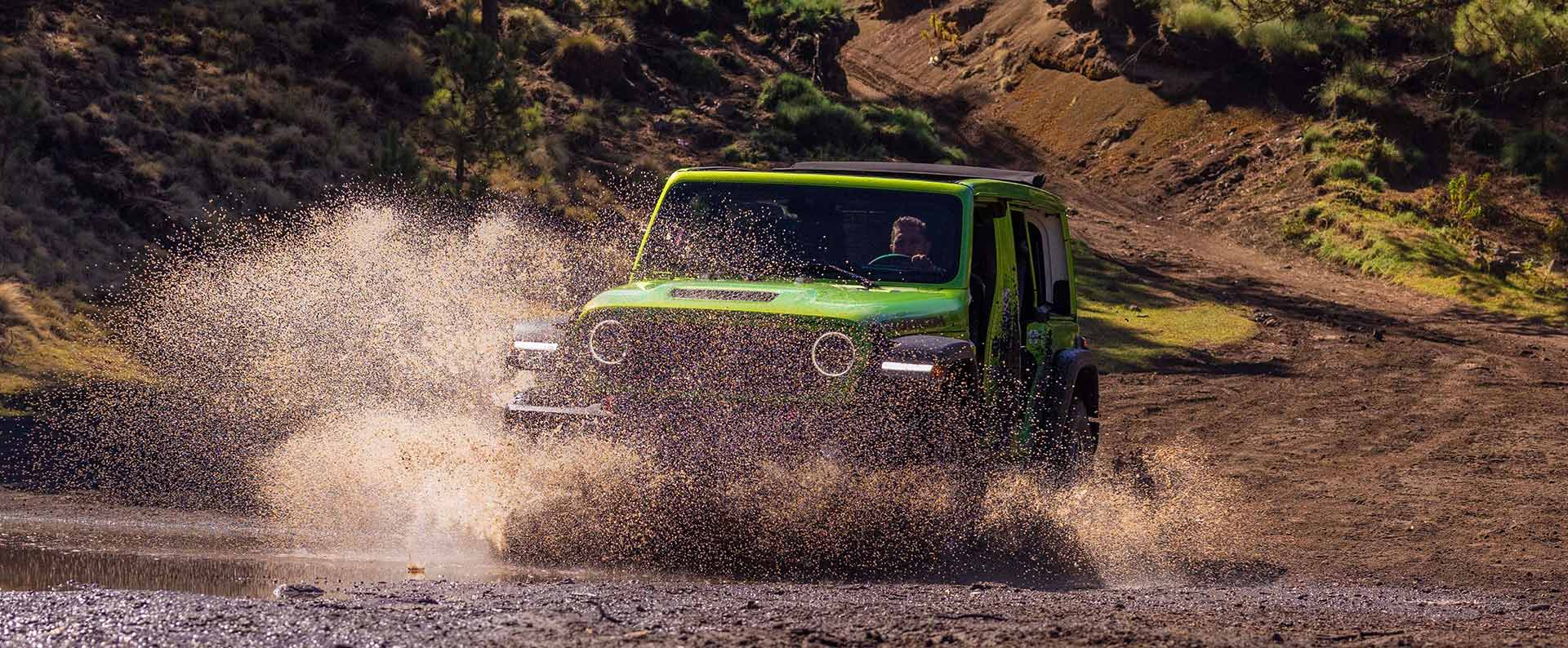
Off-roading requires quick gear changes and sometimes using low-range gears. The Wrangler has a separate lever for this. Use low-range gears for steep climbs, mud, or rocky paths.
Here’s a comparison of driving modes:
| Mode | When to Use | Gear Impact |
|---|---|---|
| High Range | Normal roads | Standard gear ratios |
| Low Range | Off-road, steep hills | Lower speed, higher torque |
Practical Tips And Insights
- Practice clutch control in an empty parking lot before heading to traffic.
- Avoid riding the clutch (keeping your foot on the pedal when not shifting). This wears out the clutch quickly.
- Use neutral when stopped for long periods to reduce stress on the transmission.
- Remember, the Wrangler’s clutch can feel heavier than other cars. If your foot gets tired, take breaks.
Many beginners forget to check the RPM gauge. Watching RPM helps you shift at the right moment, especially when learning.
A non-obvious insight: If you plan to drive off-road, practice shifting quickly and smoothly. This prevents losing momentum on uneven ground.
Another tip: If the Jeep stalls, don’t panic. Just press the clutch, shift to neutral, and restart the engine.
Frequently Asked Questions
What’s The Main Difference Between Manual And Automatic Jeep Wranglers?
The main difference is driver control. Manual Wranglers require you to change gears and use a clutch, giving you more control over speed and power. Automatics do this for you.
Is A Manual Jeep Wrangler Harder To Drive?
It can be more challenging, especially for beginners. The clutch and gear changes need practice.
After a few hours, most drivers get comfortable.
How Do I Avoid Stalling?
Release the clutch slowly while pressing the accelerator. Practicing this step in a safe area helps. Listen for engine sound and watch RPM.
Can I Drive A Manual Wrangler Off-road?
Yes, manual Wranglers are great for off-roading. You can control power and speed better, which is useful on rough terrain.
Use low-range gears for steep or slippery paths.
Are Manual Wranglers More Fuel Efficient?
Generally, yes. Manuals often have better fuel economy because you control gear changes. According to FuelEconomy.gov, manual Wranglers can reach up to 21 mpg in the city.
Learning to drive a manual Jeep Wrangler is a valuable skill. With patience and practice, you’ll enjoy more control and adventure on every drive. Remember to take your time, practice often, and soon you’ll shift gears like a pro.