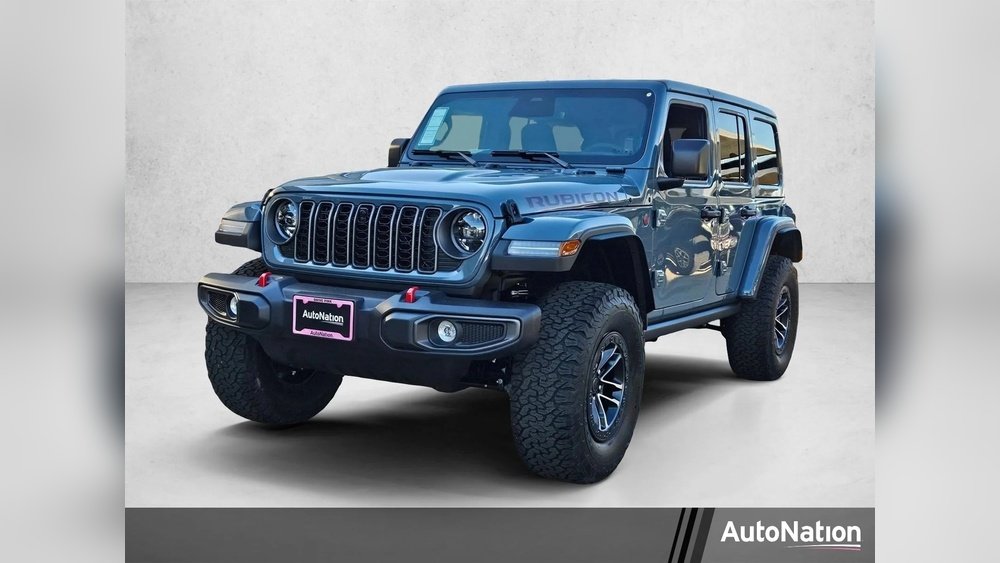
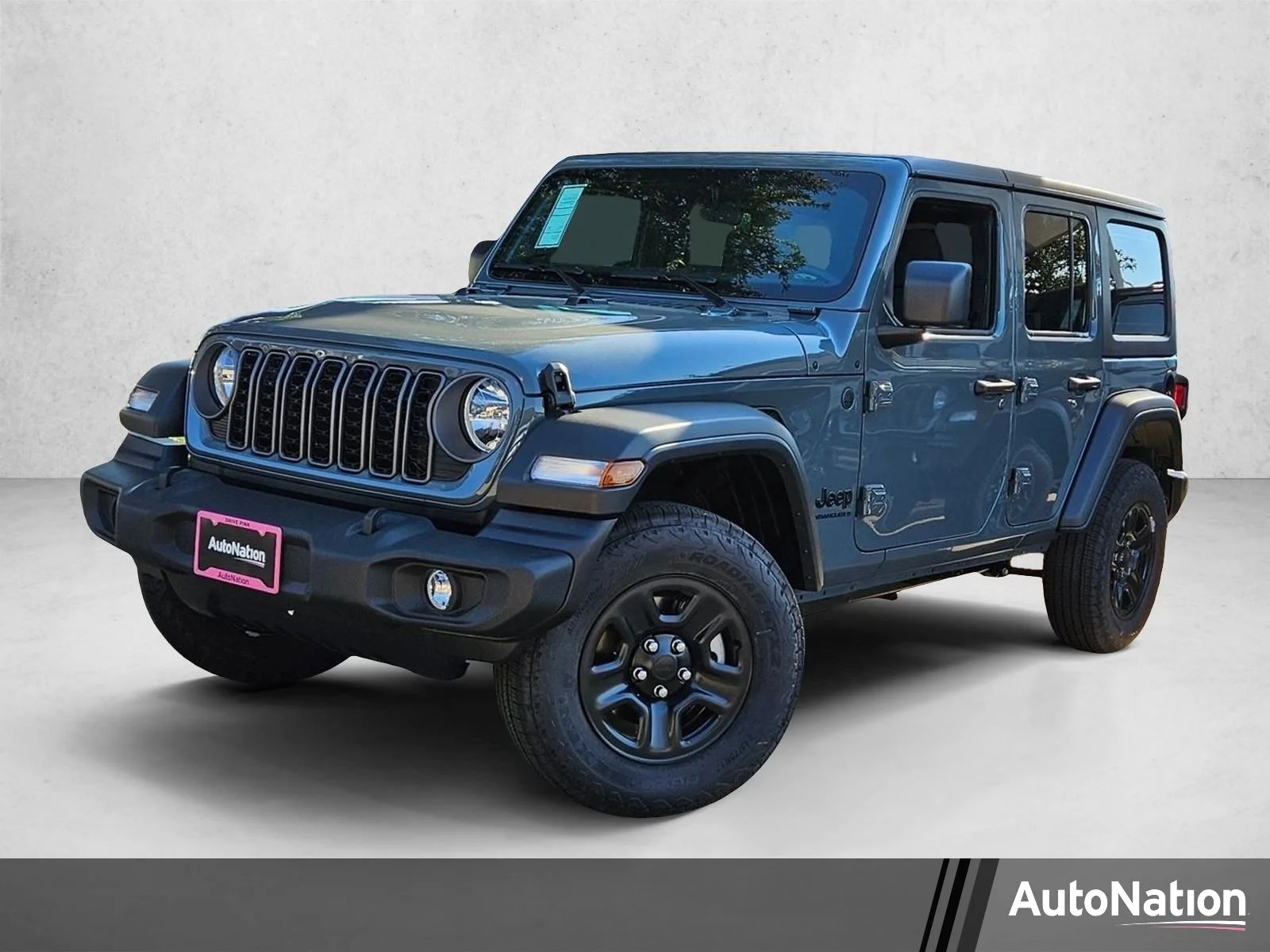
Driving a Jeep Wrangler automatic can feel exciting and empowering. This iconic vehicle is built for both city streets and off-road adventures. If you’re new to automatic cars or switching from a manual Jeep, you may wonder what makes the Wrangler different and how to operate it safely. In this guide, you’ll learn the key steps, tips, and common mistakes to avoid so you can drive your Jeep Wrangler automatic with confidence.
Getting Ready: Know Your Jeep Wrangler Automatic
Before starting, it’s important to get familiar with the Wrangler’s unique features. The automatic transmission means you won’t need to use a clutch pedal.
Instead, the system changes gears for you. However, the Wrangler’s design is slightly different from standard sedans or hatchbacks.
Key controls to locate:
- Gear shifter (usually in the center console)
- 4WD selector (for switching between two-wheel and four-wheel drive)
- Parking brake (lever or button)
- Dashboard indicators (gear position, warning lights)
Take a moment to adjust your seat, mirrors, and steering wheel for comfort and clear visibility.
Wrangler Vs. Other Automatics
Here’s a comparison to help you understand how the Jeep Wrangler automatic differs from typical automatic cars:
| Feature | Jeep Wrangler Automatic | Standard Sedan Automatic |
|---|---|---|
| Drive Modes | 2WD, 4WD High, 4WD Low | Usually only 2WD |
| Ground Clearance | High (8.3-10.8 inches) | Low (4-6 inches) |
| Turning Radius | Wider (around 17 ft) | Tighter (14-16 ft) |
| Shifter Types | Electronic or mechanical | Usually electronic |
Starting The Jeep Wrangler Automatic
- Press the brake pedal firmly with your right foot.
- Ensure the gear shifter is in Park (P).
- Insert the key or press the Start/Stop button (depending on the model).
- Wait for dashboard lights to check system status.
- Release the parking brake.
If the weather is cold, let the engine idle for about 30 seconds to warm up fluids.
Shifting Gears And Basic Driving
The Wrangler’s automatic shifter usually has these positions: P (Park), R (Reverse), N (Neutral), D (Drive), and sometimes M (Manual) for manual gear selection.
How To Move Forward
- With your foot on the brake, move the shifter to Drive (D).
- Gently release the brake and press the accelerator pedal to start moving.
- The transmission will change gears as needed.
Reversing
- Make sure the vehicle is completely stopped.
- Press the brake and shift to Reverse (R).
- Check mirrors and backup camera before moving.
Parking
- Stop the Jeep fully.
- Shift to Park (P).
- Set the parking brake before turning off the engine.
Tip: The Wrangler’s high ground clearance means you may feel more body roll when turning. Take corners slowly, especially in urban traffic.
Using Four-wheel Drive (4wd)
One special feature of the Jeep Wrangler is its 4WD system. Most automatics come with a separate lever or switch for 4WD. This helps improve grip on slippery or rough roads.
4wd Modes Explained
| Mode | When to Use | How to Shift |
|---|---|---|
| 2H (2WD High) | Normal roads, dry conditions | Shift while stopped or moving slowly |
| 4H (4WD High) | Rain, snow, light off-road | Shift at speeds under 55 mph |
| 4L (4WD Low) | Steep hills, deep mud/sand | Stop, shift to Neutral, engage 4L |
Important: Never use 4L on dry pavement. It’s meant for low-speed, challenging terrain.
Practical Tips For Safe Driving
- Plan for wider turns. The Wrangler’s large tires and high body need more space.
- Brake earlier. Heavier weight and higher center of gravity affect stopping distance.
- Watch for blind spots. The boxy shape can hide cars and bikes, so check mirrors often.
- Use the mirrors and backup camera. Rear vision is limited compared to smaller cars.
- Monitor tire pressure. Proper inflation is crucial for safe handling.
Off-roading Basics
The Jeep Wrangler is built for adventure, but off-road driving requires extra care. Always shift to the right 4WD mode before tackling mud, sand, or rocks. Keep speeds low and steer smoothly.
Pro Insight: Many beginners forget to disengage 4WD after leaving rough terrain. Driving in 4WD on dry pavement can damage the drivetrain.
Common Mistakes To Avoid
- Not using the parking brake: Relying only on Park can strain the transmission, especially on slopes.
- Shifting without stopping: Never shift between Drive and Reverse while moving. Always stop first.
- Ignoring dashboard warnings: Pay attention to alerts like “Service 4WD System.”
- Oversteering at speed: The Wrangler is not designed for sharp, fast turns.
- Forgetting about tire size: Larger tires can affect speedometer accuracy and fuel mileage.
Wrangler Automatic: Quick Reference Table
Here’s a summary of useful data for Jeep Wrangler automatic drivers:
| Specification | Value |
|---|---|
| Transmission Type | 8-speed automatic |
| Average MPG | 20 city / 24 highway |
| Towing Capacity | Up to 3,500 lbs |
| Turning Radius | About 17 feet |
| Ground Clearance | 8.3 to 10.8 inches |
Final Thoughts
Learning how to drive a Jeep Wrangler automatic is not just about knowing the controls. It’s about understanding how this SUV handles differently from regular cars, especially when turning, braking, or driving off-road. Take time to practice in a safe area before heading out on busy roads or trails. With patience, you’ll soon be able to handle both city commutes and weekend adventures with ease.
For more technical details and owner information, check out the official Jeep Wrangler site.

Frequently Asked Questions
How Do I Use The Manual Mode In A Jeep Wrangler Automatic?
Some Wrangler automatics have a manual mode marked as “M” on the gear shifter. Move the shifter to “M” and use the “+” or “-” buttons to change gears yourself. This can be helpful on steep hills or when you want more control.
Can I Switch Between 2wd And 4wd While Driving?
You can shift from 2H to 4H (and back) while driving at speeds below 55 mph. For 4L, always stop the vehicle and shift to Neutral before engaging.
Is The Jeep Wrangler Automatic Good For Beginners?
Yes, the automatic model is easier for beginners than the manual. The higher seating and clear visibility help, but the wide turning circle and size need getting used to.
What Should I Do If The Gear Shifter Gets Stuck?
If the shifter won’t move out of Park, press the brake pedal firmly and check for obstacles near the shifter. If it still sticks, there may be a problem with the shift lock system consult your dealer.
How Often Should I Service The Automatic Transmission?
Follow your owner’s manual, but most experts recommend servicing the automatic transmission every 60,000 miles or as advised by Jeep. Regular service prevents costly repairs and keeps the vehicle running smoothly.