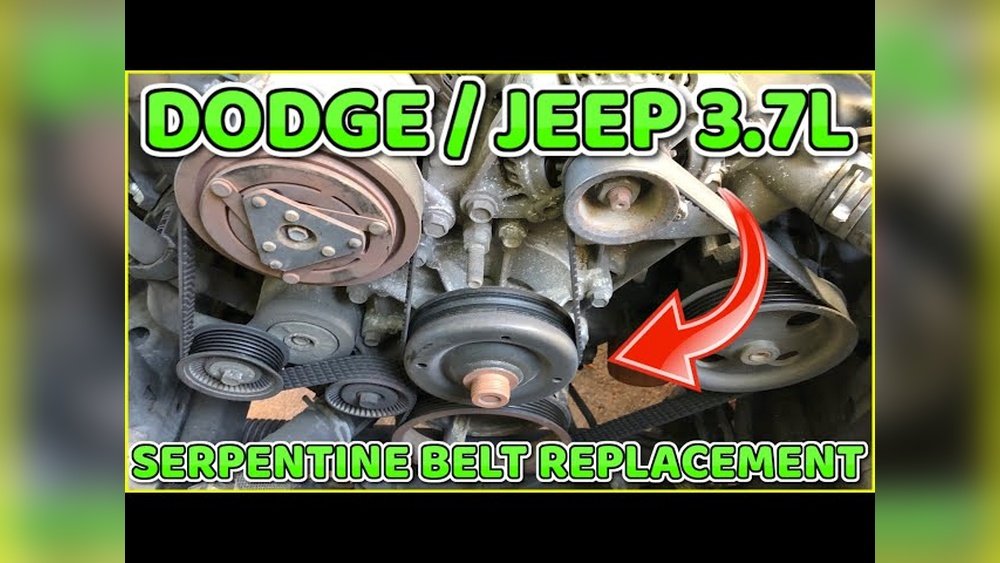
Every Jeep Wrangler owner knows the importance of keeping their engine cool, especially on rugged trails or during summer. One of the most basic maintenance tasks is draining the radiator.
This process removes old coolant, which can carry debris, rust, and lose its cooling power over time. If you want your Jeep Wrangler to run smoothly and avoid overheating, learning how to drain the radiator safely and efficiently is key.
Why Drain Your Jeep Wrangler Radiator?
Over time, coolant breaks down and becomes less effective. Old coolant can cause corrosion, clog radiator passages, and reduce heat transfer. Most experts recommend draining and replacing radiator coolant every 30,000 miles or every two years. Neglecting this can lead to expensive repairs and even engine failure.
Here’s a quick comparison of how fresh coolant stacks up against old coolant:
| Coolant Type | Heat Transfer Efficiency | Corrosion Risk | Overheating Probability |
|---|---|---|---|
| Fresh Coolant | High | Low | Rare |
| Old Coolant | Low | High | Frequent |
Tools And Materials Needed
Before you start, gather these items:
- Drain pan (at least 2 gallons capacity)
- Socket set or wrench
- Flathead screwdriver
- Safety gloves
- Coolant (consult your Jeep’s manual for type)
- Distilled water
- Funnel
- Shop towels
- Jack and stands (optional for higher clearance)
Having the right tools prevents spills and reduces risk of injury. Many beginners forget to use distilled water for rinsing, which helps avoid mineral buildup in the cooling system.
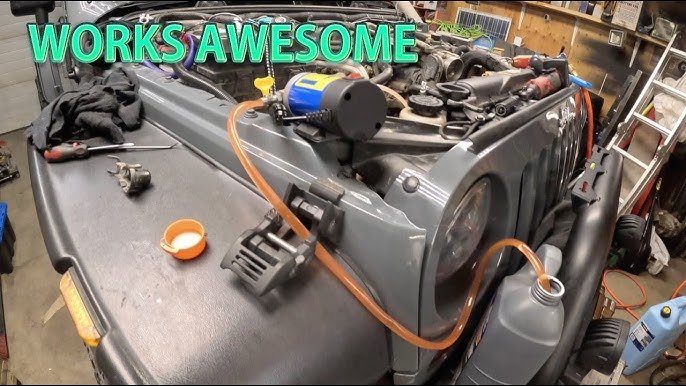
Step-by-step Guide To Draining The Radiator
Draining your Jeep Wrangler’s radiator isn’t complicated, but it requires patience and attention. Follow these steps for a safe, thorough job.
1. Cool Down The Engine
Never drain a hot radiator. Wait at least 30 minutes after driving, or until the engine is cool to the touch.
Opening the radiator cap on a hot engine can cause severe burns.
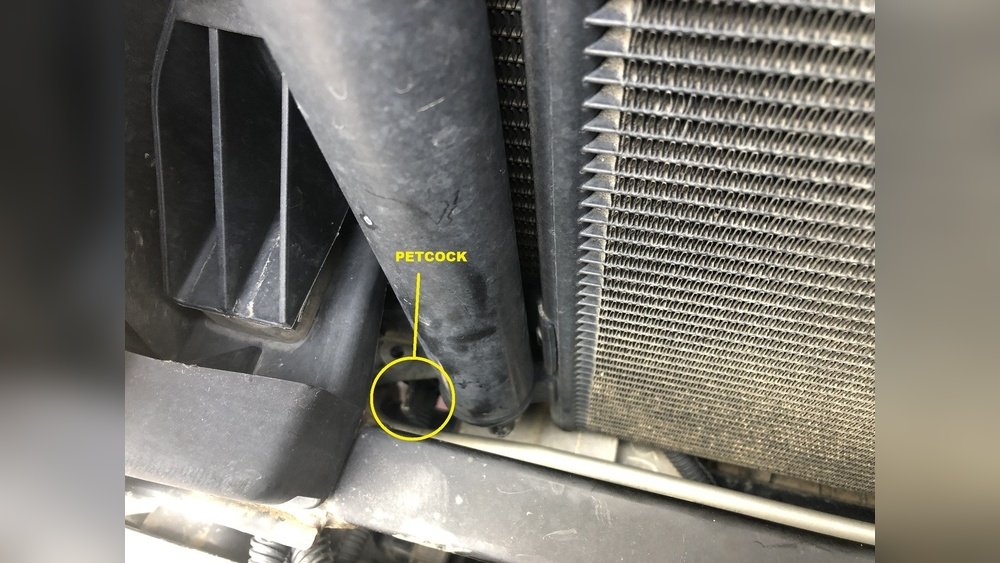
2. Locate The Radiator Drain Plug
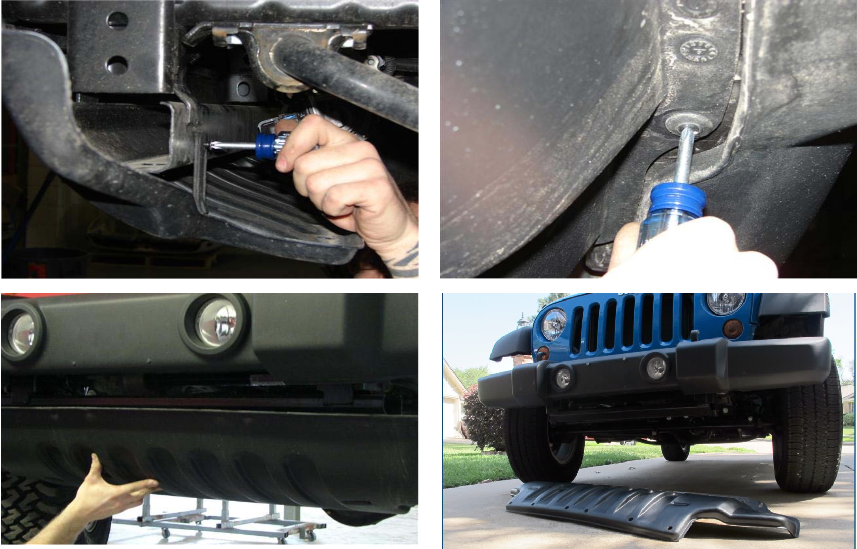
On most Wrangler models, the drain plug is at the bottom of the radiator, facing the engine. If your Jeep has skid plates, you may need to remove them for access.
| Wrangler Model | Drain Plug Location | Skid Plate Removal Needed? |
|---|---|---|
| JK | Lower Driver Side | No |
| JL | Lower Passenger Side | Yes |
| TJ | Center Bottom | No |
3. Place The Drain Pan
Position the drain pan directly under the plug. Make sure it’s centered to catch all the coolant.
A common mistake is using a small pan, which leads to messy spills.
4. Remove The Radiator Cap
Unscrew the radiator cap to allow air in. This helps coolant flow out faster.
If the cap is stuck, use a towel for extra grip. Do not force it if it feels pressurized.
5. Open The Drain Plug
Using your socket or screwdriver, turn the drain plug counterclockwise. Coolant will start to flow.
Let it drain completely this usually takes 5 10 minutes.
6. Flush The System (optional, Highly Recommended)
If your coolant is very dirty, flushing the radiator is wise. After draining, pour distilled water into the radiator, replace the cap, run the engine for 5 minutes, then drain again. This removes leftover debris.
7. Close The Drain Plug
Once all fluid has drained, tighten the drain plug securely. Do not overtighten, as it may crack the plastic threads.
8. Refill With Coolant
Using a funnel, pour the recommended coolant into the radiator. Top off until the level reaches the fill line. Close the cap tightly.
9. Check For Leaks
Start the engine and let it idle for a few minutes. Inspect under the radiator for drips.
If you spot a leak, turn off the engine and check the drain plug and hoses.
Here’s a comparison of different coolant types you might use:
| Coolant Type | Color | Longevity | Jeep Compatibility |
|---|---|---|---|
| OAT (Organic Acid Technology) | Purple | 5 Years | JK, JL (2012+) |
| HOAT (Hybrid OAT) | Orange | 3–5 Years | TJ, JK (2007–2011) |
| Conventional | Green | 2 Years | Older TJ |
Practical Tips And Common Mistakes
- Always use distilled water for flushing; tap water can leave mineral deposits.
- Dispose of old coolant responsibly. Coolant is toxic to pets and wildlife; take it to a recycling center.
- Never mix different coolant types. Mixing can cause gel formation and block passages.
- Avoid overtightening the drain plug; cracked plugs are a common mistake.
- Check coolant levels after a short drive; air bubbles may settle and lower the level.
One tip most beginners miss is to check the overflow reservoir after refilling. Sometimes, coolant settles and needs topping off again after your first drive.
Frequently Asked Questions
How Often Should I Drain My Jeep Wrangler’s Radiator?
Most experts recommend every 30,000 miles or two years. If you drive in dusty or hot conditions, check more often.
Can I Use Tap Water To Flush The Radiator?
No. Tap water contains minerals that can clog and damage the cooling system. Always use distilled water.
What Happens If I Mix Different Coolant Types?
Mixing coolants can cause chemical reactions that create sludge or gel, blocking your radiator and causing overheating.
How Do I Know If I Tightened The Drain Plug Enough?
The plug should be snug, but not forced. If you see drips after running the engine, tighten a bit more. Avoid using excessive force.
Where Should I Dispose Of Used Coolant?
Never pour coolant down the drain or on the ground. Take it to a local recycling center or auto parts store. For more details, visit the EPA’s guide.
Draining the radiator is a simple task that keeps your Jeep Wrangler in top shape. With the right tools, careful steps, and regular checks, you ensure long-lasting performance on and off the road. Take the time to do it right—your Jeep will thank you with years of reliable adventure.