Is your Jeep Wrangler’s check engine light suddenly glowing and leaving you worried? You’re not alone, and the good news is you don’t have to panic or rush to the mechanic right away.
You can take control by learning how to clear that check engine light yourself, saving time and money.
Whether it’s a simple fix like tightening your gas cap or a quick reset using an OBD-II scanner, this guide walks you through easy, step-by-step methods tailored for your Jeep Wrangler.
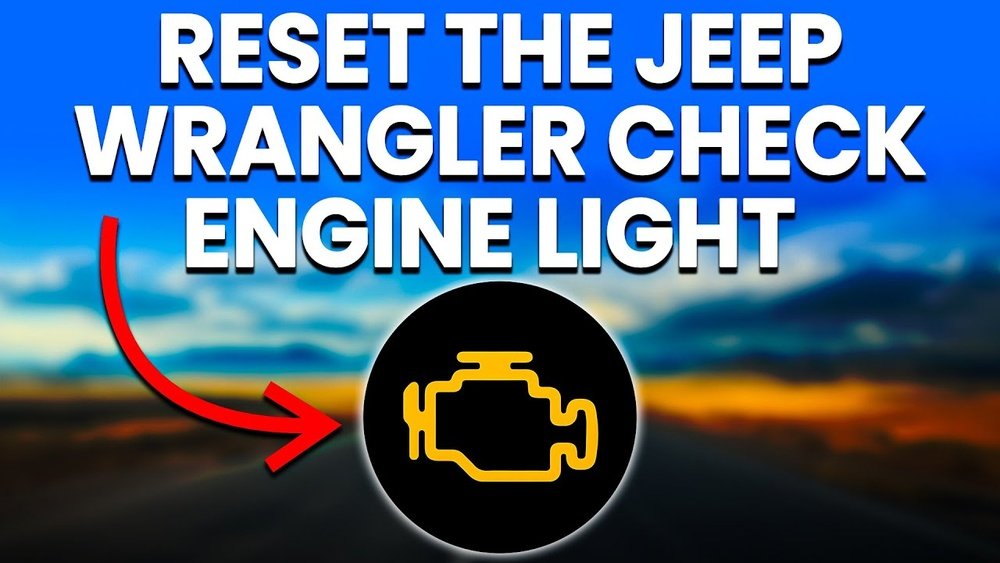
Keep reading to discover how you can diagnose and clear the light confidently and get back on the road with peace of mind.
Common Causes
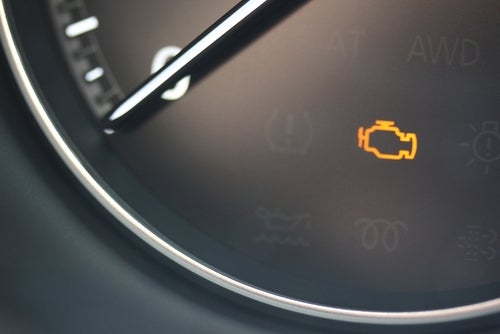
The check engine light on your Jeep Wrangler signals a problem in the engine or its systems. Understanding the common causes helps you address the issue quickly. Many causes are simple and easy to fix. Knowing these can save time and money.
Loose Gas Cap
A loose gas cap often triggers the check engine light. It can cause fuel vapors to leak out.
This leaks affect the emissions system and set off the warning. Make sure the gas cap clicks tight after refueling.
This simple step clears many check engine alerts.
Faulty Sensors
Jeep Wranglers have sensors that monitor engine parts. A bad sensor can send wrong signals to the computer.
Common sensors that fail include oxygen sensors and mass airflow sensors. Faulty sensors can cause poor engine performance and turn on the light.
Engine Misfires
Engine misfires happen when fuel does not burn properly in the cylinders. This problem can be caused by bad spark plugs or fuel injectors.
Misfires make the engine run rough and waste fuel. The check engine light comes on to warn you about the issue.
Emissions Issues
The emissions system controls harmful gases from the engine. Problems like a bad catalytic converter or exhaust leaks cause the light to come on.
Emissions issues often affect fuel economy and pollution. Fixing these keeps your Jeep running clean and smooth.
Check Engine Codes
DIY fixes offer simple ways to clear the check engine light on your Jeep Wrangler. You can often solve the issue without visiting a mechanic.
These fixes focus on common causes that trigger the warning light. Trying them can save time and money.
Tighten Or Replace Gas Cap
A loose or damaged gas cap often causes the check engine light. Open the fuel door and twist the gas cap until it clicks firmly.
If the cap is cracked or worn, replace it with a new one. This quick step can clear the error and stop fuel vapors from leaking.
Replace Snapped Hoses
Hoses under the hood can snap or crack over time. Check vacuum and PCV hoses for any visible damage.
Replace any broken hoses with the correct size and type for your Jeep. This restores proper engine function and may turn off the check engine light.
Clean Or Replace Sensors
Sensors like the oxygen or mass airflow sensor can get dirty or fail. Use a sensor-safe cleaner to gently clean the sensor surface.
If cleaning does not help, purchase a replacement sensor. Proper sensor operation helps the engine run smoothly and clears the warning light.
Address Simple Engine Issues
Minor engine problems like dirty spark plugs or low fluid levels can trigger the light. Inspect spark plugs and replace if they look worn or fouled.
Check engine oil and coolant levels, topping off as needed. Fixing these small issues often resets the check engine light.
Reset Methods
Knowing when to seek help for your Jeep Wrangler’s check engine light is important. Some issues require professional attention to avoid costly repairs.
Ignoring warning signs can lead to bigger problems or unsafe driving conditions. Understand these key situations where expert diagnostics become necessary.
Flashing Check Engine Light
A flashing check engine light signals a serious problem. It often means the engine is misfiring.
Driving with this issue can damage the catalytic converter. Stop driving immediately and get help from a mechanic.
Do not try to reset the light yourself in this case.
Persistent Codes
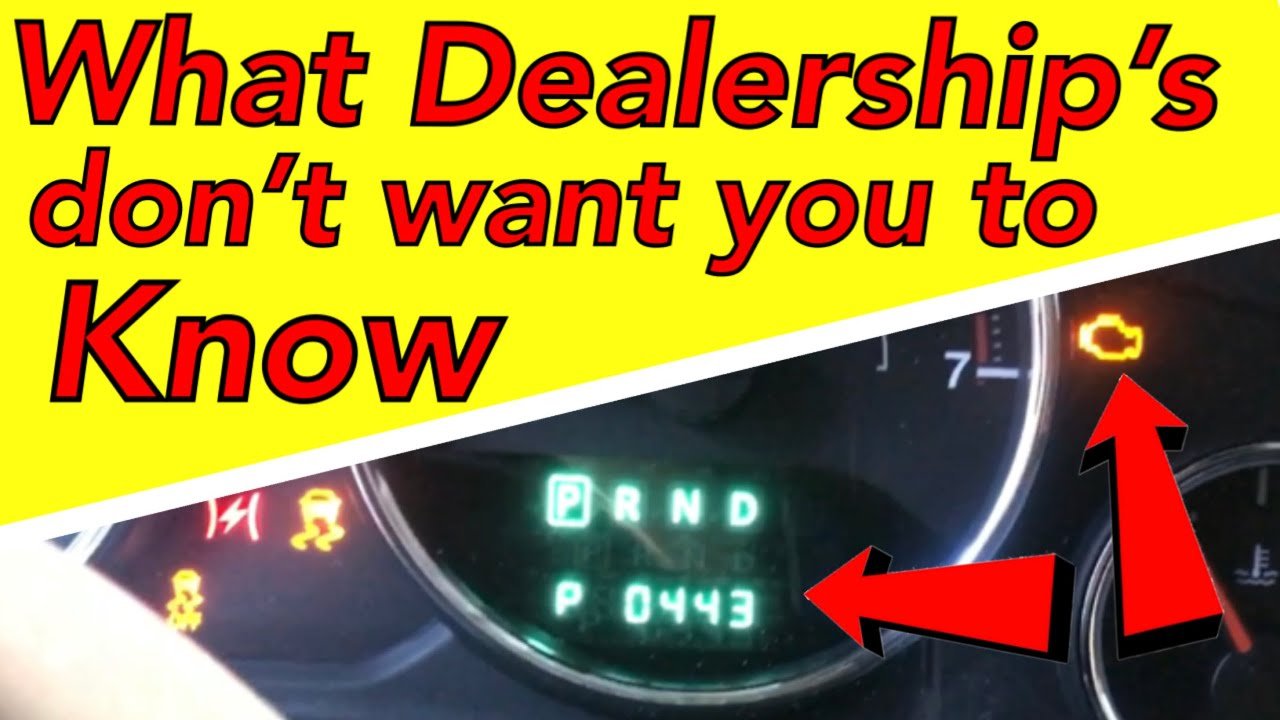
If the check engine light stays on after clearing codes, the problem remains. Persistent codes show the underlying issue is not fixed.
This can affect your Jeep’s performance and fuel efficiency. A professional can diagnose and repair the root cause safely and correctly.
Unfamiliar Problems
When the check engine light appears with strange noises or smells, seek help. Unusual symptoms may indicate complex engine or electrical issues.
Avoid guessing or using trial and error. A trained technician has the tools to identify hidden problems fast.
Professional Diagnostics
Using a scan tool is a good start, but professionals offer more. They can perform full diagnostics beyond basic code reading.
This includes checking sensors, fuel systems, and emissions controls. Their expertise ensures accurate repairs and keeps your Jeep running well.
Conclusion
Clearing the check engine light on your Jeep Wrangler is simple with the right steps. Always start by checking the gas cap for a tight seal. Use an OBD-II scanner to read and erase codes safely. Disconnecting the battery temporarily can also reset the system.
Remember, fixing the root cause is important before clearing the light. Drive carefully and monitor your Jeep after resetting.
Staying attentive helps avoid bigger car problems later. This way, you keep your Jeep running smoothly and safely.