If you drive a Jeep Grand Cherokee, keeping your engine oil at the right level is essential for a healthy vehicle. Many owners forget this simple check, but skipping it can lead to engine trouble or expensive repairs.
The good news? Checking your oil is quick, easy, and requires no special tools.
In this guide, you'll learn exactly how to check the oil on your Jeep Grand Cherokee, what to look out for, and common mistakes to avoid. Whether you’re new to cars or just want a quick refresher, this step-by-step approach will keep your Grand Cherokee running smoothly.
Why Checking Your Oil Matters
Your engine oil does more than just lubricate parts. It helps keep the engine cool, cleans out debris, and prevents metal parts from wearing out quickly. If your oil level is too low or dirty, the engine can overheat or get damaged. According to the Car Care Council, 22% of cars on the road have low or dirty engine oil. Regular checks can help you spot problems before they become serious.
Preparing To Check Oil On A Jeep Grand Cherokee
Before you start, gather a few basics:
- Clean rag or paper towel
- Level parking spot
- Gloves (optional for clean hands)
Always check oil when the engine is off and cool. If you just drove, wait at least 10 minutes after shutting off the engine. This lets oil settle back into the pan, giving you an accurate reading.
Step-by-step: How To Check Oil On Jeep Grand Cherokee
Follow these steps for both V6 and V8 engine models. Always refer to your owner’s manual for specific instructions, as locations or procedures may vary slightly by year.
1. Open The Hood Safely
Find the hood release lever inside your Jeep (usually near the driver’s left foot). Pull it to pop the hood. Then, go to the front and release the safety catch under the hood. Use the prop rod to keep the hood open if your Grand Cherokee uses one.
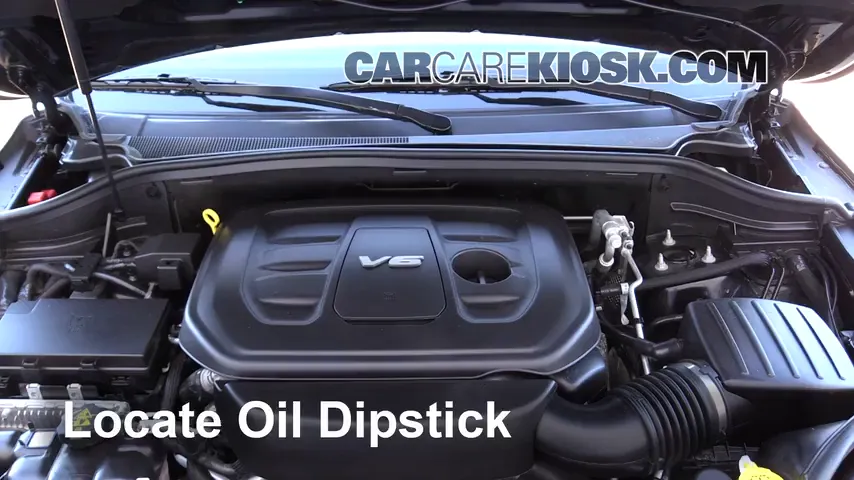
2. Locate The Dipstick
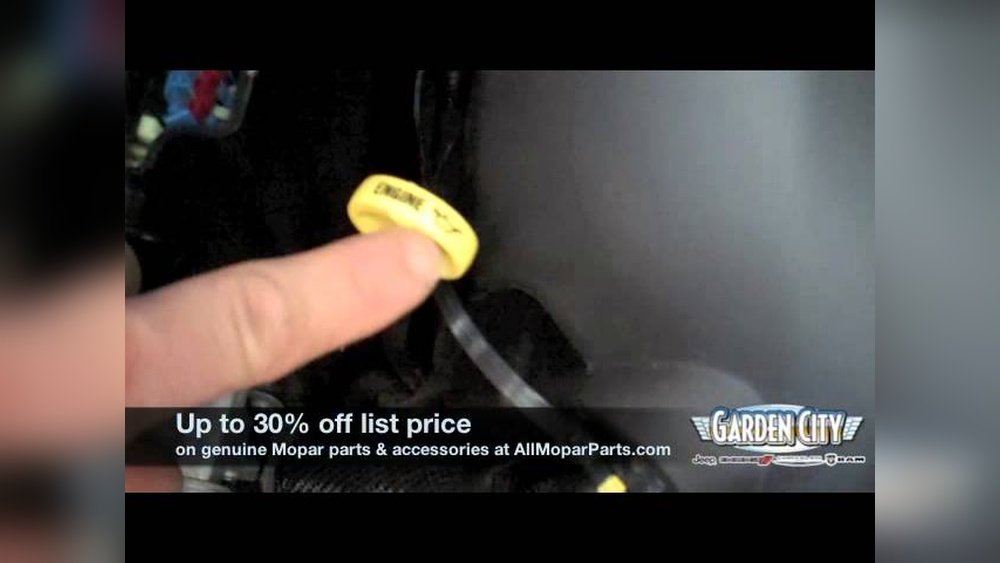
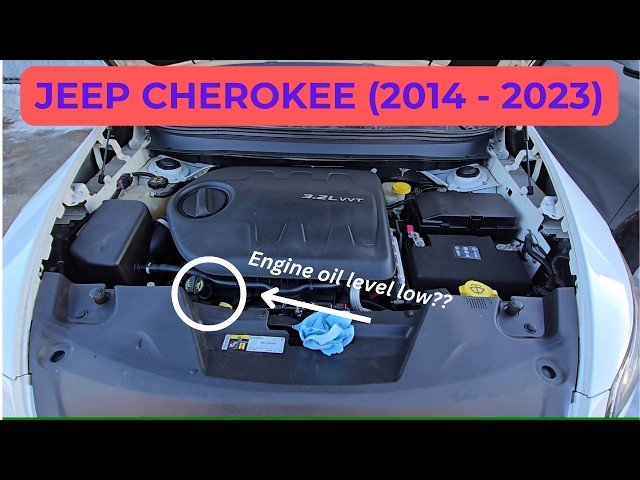
Look for the engine oil dipstick. It usually has a yellow or orange handle and is marked “Engine Oil.” On most Grand Cherokees, the dipstick is near the front or side of the engine.
3. Remove And Clean The Dipstick
Pull the dipstick out slowly. Wipe the metal part clean using your rag or towel.
This removes any oil that may have splashed during driving.
4. Reinsert And Remove The Dipstick
Push the dipstick all the way back in, then pull it out again. Hold it horizontally to read the oil level.
5. Check Oil Level And Condition
You’ll see markings on the dipstick labeled “MIN” and “MAX” or two dots/lines. The oil level should be between these marks.
- If oil is below MIN, add oil immediately.
- If oil is above MAX, too much oil can harm your engine; consult a mechanic.
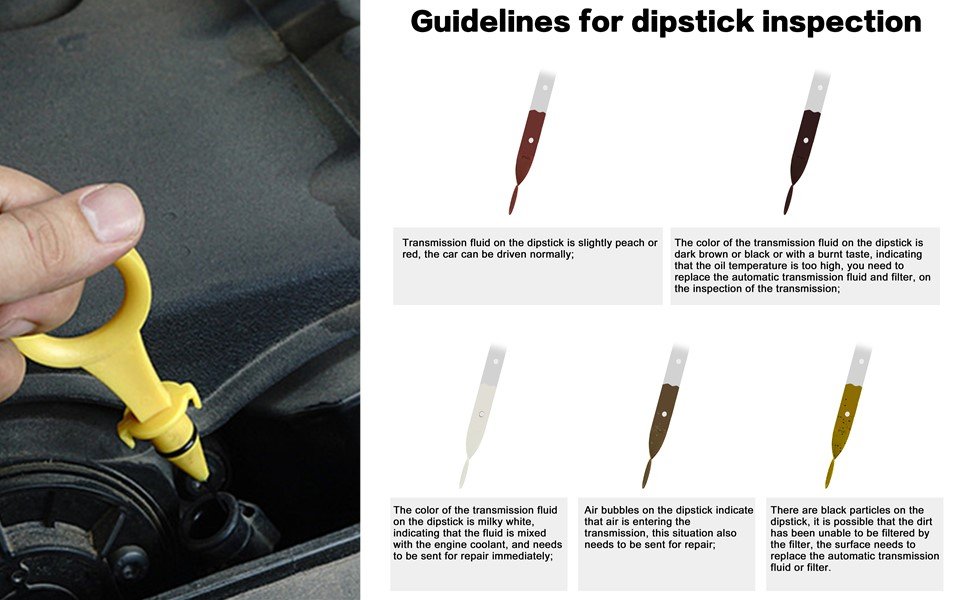
Also, check oil color and texture. Fresh oil is amber or light brown. If it’s black, gritty, or smells burnt, it’s time for a change.
6. Top Up If Needed
If your oil is low, use the correct oil type (check your manual most Grand Cherokees use 5W-20 or 0W-20 synthetic). Add oil slowly, checking the level after each addition to avoid overfilling.
7. Secure Everything
After checking or adding oil, reinsert the dipstick fully. Make sure the oil cap is tight and close the hood securely.
Quick Comparison: Common Oil Types For Jeep Grand Cherokee
Different engines require different oil types. Here’s a simple comparison:
| Engine | Recommended Oil | Oil Change Interval |
|---|---|---|
| 3.6L V6 | 5W-20 Synthetic | 7,500 miles |
| 5.7L V8 | 0W-20 Synthetic | 7,500 miles |
| 6.2L SRT | 0W-40 Synthetic | 6,000 miles |
Always use the oil grade listed in your owner’s manual.
Key Signs You Need An Oil Change
Not sure when it’s time? Watch for these warning signs:
- Oil looks dark or gritty
- Engine sounds louder than usual
- Oil change light is on
- Burning oil smell
- Engine feels sluggish
It’s a good idea to check your oil at least once a month, especially if you often drive in hot, dusty, or stop-and-go conditions.
Common Mistakes To Avoid
Many Jeep owners make these errors when checking oil:
- Checking oil on a slope: Always park on a flat surface for an accurate reading.
- Not waiting after shutdown: Oil needs time to settle.
- Overfilling: Adding too much oil can cause leaks or damage.
- Using the wrong oil: The wrong viscosity can harm your engine, especially in extreme temperatures.
A less obvious mistake is forgetting to check the condition of the oil. Even if the level is fine, dirty oil can’t protect your engine well.
Jeep Grand Cherokee Oil Capacity By Model Year
Knowing your oil capacity helps you avoid overfilling. Here’s a quick overview for recent models:
| Model Year | Engine | Oil Capacity (Quarts) |
|---|---|---|
| 2022–2024 | 3.6L V6 | 5.9 |
| 2022–2024 | 5.7L V8 | 7.0 |
| 2017–2021 | 3.6L V6 | 5.9 |
| 2017–2021 | 5.7L V8 | 7.0 |
Check your manual for older or less common engines.
Non-obvious Tips For Better Oil Checks
- Check oil after long drives: Oil can burn off on long trips, so check level after highway driving.
- Record oil checks: Keep a small notebook or use a phone app to track oil changes and levels. This can help diagnose leaks or consumption issues early.
When To See A Mechanic
If you notice oil below the minimum mark often, or see leaks under your Jeep, get it checked by a professional. Constantly low oil can mean internal engine wear or gasket problems. Also, if you find milky oil, it could indicate coolant mixing with oil—a serious issue.
External Resource
For more on oil types and vehicle maintenance, visit the official Jeep Maintenance Schedule.
Frequently Asked Questions
How Often Should I Check My Oil?
Check your oil at least once a month or before long road trips. If you drive in tough conditions, check more often.
Can I Use Any Engine Oil Brand?
Use only oils that meet Jeep’s specifications. Major brands are usually safe, but always match the viscosity and quality grade listed in your owner’s manual.
What If My Oil Level Is Above The Max Mark?
Too much oil can cause foaming, leaks, or engine damage. If you overfill, drain excess oil or ask a mechanic to correct it.
Is It Safe To Drive If My Oil Is Low?
Driving with low oil can damage your engine quickly. Add oil before driving, or have your Jeep towed if there’s no oil showing on the dipstick.
Why Does My Oil Look Milky?
Milky oil may mean coolant is mixing with oil, often due to a failing head gasket. This is a serious problem—see a mechanic immediately.
Taking a few minutes to check your oil can help your Jeep Grand Cherokee last longer and avoid costly repairs. Make it part of your routine, and your engine will thank you for years to come.