Checking the oil level in your Jeep Wrangler is a simple task, but it’s crucial for your engine’s health. If you drive with too little or too much oil, it can cause serious damage. Many new Jeep owners overlook this basic check, but learning how to do it can save you money and trouble. Let’s break down the process so you can do it confidently, even if you’re not a car expert.
Why Oil Level Matters In A Jeep Wrangler
Engine oil keeps your Wrangler’s engine cool and lubricated. Without enough oil, engine parts rub together and wear out faster. Too much oil can also cause foaming, leading to poor lubrication and even leaks. Checking oil regularly helps you catch problems early, like leaks or burning oil.
A recent survey showed that over 60% of breakdowns in vehicles over five years old are linked to poor maintenance, including low oil levels. For Jeep Wranglers, which are often used in rough conditions, this risk is even higher.
When To Check Your Oil
You don’t need to check the oil every day, but regular checks are smart. Here’s when it matters most:
- Every 1,000 miles or at least once a month
- Before and after long road trips
- After off-roading or driving in extreme conditions
- If you notice leaks or see the oil warning light
Always check the oil when the engine is cold or has been off for at least ten minutes. This lets the oil settle for an accurate reading.

Tools And Preparation
You don’t need special tools to check your Jeep’s oil:
- Clean rag or paper towel
- Gloves (optional, to keep hands clean)
- Owner’s manual (for oil type and engine location)
Park your Jeep on a flat, level surface. If the vehicle is on a hill, the reading will be inaccurate.
Step-by-step Guide To Checking Oil Level
Let’s walk through the process in clear steps:
- Open the hood: Pull the hood release lever (usually near the driver’s left foot), then open the hood fully and secure it.
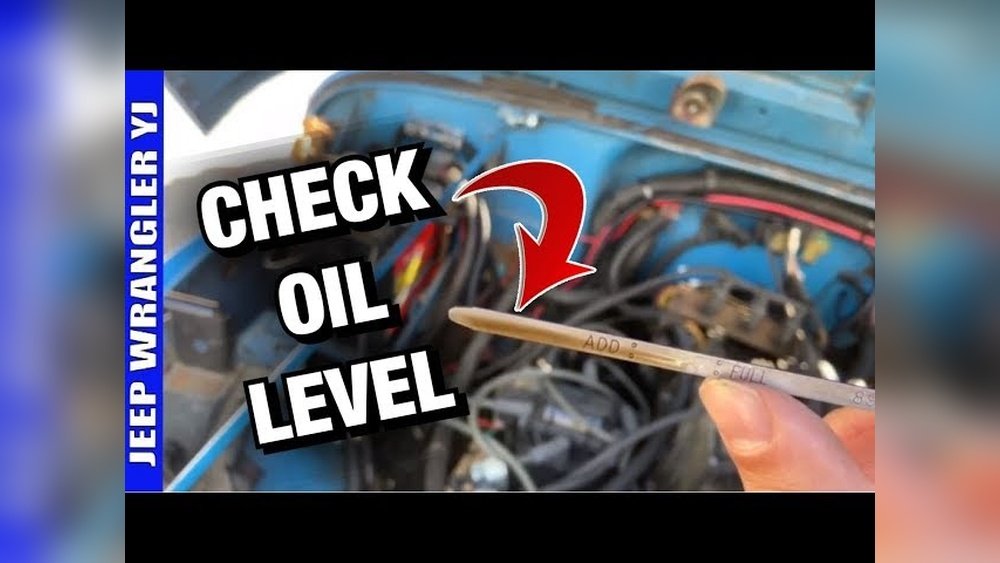
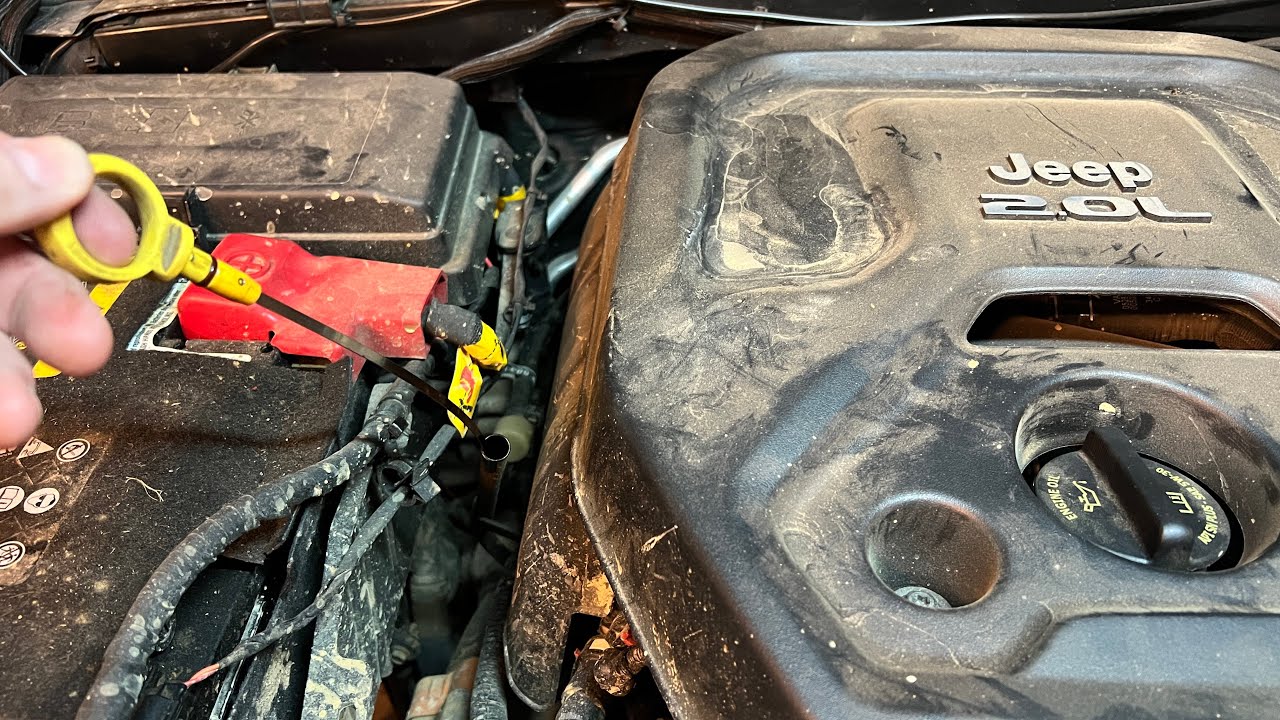
- Find the dipstick: Look for the dipstick handle—often yellow or orange—marked “Engine Oil.”
- Pull out the dipstick: Carefully remove it and wipe it clean with your rag.
- Reinsert the dipstick: Push it all the way back in, then pull it out again.
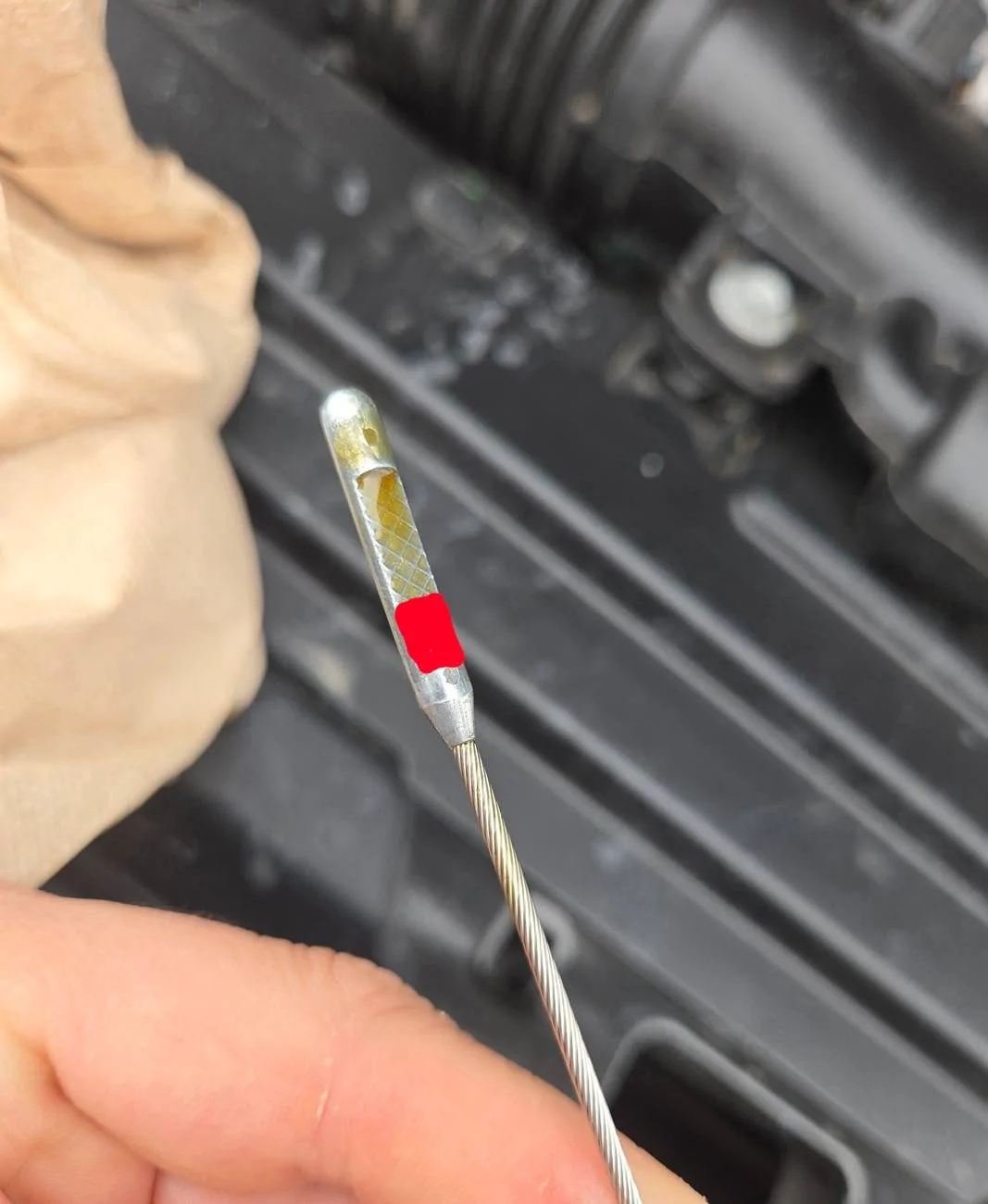
- Check the oil level: Look at the end of the dipstick. You’ll see lines or dots showing “Full” and “Add.” The oil should be between these marks.
- Examine oil color: Healthy oil is amber or light brown. If it’s very dark, gritty, or milky, you may need a change or to check for coolant leaks.
- Add oil if needed: If the level is below “Add,” carefully pour in the correct type of oil (see your manual). Add a little at a time, rechecking with the dipstick.
Here’s a quick comparison of oil levels and what they mean:
| Dipstick Reading | What It Means | Action Needed |
|---|---|---|
| Above “Full” | Too much oil | Remove excess oil |
| At “Full” | Ideal level | No action |
| Between “Add” and “Full” | Safe to drive | Top up soon |
| Below “Add” | Too little oil | Add oil immediately |
Common Mistakes To Avoid
Even experienced drivers sometimes make mistakes when checking oil. Watch out for these pitfalls:
- Checking on a slope: Always park on a flat surface.
- Not cleaning the dipstick: Old oil can hide the true level.
- Overfilling: Adding too much oil can damage the engine.
- Ignoring dirty oil: Oil that looks gritty or milky signals a bigger problem.
- Using wrong oil type: Always use the oil recommended in your manual.
Here’s a quick data table on the most common Jeep Wrangler oil types and their uses:
| Engine | Recommended Oil | Viscosity |
|---|---|---|
| 3.6L Pentastar V6 | Mopar, Pennzoil, Shell Helix | SAE 0W-20 |
| 2.0L Turbo I4 | Mopar, Pennzoil, Shell Helix | SAE 5W-30 |
| 3.0L EcoDiesel | Mopar, Shell Rotella | SAE 5W-40 |
Signs Of Oil Problems
It’s not just about checking levels. Watch for these warning signs:
- Burning oil smell
- Blue or white exhaust smoke
- Unusual engine noises
- Oil warning light on dashboard
If you notice any of these, check your oil immediately. Sometimes, the problem isn’t the level but a leak or engine issue.
Tips For Accurate Oil Checks
Here are two insights many Jeep owners miss:
- Wait at least 10 minutes after shutting off the engine before checking. Oil takes time to drain back into the pan for a true reading.
- Use the same method every time. Always check at the same time of day and with the engine cold. This gives you a consistent baseline.
Another tip: If you’ve just changed your oil, check the level after your first short drive. Oil filters and the engine may settle, lowering the level slightly.
How Often Should You Change Oil In A Jeep Wrangler?
Most Jeep Wranglers need an oil change every 5,000 to 7,500 miles for normal driving. If you do a lot of off-roading, towing, or driving in extreme heat or cold, change oil every 3,000 to 5,000 miles. Always use the oil type and amount listed in your manual.
Here’s a quick look at Jeep Wrangler oil change intervals:
| Driving Condition | Change Interval |
|---|---|
| Normal (city/highway) | 5,000–7,500 miles |
| Off-roading/towing | 3,000–5,000 miles |
| Severe weather | 3,000–5,000 miles |
Frequently Asked Questions
How Do I Know If My Jeep Wrangler Is Low On Oil?
If the oil warning light comes on, or you hear ticking noises from the engine, you might be low on oil. Checking the dipstick is the only way to be sure.
Can I Use Any Brand Of Oil In My Jeep Wrangler?
No. Always use the recommended oil from your owner’s manual. Using the wrong oil can affect engine life and may void your warranty. For more details on oil types, visit the official Jeep maintenance page.
What Happens If I Overfill The Oil?
Too much oil can cause foaming and increased pressure, which may lead to leaks or damage. If you overfill, drain the excess to the proper level as soon as possible.
How Do I Check Oil In A Jeep Wrangler With A Turbo Engine?
The process is the same, but make sure the engine is fully cool before checking. Turbo engines can run hotter, so waiting longer after driving is wise.
What Color Should My Engine Oil Be?
Fresh oil is amber or light brown. Dark oil is normal after some use, but gritty or milky oil can mean engine or coolant problems.
Checking your Jeep Wrangler’s oil takes just a few minutes but can prevent expensive repairs. Make it a routine part of your vehicle care, and you’ll keep your Wrangler running strong for years.