Checking the transmission fluid in your Jeep Grand Cherokee can prevent expensive repairs and keep your SUV running smoothly. Many drivers overlook this simple task, but regular checks are vital for a healthy transmission.
Whether your Grand Cherokee is new or has seen many miles, you can easily check the fluid at home if you follow the right steps. This guide will help you understand the process, avoid mistakes, and know what to look for.
Why Transmission Fluid Matters
Transmission fluid cools and lubricates the gears inside your automatic transmission. Low or dirty fluid can cause shifting problems, overheating, or even total transmission failure. Most Jeep Grand Cherokees require fluid checks every 30,000–60,000 miles, but checking more often is smart, especially if you drive in tough conditions.
Common Symptoms Of Transmission Fluid Issues
- Slipping gears
- Delayed shifting
- Strange noises
- Transmission overheating
If you notice any of these, check your fluid right away.
Tools And Preparation
Before you start, gather these tools:
- Clean rag or paper towel
- Long funnel (if adding fluid)
- Gloves (optional, keeps hands clean)
- Owner’s manual (for specifications)
Make sure your vehicle is parked on a flat surface, and the engine is warm but not running. This ensures an accurate reading.
Step-by-step: Checking Transmission Fluid
Not all Jeep Grand Cherokees have a dipstick. Many newer models use a sealed transmission. If your vehicle doesn’t have a dipstick, a mechanic must check the fluid. If your Grand Cherokee does have a dipstick, follow these steps:
- Turn on the engine and let it idle for a few minutes. The transmission fluid expands when warm.
- Shift through all gears (P, R, N, D, etc. ), then return to Park.
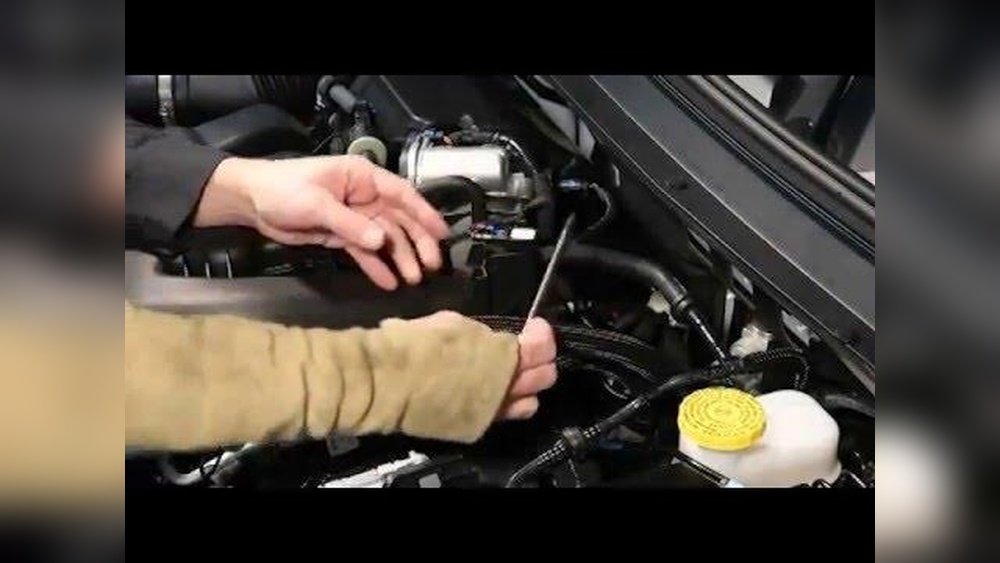
- Pop the hood and locate the transmission dipstick. It’s usually near the back of the engine bay, labeled “Transmission.”
- Pull out the dipstick and wipe it clean with your rag.
- Reinsert the dipstick fully, then pull it out again.
- Check the fluid level. The fluid should be between the “Full” and “Add” marks. If it’s low, add the recommended fluid slowly.
- Inspect fluid color and smell. Healthy fluid is bright red and smells clean. Dark or burnt-smelling fluid means it’s time to change it.
Example Fluid Level Readings
Here’s what you might see on your dipstick:
| Dipstick Mark | What It Means |
|---|---|
| Full | Fluid level is correct |
| Add | Needs more fluid |
| Low | Urgent to add fluid |
Choosing The Right Transmission Fluid
Using the correct transmission fluid is essential. Jeep Grand Cherokee models often use ATF+4 fluid, but always check your manual.
Fluid Types Comparison
| Fluid Type | Common Models | Color |
|---|---|---|
| ATF+4 | 2005–2021 | Red |
| Dexron III | Older models | Red |
| CVT Fluid | Special cases | Green |
Never mix fluid types, as this can cause damage. If you’re unsure, ask your dealer or mechanic.

Adding Transmission Fluid
If your fluid is low, add it slowly to avoid overfilling. Use a funnel and pour the fluid into the dipstick tube.
Check the level again after adding a small amount.
Overfilling Vs Underfilling
| Condition | Risk | Solution |
|---|---|---|
| Overfilled | Foaming, poor shifting | Drain excess fluid |
| Underfilled | Gear damage, overheating | Add fluid to correct mark |
One insight many beginners miss: transmission fluid expands when hot. Always check after the engine has warmed up for the most accurate level. Another tip: Always use a clean funnel to avoid contamination.
When To Seek Professional Help
If you see metal shavings in the fluid, or the level drops quickly after adding, your transmission may have internal damage. Also, if your Jeep Grand Cherokee has a sealed transmission (no dipstick), don’t try to open it yourself.
Mechanics use special tools for these systems.
Many people ignore fluid color, focusing only on the level. But dark or milky fluid often signals bigger problems like leaks or coolant mixing with the transmission fluid.
Extra Tips For Jeep Grand Cherokee Owners
- Check fluid every 6 months or before long trips.
- Use only approved fluids; generic brands can cause issues.
- Keep records of fluid checks and changes.
- Don’t rely on dashboard warnings alone, as some issues won’t trigger a light.
If you need more technical details, the official Jeep website offers service guides (Jeep Owners).
Frequently Asked Questions
How Often Should I Check My Jeep Grand Cherokee Transmission Fluid?
Check every 6 months or every 5,000 miles. If you drive in hot climates or tow heavy loads, check more often.
What If My Jeep Grand Cherokee Has No Dipstick?
Many newer models have sealed transmissions. In this case, only a mechanic can check the fluid using specialized equipment.
What Color Should The Transmission Fluid Be?
Healthy fluid is bright red. If it’s brown, black, or milky, change it immediately.
Can I Use Any Transmission Fluid?
No, always use the fluid type recommended in your owner’s manual. Using the wrong fluid can damage your transmission.
What Are Signs Of Low Transmission Fluid?
Look for slipping gears, delayed shifting, strange noises, or overheating. These are warning signs you shouldn’t ignore.
Checking your Jeep Grand Cherokee’s transmission fluid takes just a few minutes but can save you thousands in repairs. By following these steps, you protect your vehicle’s transmission and enjoy smoother, safer driving.
Stay alert to fluid changes and don’t hesitate to consult a professional if something seems wrong.