Checking the transmission fluid in your Jeep Compass is a simple task that can help prevent costly repairs. Transmission fluid keeps your car’s gears working smoothly, prevents overheating, and extends the life of your transmission. Many drivers overlook this maintenance step, but neglecting it can lead to shifting problems or even transmission failure. If you want your Jeep Compass to run reliably, learning how to check the transmission fluid is essential. This guide gives you step-by-step instructions, practical tips, and answers to common questions.
Why Transmission Fluid Matters
The transmission fluid acts as a lubricant and coolant for your vehicle’s gearbox. Without enough fluid or if it’s dirty, your Jeep Compass may experience:
- Hard shifting
- Slipping gears
- Strange noises
- Overheating
According to auto repair statistics, more than 13% of transmission failures in compact SUVs like the Jeep Compass are caused by low or contaminated fluid. Regular checks can save you from expensive fixes.
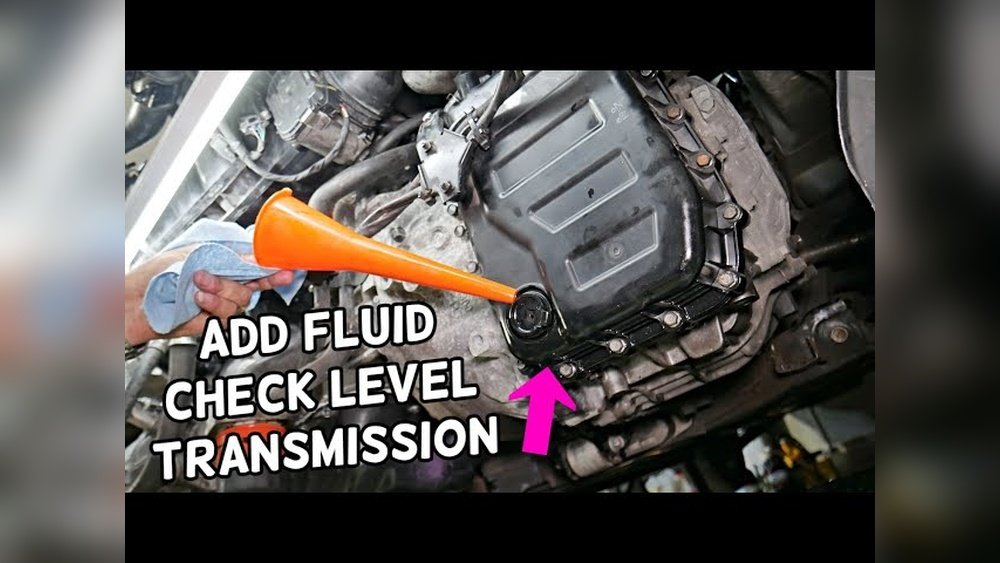
Preparing To Check The Fluid
Before you start, make sure you have the right tools and know your Jeep Compass model year. Some models use a sealed transmission (no dipstick), while others have a dipstick for easy checks.
Here’s what you’ll need:
- Clean rag or paper towel
- Gloves (optional)
- Flashlight (if working in low light)
- Owner’s manual
Tip: Always check the fluid when the car is warm and parked on a level surface. This gives the most accurate reading.
| Model Year | Transmission Type | Dipstick Present? |
|---|---|---|
| 2017-2020 | 6-Speed Automatic | Yes |
| 2021-2024 | 9-Speed Automatic | No (Sealed) |
| 2017-2024 | Manual | No |
Step-by-step Guide: Checking Transmission Fluid
For Models With A Dipstick
1. Warm Up The Engine
Start your Jeep Compass and let it run for about 5 minutes. Shift through all gears, then return to ‘Park’.
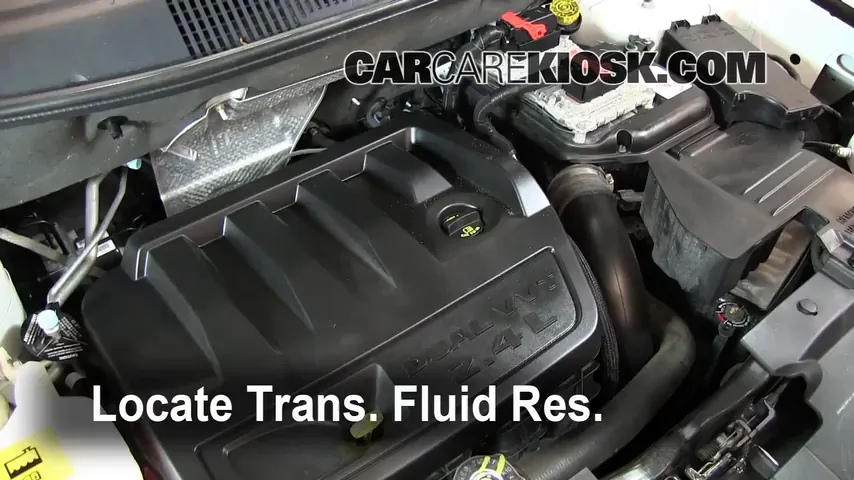
2. Locate The Dipstick
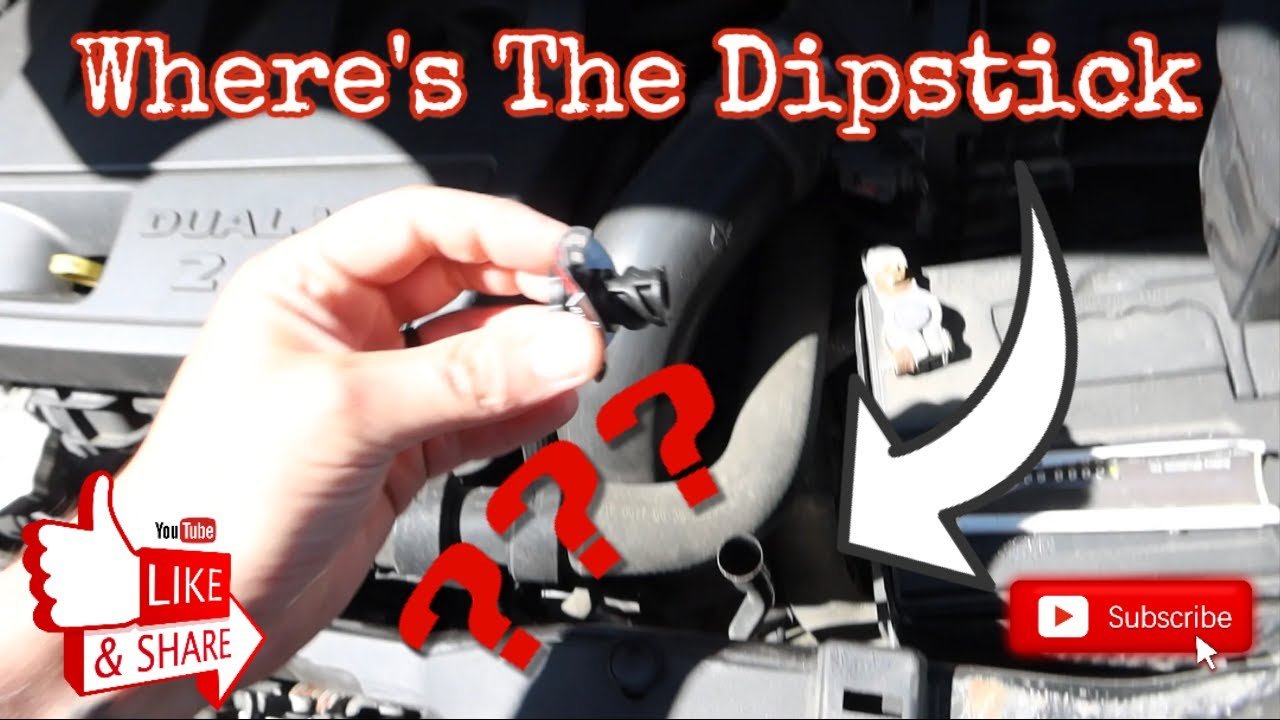
Open the hood. Look for the transmission dipstick, usually labeled and near the engine. The owner’s manual shows the exact spot.
3. Remove And Clean The Dipstick
Pull out the dipstick and wipe it clean with a rag.
4. Check The Fluid Level
Insert the dipstick fully, pull it out again, and read the fluid level. It should be between the ‘MIN’ and ‘MAX’ marks.
5. Inspect Fluid Condition
The fluid should be red or pink and smell fresh. Dark or burnt-smelling fluid means it’s time for a change.
6. Top Up If Needed
If the level is low, add the recommended transmission fluid slowly. Avoid overfilling.
For Sealed Transmissions
Newer Jeep Compass models use sealed transmissions. Checking the fluid is more complex and usually requires special tools or a mechanic.
- You can’t check the fluid level with a dipstick.
- The fluid is checked by removing a fill plug under the vehicle while the engine is running and warm.
- Only trained technicians should attempt this.
| Transmission Fluid Color | Condition | Action Needed |
|---|---|---|
| Bright Red | Healthy | No action |
| Light Brown | Ageing | Monitor |
| Dark Brown/Black | Burnt | Change fluid |
| Milky | Contaminated | Seek mechanic |
Common Mistakes To Avoid
Many Jeep Compass owners make these errors when checking transmission fluid:
1. Checking When Cold
Fluid expands when warm, so cold readings are inaccurate.
2. Using The Wrong Fluid Type
Always use the fluid recommended in your owner’s manual.
3. Overfilling
Too much fluid can damage the transmission.
4. Ignoring Dirty Fluid
Old or contaminated fluid will harm your transmission even if the level is correct.
5. Forgetting To Clean The Dipstick
Residue can give false readings.
When To Change Transmission Fluid
Jeep recommends changing transmission fluid every 30,000 to 60,000 miles, depending on driving habits. If you drive in hot climates or tow heavy loads, change it sooner.
| Driving Style | Recommended Change Interval |
|---|---|
| Normal city/highway | 60,000 miles |
| Towing/Heavy load | 30,000 miles |
| Extreme heat | 40,000 miles |
Practical Tips For Jeep Compass Owners
- Check fluid every 6 months or at every oil change.
- If your Compass is a newer model with a sealed transmission, have the fluid checked by a Jeep-certified mechanic.
- Keep a record of fluid checks and changes. It helps diagnose issues quickly.
- If you notice jerking, hesitation, or leaks, don’t wait—get your transmission checked.
Non-obvious insight: Some newer Jeep Compass models may show transmission warnings on the dashboard if fluid is low or overheated. Always pay attention to these alerts.
Another tip: If you drive in stop-and-go traffic daily, your transmission fluid may degrade faster than the standard interval. Adjust your maintenance schedule accordingly.
Frequently Asked Questions
How Do I Know If My Jeep Compass Has A Sealed Transmission?
Check your owner’s manual or look under the hood. If you don’t see a dipstick labeled ‘Transmission’, your model likely has a sealed transmission.
Can I Check Transmission Fluid Without A Dipstick?
For sealed transmissions, you can’t check the fluid easily at home. A mechanic uses special tools and procedures to check and fill the fluid.
What Happens If I Use The Wrong Transmission Fluid?
Using the wrong fluid can cause slipping, overheating, and long-term damage. Always use Jeep-approved fluid listed in your manual.
Is It Safe To Drive With Low Transmission Fluid?
No. Driving with low fluid can cause irreversible damage to your transmission. If you suspect a leak or low fluid, stop driving and get it checked.
Where Can I Find More Information About Jeep Compass Maintenance?
The official Jeep website and trusted resources like Edmunds offer detailed guides and maintenance schedules.
Taking a few minutes to check your Jeep Compass transmission fluid can keep your SUV running smoothly and prevent expensive repairs. Stay proactive, use the right fluid, and don’t ignore warning signs.
With these steps, your Jeep Compass will stay reliable for years to come.