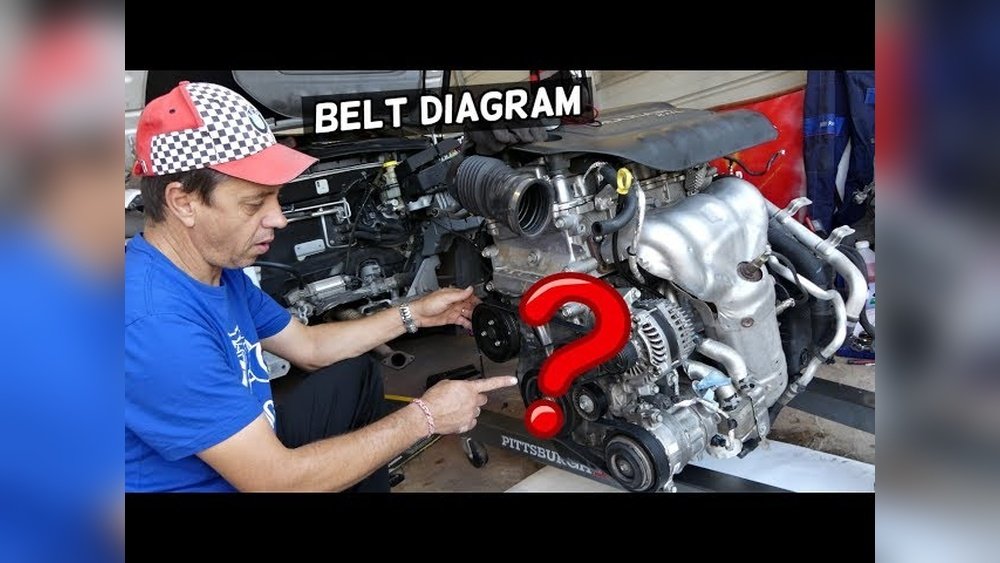
A clogged catalytic converter can cause serious problems for any vehicle. If you ignore the signs, your car may lose power, burn more fuel, or even fail to start.
Many drivers don’t realize how important this part is until their car breaks down.
Checking if your catalytic converter is clogged can save you money and keep your car running smoothly. Here’s how to spot trouble, test for blockages, and understand what to do next.
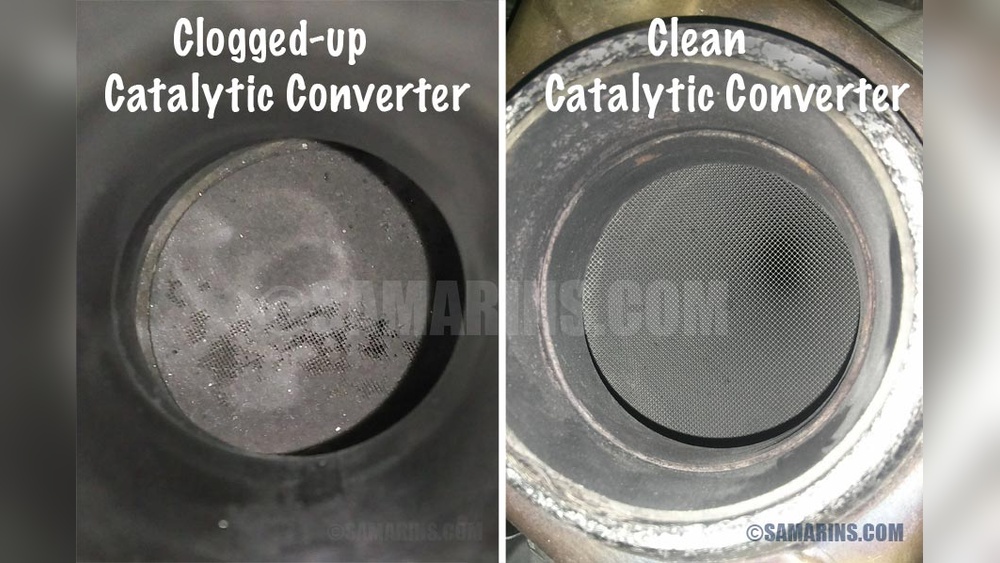
What Is A Catalytic Converter And Why Does It Matter?
A catalytic converter is a device in your car’s exhaust system. Its job is to change harmful gases into safer ones before they leave your tailpipe. It helps reduce pollution and keeps your car legal for emissions tests.
If the converter gets blocked, exhaust gases can’t escape easily. This makes your engine work harder and can cause damage.
Most converters last 10 15 years, but bad fuel, engine misfires, or oil leaks can cause them to clog sooner.
Warning Signs Of A Clogged Catalytic Converter
Knowing the symptoms is the first step. Here are the most common signs:
- Loss of power: Your car may feel slow, especially when accelerating.
- Engine misfires: The engine may shake or run unevenly.
- Poor fuel economy: You notice you’re filling up more often.
- Check engine light: This warning comes on if the converter isn’t working right.
- Sulfur smell: A rotten egg smell from the exhaust is a classic clue.
- Difficulty starting: Sometimes the car won’t start or stalls soon after.
These symptoms can mean other problems, so testing is important. Many beginners miss the fact that even small changes, like a slight drop in power, can be early warning signs.
Simple Tests For A Clogged Converter
Before replacing your converter, try these tests. You don’t need special tools for most of them.
Backpressure Test
A mechanic can measure exhaust backpressure by connecting a gauge near the converter. If pressure is higher than 3 psi at idle, or over 8 psi at 2,500 rpm, your converter is likely clogged.
Temperature Test
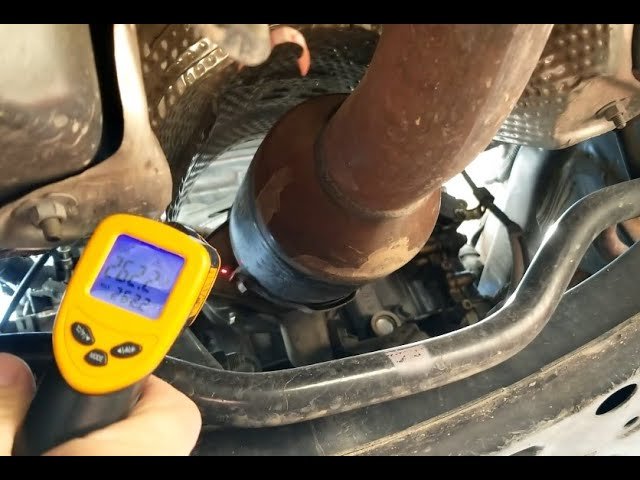
Use an infrared thermometer to check the converter’s temperature:
- Start your engine and let it idle for a few minutes.
- Measure the temperature at the inlet and the outlet of the converter.
If the outlet is cooler than the inlet, this suggests a blockage.
| Converter Location | Normal Temp (°F) | Clogged Temp (°F) |
|---|---|---|
| Inlet | 400–600 | 400–700 |
| Outlet | 500–800 | 300–500 |
Vacuum Test
Connect a vacuum gauge to the intake manifold. With the engine idling, note the vacuum reading. Then slowly rev the engine to 2,500 rpm:
- If the vacuum drops and stays low, the converter may be blocked.
- If the vacuum returns to normal, the converter is likely clear.
Physical Inspection
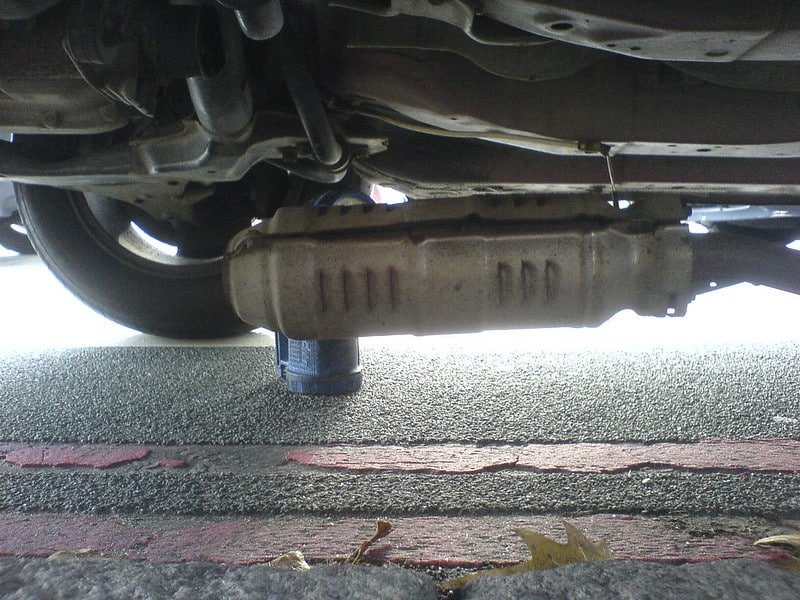
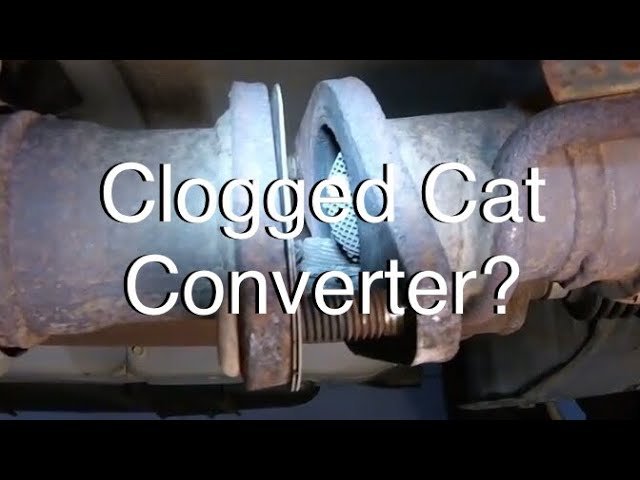
Look under your car for the converter. If it’s glowing red, it’s overheating a sign of a serious clog.
Some beginners miss the detail that a red-hot converter can also damage nearby parts.
Comparing Common Converter Problems
Not every converter problem means it’s clogged. Compare these situations:
| Problem | Main Symptom | Repair Cost (USD) |
|---|---|---|
| Clogged Converter | Loss of power, hot converter | 800–2,500 |
| Failed O2 Sensor | Check engine light, poor fuel economy | 150–300 |
| Exhaust Leak | Loud noise, fumes | 200–800 |
Step-by-step Guide To Checking For A Clog
- Park safely: Make sure the engine is cool before you start.
- Inspect for smells: Check for a sulfur or rotten egg odor from the exhaust.
- Check for power loss: Try accelerating. If it feels sluggish, note it.
- Look for glowing parts: After running the engine, check if the converter is glowing red.
- Test the temperature: Use a thermometer to compare inlet and outlet temps.
- Do a vacuum test: Connect a gauge and watch for changes as you rev the engine.
- Visit a mechanic: If you’re unsure, ask a professional for a backpressure test.
Many drivers miss the importance of comparing inlet and outlet temperatures. This can pinpoint a blockage better than guessing based on symptoms.
What Happens If You Ignore A Clogged Converter?
A clogged converter can:
- Reduce engine life
- Cause overheating
- Lead to failed emissions tests
- Make your car unsafe to drive
Replacing a converter is expensive. Catching problems early saves money and prevents bigger repairs.
Practical Tips To Prevent Clogging
- Use quality fuel: Cheap or contaminated fuel can damage the converter.
- Fix misfires quickly: Ignoring engine misfires leads to unburned fuel, which clogs the converter.
- Check for oil leaks: Oil burning in the engine can coat the converter and cause blockages.
- Regular maintenance: Have your exhaust and emissions system checked yearly.
Most people don’t realize that fixing engine misfires is the fastest way to protect the converter. Waiting too long can cause damage that can’t be repaired.
Frequently Asked Questions
What Causes A Catalytic Converter To Clog?
Several things can clog a converter. The most common are engine misfires, burning oil, or using poor-quality fuel. These lead to unburned particles sticking inside the converter.
Can I Clean A Clogged Catalytic Converter?
You can try cleaning products, but they rarely fix serious clogs. If the converter is badly blocked, replacement is usually needed.
How Long Does A Catalytic Converter Last?
Most converters last 10–15 years or about 100,000 miles. Bad maintenance or engine problems can shorten this lifespan.
Is It Safe To Drive With A Clogged Converter?
It’s not safe. A clogged converter can overheat, cause engine damage, and increase emissions.
You risk more expensive repairs if you keep driving.
How Much Does It Cost To Replace A Catalytic Converter?
Replacement costs vary, but most drivers pay $800–$2,500 for a new converter and installation. Prices are higher for rare or luxury cars. For more technical details, visit Wikipedia.
A healthy catalytic converter keeps your car running cleanly and efficiently. If you suspect a clog, act quickly.
Simple checks and early signs can help you avoid major repairs and keep your vehicle reliable for years.