Driving a Jeep 4xe is exciting because you get both gas and electric power. But many owners wonder, “Can I charge the battery while driving?”
Understanding this can help you get the best performance and save money. Let’s dive into how charging works on the road, what methods are available, and how you can maximize your Jeep 4xe’s hybrid system.
Jeep 4xe: How The Charging System Works
The Jeep 4xe is a plug-in hybrid. It combines a gas engine and an electric motor with a lithium-ion battery. Unlike fully electric cars, the 4xe can run on gas, electric, or both. The battery gives you up to 21 miles of electric range (EPA estimate), and the total range is about 370 miles. But if you want to use electric power more, you’ll need to keep the battery charged.
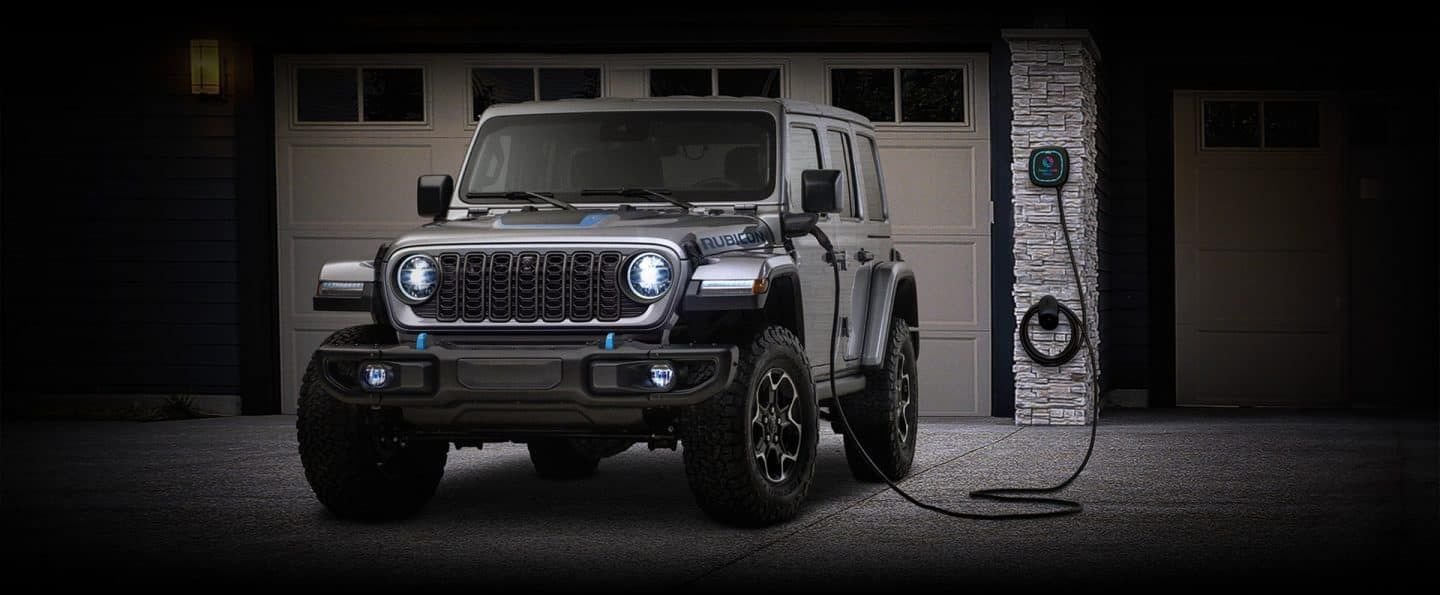
You can charge the battery with a wall charger or public station. But when you drive, the Jeep 4xe uses its own features to recharge the battery. This is where things get interesting.
Charging While Driving: Three Main Methods
While you can’t plug in and charge while moving, the Jeep 4xe has smart ways to recharge its battery on the go. Here are the main ones:
1. Regenerative Braking
Whenever you brake or slow down, the Jeep 4xe’s regenerative braking system recaptures energy. The electric motor acts like a generator and converts motion into electricity. This electricity goes back into the battery.
- This happens automatically, especially in city driving or stop-and-go traffic.
- You can see the battery charge increase on your dashboard after braking.
Regenerative braking is most effective in hilly areas or urban roads with frequent stops.
2. E-save Mode
The E-Save mode lets you save battery power or even charge it while driving. Here’s how it works:
- When you select E-Save, the Jeep uses the gas engine more.
- The system can either maintain the current battery charge or charge the battery using the gas engine.
- Charging uses extra fuel, but it’s helpful if you want to save electric power for later (like city driving).
You can switch to E-Save mode using the touchscreen or a button near the gear shift.
3. Engine-driven Charging
When you drive in hybrid mode, the gas engine and electric motor work together. Sometimes, the gas engine charges the battery, especially when the battery is low.
- This happens automatically based on your driving style and battery level.
- It’s less efficient than plugging in, but it keeps the Jeep running smoothly.
You’ll notice the battery charge increases during longer drives on highways.
Comparison: Charging Methods And Efficiency
Here’s a quick look at how each method compares for charging while driving:
| Method | How It Works | Efficiency | Best Use |
|---|---|---|---|
| Regenerative Braking | Captures energy from slowing/braking | High in city driving | Stop-and-go, hills |
| E-Save Mode | Uses gas engine to charge battery | Medium, uses extra fuel | Highway, save battery for later |
| Engine-Driven Charging | Hybrid system charges battery | Medium/low, automatic | Long trips, battery low |
Step-by-step: Using E-save Mode To Charge
If you want to actively charge the battery while driving, E-Save mode is your best option. Here’s how to do it:
- Start the Jeep 4xe and make sure you’re in drive.
- Press the E-Save button located near the gear shift.
- Use the touchscreen to select “Charge Battery” or “Save Battery.”
- Watch the battery icon on your dashboard. It will show charging progress.
- Switch back to Electric or Hybrid mode when you want to use battery power.
Remember, charging with the engine uses more gas. Use this option when you need electric range for later.
Charging Speed And Limits While Driving
Charging speed depends on the method:
- Regenerative braking is quick but limited by how much you slow down.
- E-Save mode charges slower than plugging in, usually about 1-2 kWh per hour.
- You can’t fully charge the battery while driving; the system limits charging to protect battery health.
- For a full charge, use a wall charger or public station, which can deliver 7.2 kWh per hour (Level 2).
Here’s a simple comparison:
| Charging Method | Estimated Charge Rate | Full Battery Possible? |
|---|---|---|
| Regenerative Braking | Varies (up to 1 kWh/hour) | No |
| E-Save Mode | 1-2 kWh/hour | No |
| Plug-In (Level 2) | 7.2 kWh/hour | Yes |
Practical Tips For Maximizing Battery Charge
To get the most from your Jeep 4xe while driving, follow these tips:
- Use regenerative braking as much as possible. Drive in city or hilly areas.
- Plan your trips with E-Save mode if you need battery power later (for clean driving in cities).
- Avoid using E-Save for long periods; it increases gas use.
- Plug in whenever possible for faster, more efficient charging.
- Keep tire pressure and maintenance up. This improves efficiency and helps the battery.
A non-obvious insight: Driving in hybrid mode with cruise control can balance battery use and charging better than manual driving.
Another tip: If you drive short distances daily, plug-in charging is far more efficient than charging while driving.
Common Mistakes Owners Make
Many new owners expect the Jeep 4xe to fully charge its battery while driving. This isn’t possible. The system is made to maintain or top off the battery, not fill it completely.
Some drivers use E-Save all the time, hoping for free electric miles. This leads to high gas consumption and is less efficient.
Always check your trip needs before switching modes.
Jeep 4xe Charging Compared To Other Plug-in Hybrids
How does the Jeep 4xe stack up against similar plug-in hybrids?
| Model | Electric Range | Charging While Driving | Battery Size |
|---|---|---|---|
| Jeep 4xe | 21 miles | Regenerative, E-Save | 17.3 kWh |
| Toyota RAV4 Prime | 42 miles | Regenerative, engine charging | 18.1 kWh |
| Ford Escape PHEV | 37 miles | Regenerative only | 14.4 kWh |
The Jeep 4xe is strong in rugged driving, but its charging while driving is similar to other plug-in hybrids.

Real-world Example
Many owners use E-Save mode to charge on highways before entering a city. For example, a driver saves battery on the interstate, then switches to electric mode for downtown traffic.
This strategy is common in places with strict emissions rules.
For official specs and more details, check out Jeep’s official site.
Frequently Asked Questions
Can I Fully Charge The Jeep 4xe Battery While Driving?
No, you can only top off or maintain the battery using regenerative braking or E-Save mode. For a full charge, you need to plug in.
Does Charging While Driving Use More Gas?
Yes. Using E-Save mode or engine-driven charging increases gas use because the engine works harder.
Is It Safe To Switch Between Modes While Driving?
Yes. Switching between electric, hybrid, and E-Save modes is safe and designed for easy use.
How Long Does It Take To Charge The Battery On The Road?
Charging rates are slow compared to plugging in. Regenerative braking and E-Save mode may add a few miles over a long drive.
Will Driving In Hybrid Mode Help Battery Life?
Yes. Hybrid mode balances battery use and charging, which helps maintain battery health over time.
Driving a Jeep 4xe lets you enjoy both electric and gas power. While charging while driving isn’t fast or complete, knowing how it works helps you use your hybrid wisely.
Use the right modes, plan your trips, and plug in when you can.
This way, you get the most from your Jeep 4xe without wasting fuel or battery power.