Owning a Jeep Compass means you get a reliable SUV with modern features. One of these features is the auxiliary battery.
This small battery supports key functions like start-stop technology, infotainment, and electrical systems. But what happens when it needs charging?
Many owners get confused, especially if they are used to vehicles with just one battery. If your auxiliary battery is weak or dead, your Compass may show warning lights or stop-start might not work.
This guide explains how to charge the auxiliary battery in your Jeep Compass safely and easily, even for beginners.
What Is The Auxiliary Battery In Jeep Compass?
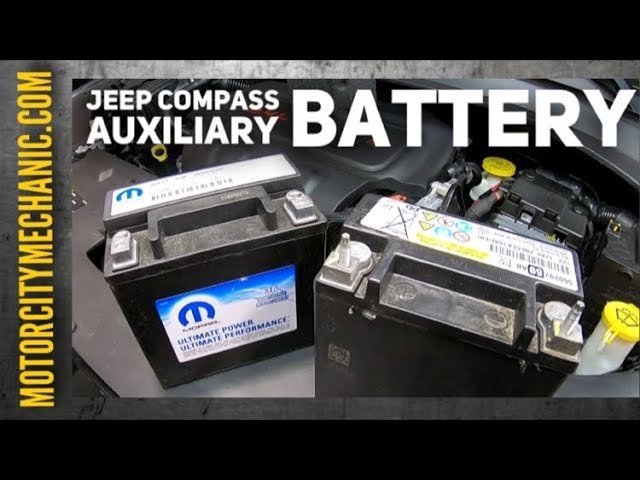
The Jeep Compass uses two batteries: the main battery and the auxiliary battery. The auxiliary battery is a smaller, secondary unit. It powers certain electronics and keeps start-stop working smoothly. If you often drive in heavy traffic, this battery is crucial because it helps save fuel and reduces emissions.
A common mistake is thinking the auxiliary battery is just a backup for the main battery. In reality, it works independently for specific systems.
Ignoring it can lead to annoying issues such as electrical faults or the start-stop system failing.
Signs Your Auxiliary Battery Needs Charging
Most Compass owners notice the issue when:
- The start-stop system stops working.
- Warning messages like “Auxiliary Battery Low” appear.
- Electrical components behave strangely (radio resets, lights dim).
Some drivers ignore these signs, thinking it’s just a glitch. But a weak auxiliary battery can slowly impact your Jeep’s performance.
Preparing To Charge The Auxiliary Battery
Before you charge, make sure you have:
- Basic tools: Screwdriver, gloves, safety glasses.
- Battery charger: Choose a charger suitable for 12V AGM batteries. Many Jeep Compass auxiliary batteries are AGM (Absorbent Glass Mat) type.
- Clean workspace: Charging a battery near dirt or water is dangerous.
Safety is important. Always wear gloves and eye protection.
Turn off the vehicle and remove the key. Wait 10 minutes to let electrical systems shut down.
Locating The Auxiliary Battery
In the Jeep Compass, the auxiliary battery is usually in the engine bay, but sometimes it is under the passenger seat or in the trunk. Check your owner’s manual if you’re unsure.
Here’s a quick comparison between battery locations:
| Battery | Typical Location | Access Difficulty |
|---|---|---|
| Main Battery | Engine Bay (front) | Easy |
| Auxiliary Battery | Engine Bay / Under Seat / Trunk | Medium |
Some newer models have both batteries side-by-side under the hood. Older models may require removing panels or seats.
Step-by-step: How To Charge The Auxiliary Battery
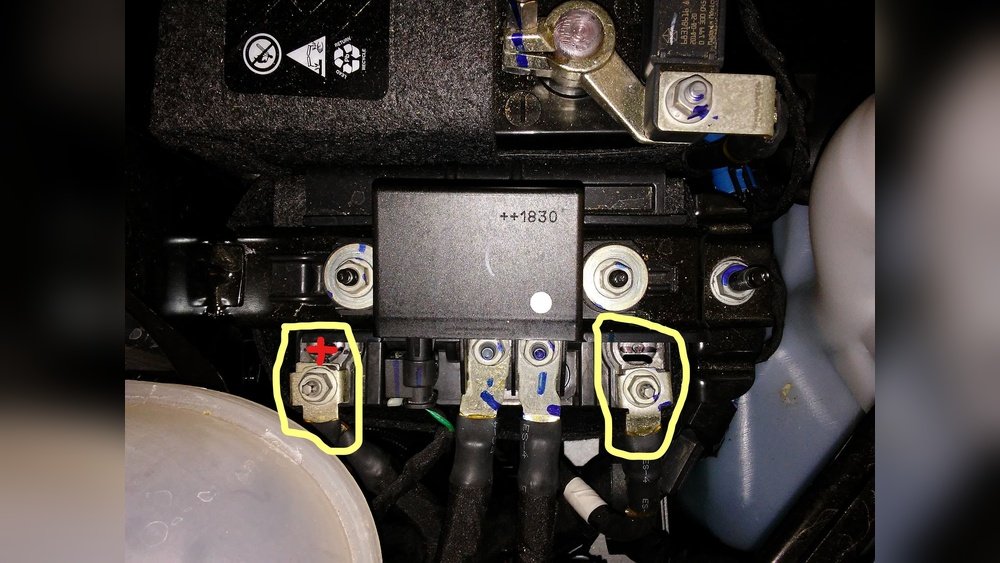
- Disconnect the negative cable from the main battery. This prevents electrical shorts.
- Access the auxiliary battery. Remove covers or panels if needed.
- Inspect the battery terminals. If they are corroded, clean them with a wire brush.
- Connect the charger:
- Attach the positive (red) lead to the positive terminal.
- Attach the negative (black) lead to the negative terminal.
- For AGM batteries, use a charger with AGM settings.
- Set the charger to 12V and select the correct mode (AGM if required).
- Begin charging. Most chargers have indicator lights. Charging time depends on battery size and charger power, but typical times are:
- For a 12V 12Ah battery: 2–4 hours (at 3–6 amps)
- Monitor progress. Do not leave the battery unattended.
- When fully charged, turn off the charger and remove the leads.
- Reconnect battery cables and replace any covers.
Here’s a simple charging time comparison:
| Battery Capacity | Charger Amp Setting | Estimated Charging Time |
|---|---|---|
| 12Ah | 3A | 4 hours |
| 12Ah | 6A | 2 hours |
Common Mistakes And How To Avoid Them
- Wrong charger type: Using a standard lead-acid charger on an AGM battery can damage it.
- Charging while battery is connected: Always disconnect at least one terminal.
- Ignoring corrosion: Dirty terminals reduce charging efficiency.
- Overcharging: Leaving the charger on too long can overheat the battery.
- Not checking battery health: If your battery fails to hold charge, it may need replacement.
A non-obvious tip: If your Compass is parked for long periods, charge the auxiliary battery every 4–6 weeks. This keeps it healthy and avoids sudden failures.

What If The Auxiliary Battery Won’t Charge?
If your battery does not charge or loses charge quickly, it might be dead. Jeep Compass auxiliary batteries usually last 3–5 years. Signs of a dead battery include:
- Charger shows “fully charged” instantly.
- Battery voltage is below 10V after charging.
In this case, replace the battery. Use the same type and capacity as the original.
If unsure, ask a mechanic or check the Jeep website.
How Charging The Auxiliary Battery Helps
Charging the auxiliary battery restores:
- Start-stop system performance.
- Electrical stability (radio, lights, sensors).
- Fuel savings during city driving.
Many owners notice smoother operation and fewer warning lights after charging. It’s a simple job that prevents bigger issues later.
Frequently Asked Questions
How Often Should I Charge The Auxiliary Battery?
It depends on your driving habits. If you drive daily, the battery charges itself.
If your Jeep sits unused for weeks, charge every 4 6 weeks.
What Type Of Charger Should I Use?
Use a 12V charger suitable for AGM batteries. Always check the battery label for specifications.
Can I Jump-start The Auxiliary Battery?
No, jump-starting only helps the main battery. The auxiliary battery should be charged with a proper charger.
Is It Safe To Charge Both Batteries At The Same Time?
Not recommended. Always charge batteries individually to prevent electrical issues.
Where Can I Find More Information About Jeep Compass Batteries?
Visit the official Jeep website or read guides like Jeep Official for detailed specs and instructions.
Taking care of your Jeep Compass auxiliary battery is easier than you think. With the right charger and a little attention, you can fix common problems and keep your SUV running smoothly.
Remember, a healthy auxiliary battery means fewer headaches and more reliable driving.