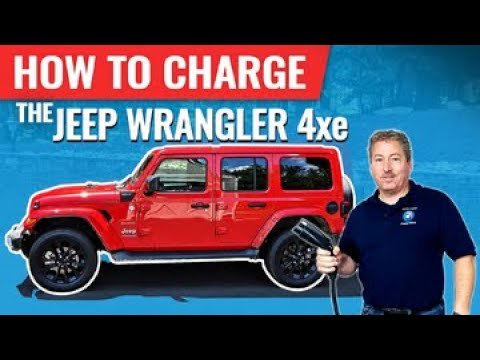
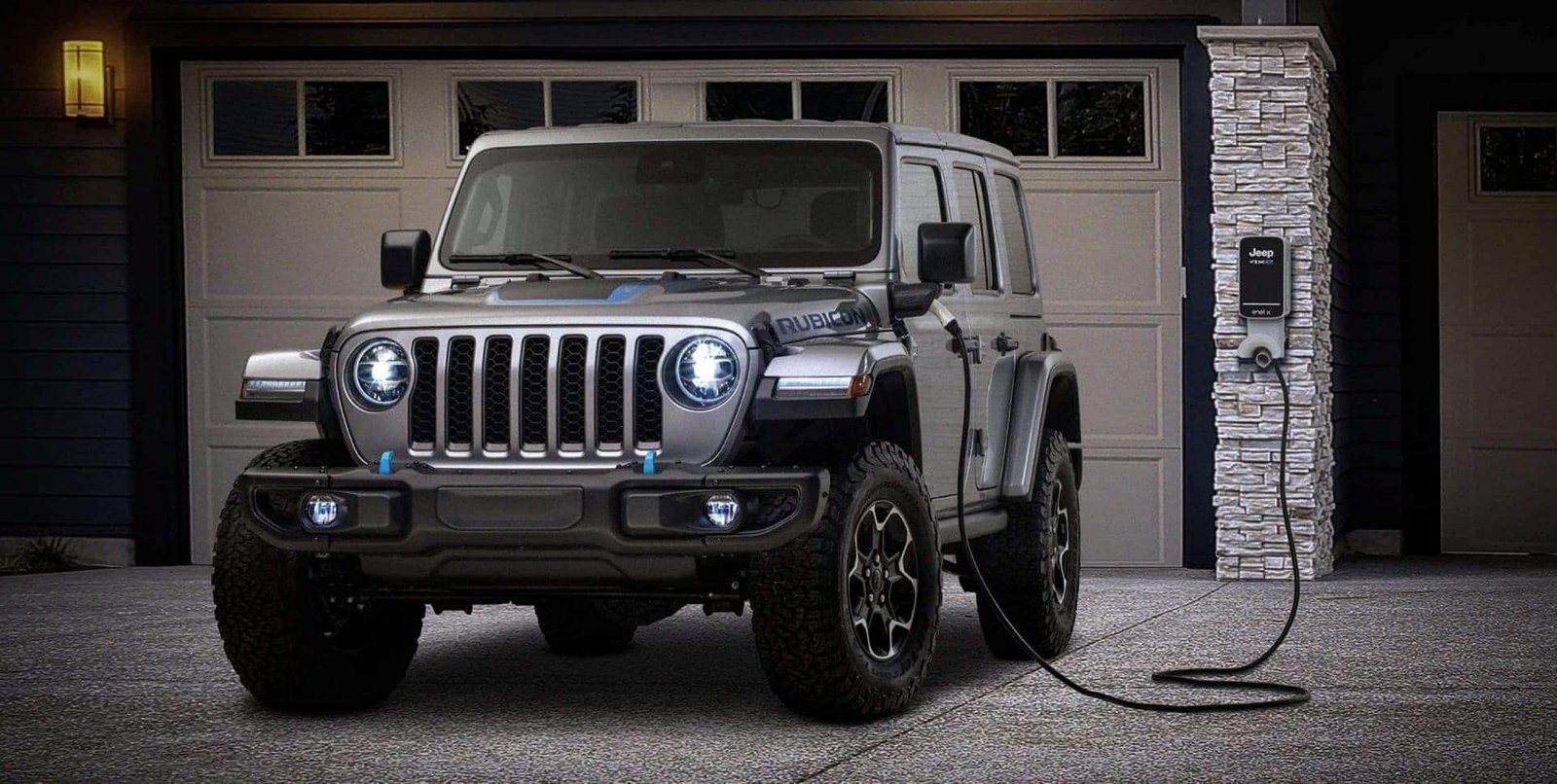
Charging your 2024 Jeep Wrangler 4Xe is easier than you might think, but understanding the right way to do it makes a big difference. Whether you want to use electric power for daily driving or prepare for a road trip, learning how to charge this plug-in hybrid will help you get the most from your vehicle. This guide walks you through the process, shares important tips, and answers common questions so you can drive with confidence.
Understanding The Jeep Wrangler 4xe’s Charging System
The Jeep Wrangler 4Xe uses a plug-in hybrid system, which combines a gasoline engine with a rechargeable battery. The battery allows for all-electric driving, usually for short distances (up to 21 miles on a full charge), and helps improve fuel efficiency. Charging the battery is simple, but there are different methods, each with its own benefits.
Types Of Charging: Level 1 Vs Level 2
You can charge your Wrangler 4Xe in two main ways:
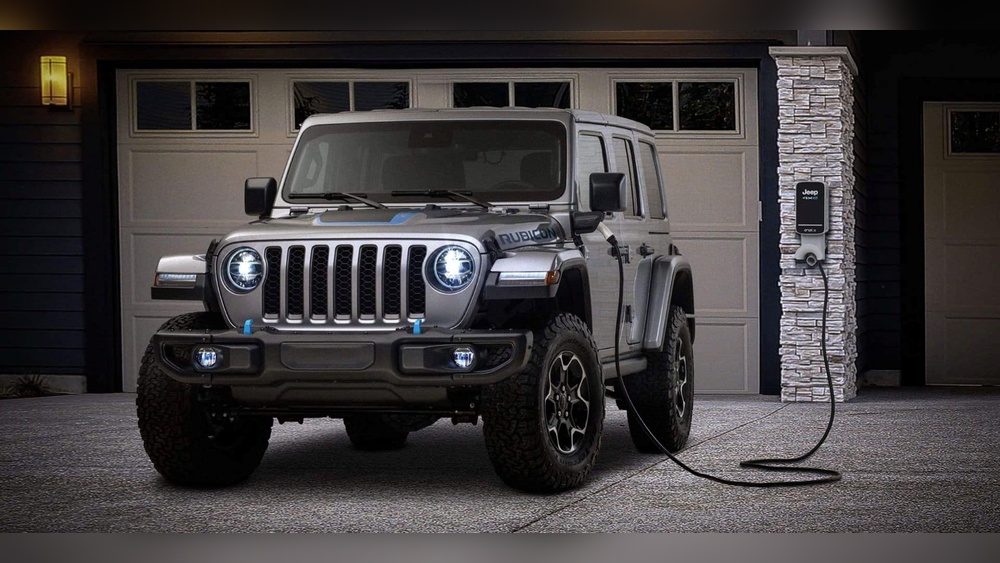
- Level 1 Charging (120V): Uses a standard household outlet. It’s slow but convenient for overnight charging.
- Level 2 Charging (240V): Uses a special home or public charging station. It’s much faster and ideal for quick top-ups.
Here’s a quick comparison:
| Charging Type | Voltage | Time for Full Charge | Where to Use |
|---|---|---|---|
| Level 1 | 120V | ~12 hours | Home |
| Level 2 | 240V | ~2 hours | Home/Public |
For most owners, Level 2 charging is the best option if you want speed and convenience.
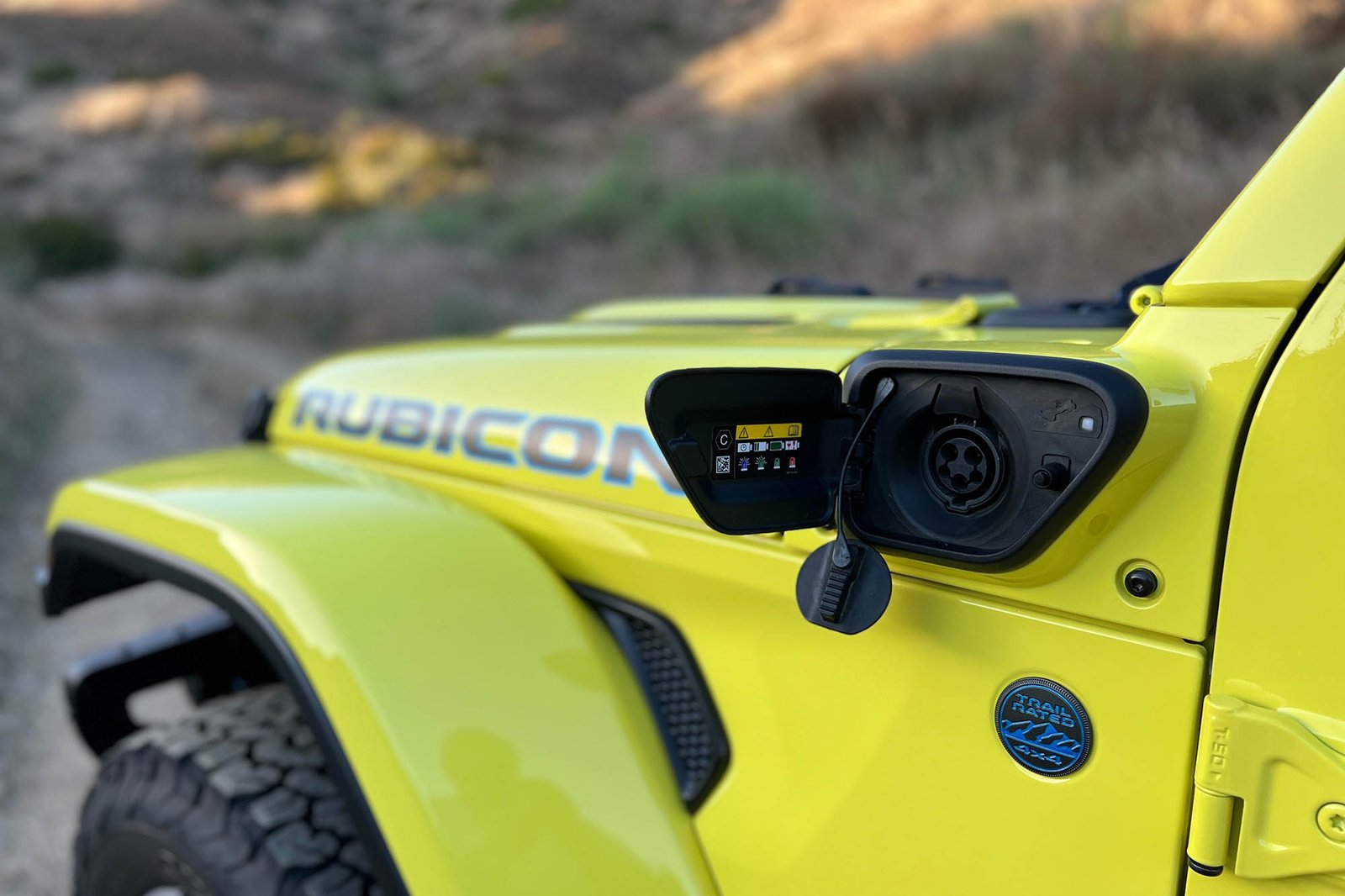
Step-by-step: How To Charge Your 2024 Jeep Wrangler 4xe
Charging your Wrangler 4Xe is safe and simple if you follow these steps:
1. Park Safely
Always park your Jeep in a dry, flat area near your charging station. Make sure the vehicle is in Park and the ignition is off.
2. Open The Charging Port
The charging port is located on the driver’s side, just in front of the door. Pull the cover open gently.
3. Plug In The Charger
Take your charging cable (from your home charger or a public station) and insert the connector into the vehicle’s port until you hear or feel a click.
4. Confirm Charging
A light on the dashboard and near the charging port will show the charging status. A blinking light usually means charging is in progress; solid means charging is done.
5. Unplug When Finished
After charging, press the release button on the connector and remove the cable. Close the charging port cover to protect it from dust and water.
6. Monitor Charging Remotely
You can use the Jeep mobile app to check charging status, set schedules, or get alerts when charging is complete.
Home Charging Installation Tips
Installing a Level 2 charger at home will make charging faster and easier. Here’s what to consider:
- Hire a certified electrician to install a 240V outlet.
- Choose a charger with at least 32 amps for best results.
- Pick a spot near your parking area and check for weather protection.
Some electric companies offer rebates for installing home chargers. Check with your local utility for deals or discounts.
Charging At Public Stations
Many drivers use public chargers for convenience. Apps like PlugShare or ChargePoint can help you find stations near you. Make sure the station supports the J1772 connector, which is standard for the Wrangler 4Xe.
Public chargers often require a payment card or app to start charging. Some are free, but most charge by the hour or kWh.
Here’s a comparison of public charging networks:
| Network | Average Cost (per kWh) | Availability |
|---|---|---|
| ChargePoint | $0.20–$0.40 | High |
| EVgo | $0.30–$0.45 | Medium |
| Blink | $0.39–$0.49 | Medium |
Charging Safety And Battery Care
To keep your battery healthy and avoid damage:
- Avoid using extension cords for charging.
- Don’t charge in heavy rain unless your station is certified for outdoor use.
- Unplug the charger properly—never pull the cable by force.
- Charge the battery regularly. Letting it drop to 0% often can reduce battery life.
One insight: Charging from 20% to 80% is usually fastest. The last 20% takes longer due to battery protection systems.
How Long Does It Take And What Does It Cost?
A full charge at Level 1 takes about 12 hours, while Level 2 can finish in 2 hours. The Wrangler 4Xe battery holds about 17 kWh. If your electricity costs $0.13 per kWh, a full charge costs around $2.20.
Here’s a quick look:
| Charger Type | Full Charge Time | Estimated Cost |
|---|---|---|
| Level 1 | ~12 hours | $2.20 |
| Level 2 | ~2 hours | $2.20 |
This is much less than what you’d spend on a tank of gas for the same distance.
Common Mistakes To Avoid
- Using the wrong connector. Always use a J1772 plug for the Wrangler 4Xe.
- Not planning for charging on long trips.
- Ignoring charging station instructions or signs.
- Leaving the charger plugged in after charging is complete (some public stations charge idle fees).
Another insight: Setting a charging schedule can save money if your utility offers lower rates during off-peak hours.
Wrapping Up
Charging your 2024 Jeep Wrangler 4Xe is straightforward once you know the basics. Using a Level 2 charger at home or public stations is the fastest way to keep your Jeep ready for adventure.
Pay attention to safety, plan your charging stops, and take advantage of smart charging features for the best experience.
With these tips, you’ll enjoy quieter, cleaner driving and save money at the pump.
If you want to learn more about plug-in hybrids and charging infrastructure, visit the U.S. Department of Energy.
Frequently Asked Questions
How Far Can I Drive On Electric Power Only?
The 2024 Jeep Wrangler 4Xe can drive up to 21 miles on battery power alone. After that, the gasoline engine takes over.
Can I Use A Regular Wall Outlet To Charge?
Yes, a standard 120V outlet works for Level 1 charging. It’s slower but good for overnight charging.
Is It Safe To Charge In The Rain?
Yes, if your charging station is weatherproof. The Jeep’s charging port is also designed to keep out water.
Does Fast Charging Damage The Battery?
No, Level 2 charging is safe and recommended. The Wrangler 4Xe does not support DC fast charging, so battery stress is minimal.
Can I Leave My Jeep Plugged In After It’s Fully Charged?
It’s safe to leave it plugged in for a few hours, but unplugging when finished is best, especially at public stations to avoid extra fees and free up the charger for others.