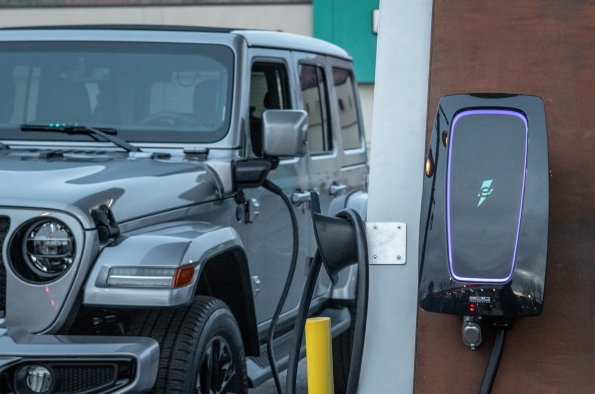
Owning a Jeep 4xe brings a new driving experience: it’s powerful, eco-friendly, and lets you switch between gas and electric power. But to get the most from your 4xe, you need to know how to charge it the right way.
Charging is simple once you understand your options, the equipment, and what impacts charging speed. This guide explains everything in clear language so you can keep your Jeep 4xe ready for every adventure.
Understanding Your Jeep 4xe’s Charging System
The Jeep 4xe is a plug-in hybrid, meaning it uses both a gasoline engine and a battery-powered electric motor. The battery gives you up to 21 miles of all-electric driving (EPA estimate), which is perfect for city trips and daily errands.
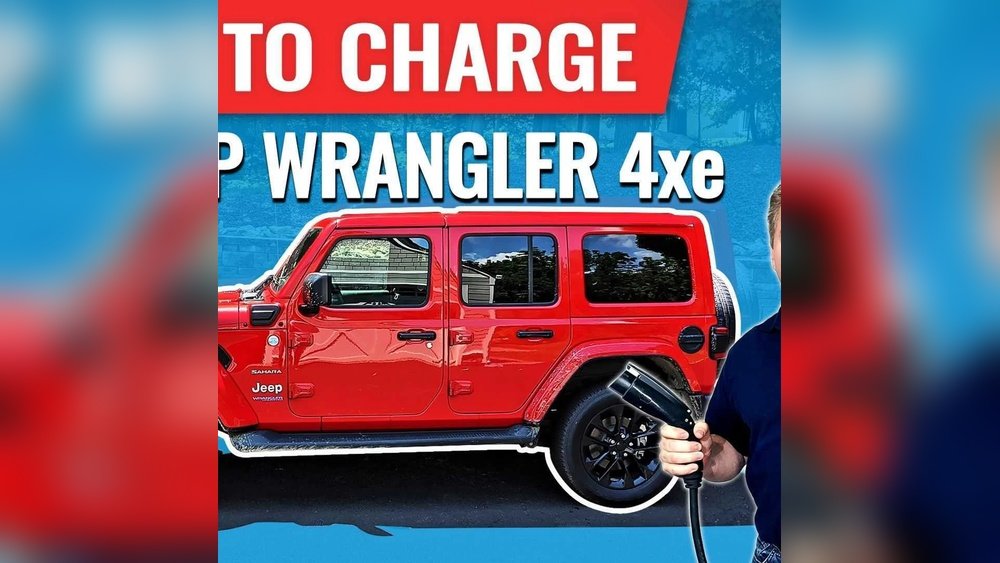
The 4xe comes with a Level 1 charging cable, but you can also use faster charging stations. The car’s battery has a 17.3 kWh capacity. Knowing your battery size helps you estimate how long charging will take.
Charging Methods For Jeep 4xe
You can charge your Jeep 4xe in different ways, depending on what’s available and how quickly you want to charge.
| Charging Method | Voltage | Charging Speed | Time (0-100%) |
|---|---|---|---|
| Level 1 (Standard Outlet) | 120V | Slow | ~12 hours |
| Level 2 (Home/Station) | 240V | Faster | ~2 hours |
| DC Fast Charging | N/A | Not Supported | N/A |
The 4xe does not support DC fast charging, so you’ll use either Level 1 or Level 2.
Level 1 Charging (standard Outlet)
Plug the Jeep’s charging cable into any normal home outlet. This is the slowest method—charging from empty to full takes about 12-14 hours. It’s best for overnight charging or if you drive short distances daily.
Level 2 Charging (240v)
Level 2 chargers need a special outlet, like the one for a clothes dryer, or a public charging station. With Level 2, you can fully charge your 4xe in about 2 hours. Many owners install a Level 2 charger at home for faster and more convenient charging.
Step-by-step: How To Charge Your Jeep 4xe
Charging is easy once you know the steps.
- Park and Turn Off: Put your Jeep in park and turn off the engine.
- Open Charge Port: The charge port is on the driver’s side, near the front wheel.
- Connect Charger: Plug the charger into the port. Make sure it clicks and the blue light appears.
- Check Charging Status: The indicator light will show charging status—solid blue means charging, blinking means waiting, and green means fully charged.
- Unplug and Close: When charging is done, unplug the charger and close the port door.
One non-obvious tip: Always check the connection is secure. If the charger is not fully clicked in, charging may not start.
Home Charging Vs Public Charging
Many owners wonder if they should rely on home charging or use public stations. Here’s a quick comparison:
| Home Charging | Public Charging |
|---|---|
| Convenient, charge overnight | Faster if Level 2, but may cost more |
| Cheaper (lower electricity rates) | Useful for long trips or if you can’t install a charger |
| Requires installation for Level 2 | May require membership or payment |
If you drive daily and have a driveway or garage, a Level 2 home charger is usually the best investment. But if you live in an apartment, public charging makes sense.

Choosing A Home Charger
When picking a Level 2 home charger, focus on these factors:
- Power (Amps): 32A is common and gives fast charging.
- Cable Length: Make sure the cable reaches your Jeep easily.
- UL Certification: Ensures the charger is safe.
- Smart Features: Some chargers let you track charging with a phone app.
Many people forget about installation costs. A dedicated 240V outlet may require an electrician and permits. Plan for this in your budget.
Charging Costs And Savings
Charging your Jeep 4xe at home is much cheaper than using gasoline. On average, it costs about $1.50 to $2.00 for a full charge at US electricity rates (around $0.13 per kWh).
Let’s compare the typical cost per mile:
| Power Source | Cost per Mile |
|---|---|
| Electricity | ~$0.05 |
| Gasoline | ~$0.12 (at $3.50/gal, 30 mpg) |
That’s more than 50% savings per mile when driving on electricity!

Maximizing Battery Life And Efficiency
To keep your 4xe battery healthy:
- Charge regularly, but don’t leave it plugged in for days at a time.
- Avoid running the battery to 0% before charging.
- Use the Jeep’s eSave mode for longer trips to save battery for later.
- In cold or hot weather, charging may take longer—plan ahead.
A common mistake is using only public chargers and rarely charging at home. This can be less convenient and more expensive.
Charging In Different Weather Conditions
Charging speed can change with temperature. In cold weather, the battery may warm up before charging starts.
In hot weather, charging could slow down to protect the battery. Try to park in a garage or shaded area for best results.
Useful Charging Apps And Resources
Apps like PlugShare or ChargePoint help you find public charging stations. Jeep’s Uconnect app lets you monitor charging, set schedules, and get notifications when charging is done. For more official info, you can visit the Jeep 4xe official site.
Frequently Asked Questions
How Long Does It Take To Charge A Jeep 4xe At Home?
With a standard outlet (Level 1), it takes about 12 hours to fully charge. With a Level 2 charger, it’s about 2 hours.
Can I Use A Tesla Charger For My Jeep 4xe?
Not directly. Tesla chargers use a different plug.
Some public Tesla stations have an adapter for other EVs, but check compatibility before use.
Does Frequent Charging Harm The Battery?
No, frequent charging is safe. The 4xe’s system manages the battery to prevent damage.
Just avoid leaving it plugged in at 100% for many days.
What Happens If I Don’t Charge The Battery?
You can still drive using gasoline, but you’ll lose the electric-only range and the main benefits of your plug-in hybrid.
Is It Safe To Charge The Jeep 4xe In The Rain?
Yes. The charging system is designed to be safe in all weather, including rain.
Just make sure the charger and cable are in good condition.
Charging your Jeep 4xe is simple and can save you time and money. With the right setup and habits, you’ll enjoy more electric miles and fewer stops at the gas station.