Changing the thermostat on your 2015 Jeep Renegade is a smart way to solve overheating, poor heating, or temperature fluctuation issues. Many drivers think this job is only for mechanics, but with the right tools and clear steps, you can do it yourself and save money.
In this guide, you’ll learn everything you need to know, from tools and parts to common mistakes and practical tips. Whether you are new to car repairs or have some experience, you’ll find this step-by-step process easy to follow.
Why Change The Thermostat?
The thermostat controls your engine’s temperature. If it gets stuck, your Jeep might overheat or run too cold. Signs you need a new thermostat include:
- Temperature gauge going up and down quickly
- Heater not working well
- Engine takes a long time to warm up
- Coolant leaks under the vehicle
Many people miss the early signs and only act when the engine overheats. Changing the thermostat early can protect your engine from expensive damage.
Tools And Parts Needed
Before you start, gather these items:
- New thermostat (compatible with 2015 Jeep Renegade)
- Gasket or O-ring
- Socket wrench set
- Screwdriver
- Drain pan
- Coolant (check your owner’s manual for the type)
- Pliers
- Clean rags
Tip: Always use genuine parts when possible. Cheap thermostats can fail quickly.

Step-by-step Guide
Follow these steps to change your thermostat safely and efficiently.
1. Let The Engine Cool
Never work on a hot engine. Wait at least 30 minutes after driving.
This helps avoid burns and keeps the coolant from spraying.
2. Locate The Thermostat
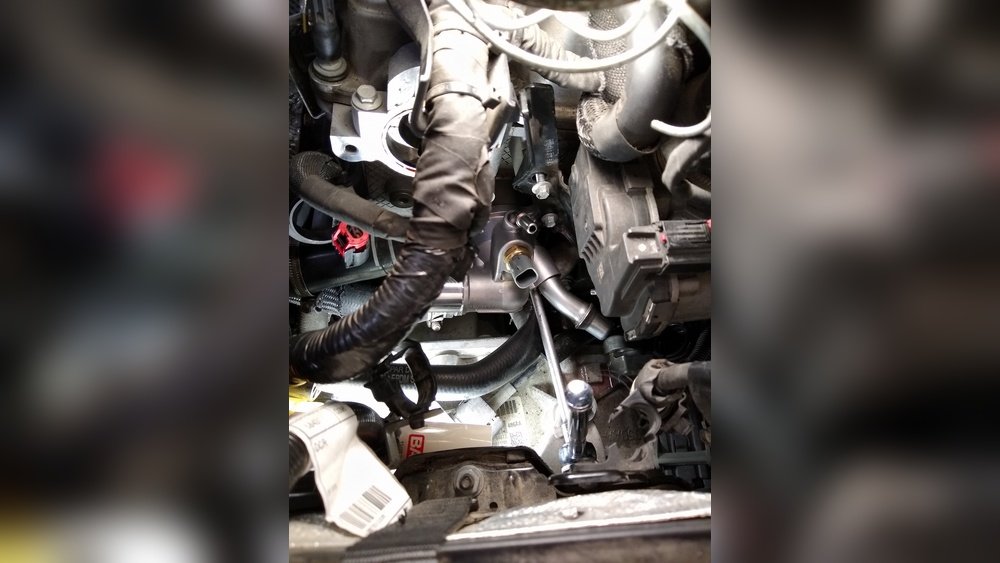
The thermostat is usually near the engine block, connected by a coolant hose. On the Renegade, it’s found under the intake manifold. Check your manual for the exact spot.
3. Drain The Coolant
Place a drain pan under the radiator. Loosen the drain plug and let the coolant flow out.
This prevents spills when you remove the thermostat housing.
4. Remove The Thermostat Housing
Use a socket wrench to remove bolts holding the thermostat housing. Carefully lift the housing.
If stuck, gently tap it with a screwdriver.
5. Take Out The Old Thermostat
Pull out the old thermostat. Note its direction and position install the new one the same way.
Remove the gasket or O-ring and clean the area.
6. Install The New Thermostat
Put the new thermostat in. Place the new gasket or O-ring around it.
Make sure everything fits snugly. If the gasket is loose, the system may leak.
7. Reattach The Housing
Bolt the housing back in place. Tighten bolts evenly to avoid cracks. Don’t over-tighten.
8. Refill Coolant
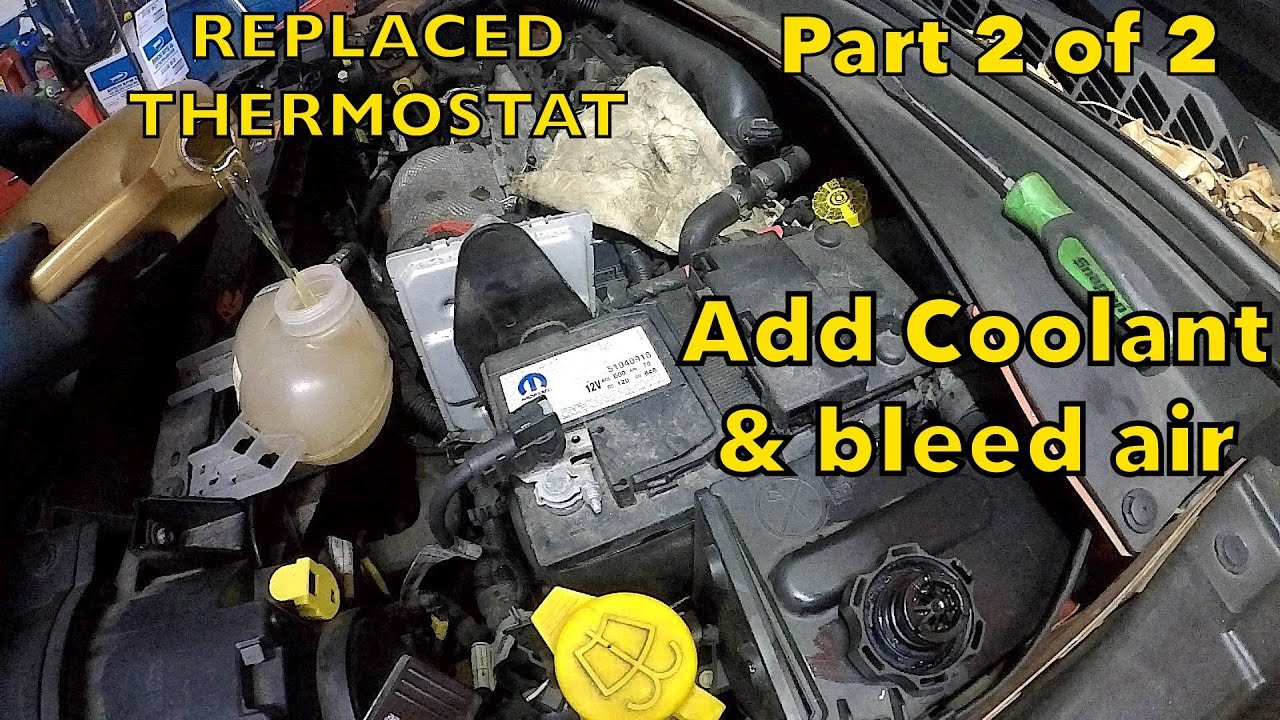
Pour new coolant into the radiator until full. Check for air pockets by squeezing hoses gently.
9. Start The Engine And Check
Run the engine for a few minutes. Watch the temperature gauge.
Look for leaks under the car. If everything works, you’re done.
Comparison: Diy Vs Professional Service
Here’s a quick look at the differences between doing it yourself and using a mechanic.
| Factor | DIY | Professional Service |
|---|---|---|
| Cost | $30-$60 | $150-$250 |
| Time | 1-2 hours | 2-3 hours |
| Skill Needed | Basic tools | Mechanic expertise |
| Guarantee | No guarantee | Usually guaranteed |
Common Mistakes To Avoid
Many beginners make simple errors. Here are two that often get missed:
- Forgetting to replace the gasket: Always use a new gasket; old ones often leak.
- Not cleaning the housing: Dirt causes poor sealing, leading to coolant leaks.
Another mistake is not letting the engine cool enough. This can cause burns or damage parts.
Practical Tips For Success
- Take photos as you go. They help you remember how parts fit together.
- Use gloves to keep your hands safe and clean.
- Have extra rags ready for spills.
- Dispose of old coolant properly. Never pour it down the drain.
Thermostat Specifications
For the 2015 Jeep Renegade, most thermostats open between 195°F and 200°F. Always double-check the specification before buying.
| Thermostat Type | Opening Temperature | Material |
|---|---|---|
| OEM | 195°F | Metal |
| Aftermarket | 195-200°F | Metal/Composite |
Signs Of A Successful Change
After changing the thermostat, your Jeep should:
- Warm up quickly but not overheat
- Show stable temperature on the gauge
- Have better heater performance
- No coolant leaks
If you notice any issues, recheck the installation. Sometimes the gasket is not seated correctly.
Cost Breakdown
Here’s what you can expect for parts and tools:
| Item | Average Price |
|---|---|
| Thermostat | $25-$45 |
| Gasket/O-ring | $5-$10 |
| Coolant | $15-$30 |
| Tools | $20-$40 (if bought) |
Frequently Asked Questions
How Often Should I Change The Thermostat?
Most thermostats last 5–7 years or around 60,000 miles. Change it if you notice temperature problems or during major coolant system repairs.
Is It Safe To Drive With A Bad Thermostat?
No. A bad thermostat can cause your engine to overheat or run too cold, which can damage the engine or affect performance.
Can I Use Any Coolant For The Jeep Renegade?
You should use Mopar OAT coolant or the type recommended in your owner’s manual. Mixing types can cause damage.
Do I Need To Bleed The Cooling System?
Yes. After refilling coolant, remove air by running the engine with the radiator cap off for a few minutes. Air pockets can cause overheating.
Where Can I Find Official Instructions?
You can find official instructions in the Jeep service manual or online at the Jeep Owners Site.
Changing your thermostat can be simple and rewarding. With careful steps and attention to detail, your 2015 Jeep Renegade will run smoother and safer. Remember to check for leaks, use quality parts, and follow the tips above for the best results.