Changing the headlight bulb on your Jeep Grand Cherokee is a smart way to save money and stay safe on the road. Many owners worry it’s difficult, but most models let you do it in less than an hour using just basic tools.
Knowing how to replace the bulb will help you avoid driving with dim or broken headlights, and it can even prevent tickets in some states. This guide will walk you through the process step by step, offer practical tips, and answer common questions for both beginners and seasoned drivers.
Types Of Jeep Grand Cherokee Headlights
Before you start, you need to know which headlight bulb fits your Jeep. Most Grand Cherokees use either halogen, HID (xenon), or LED bulbs. The bulb type depends on your model year and trim.
Here’s a quick comparison to help you identify your bulb:
| Bulb Type | Brightness | Average Lifespan | Common Years |
|---|---|---|---|
| Halogen | 1,000-1,500 lumens | 500-1,000 hours | 1999-2013 |
| HID (Xenon) | 2,000-3,500 lumens | 2,000-3,000 hours | 2011-2019 |
| LED | 2,000-4,000 lumens | 20,000+ hours | 2016-present |
Check your owner’s manual or look up your model year online to confirm the exact bulb type.
Tools And Materials You’ll Need
For most Grand Cherokees, you only need a few items:
- Replacement headlight bulb (make sure it matches your year/model)
- Gloves (to protect the bulb and your hands)
- Flathead screwdriver
- Socket wrench
- Microfiber cloth
If your Jeep has HID or LED headlights, you may need extra tools or steps. Halogen bulbs are usually the simplest.

Step-by-step Guide To Changing The Bulb
Changing the bulb is easier than you think. Follow these steps for most Jeep Grand Cherokee models:
- Turn off the engine and headlights. Let the car cool down for at least 10 minutes.
- Open the hood. Use the latch under the dashboard, then lift the hood and secure it.
- Locate the headlight assembly. It’s right behind the headlight lens, close to the front of the engine bay.
- Remove the access cover. Some models have a plastic cover held by clips or screws. Use the screwdriver or socket wrench to remove it.
- Disconnect the wiring harness. Gently press the clip and pull the connector away from the bulb.
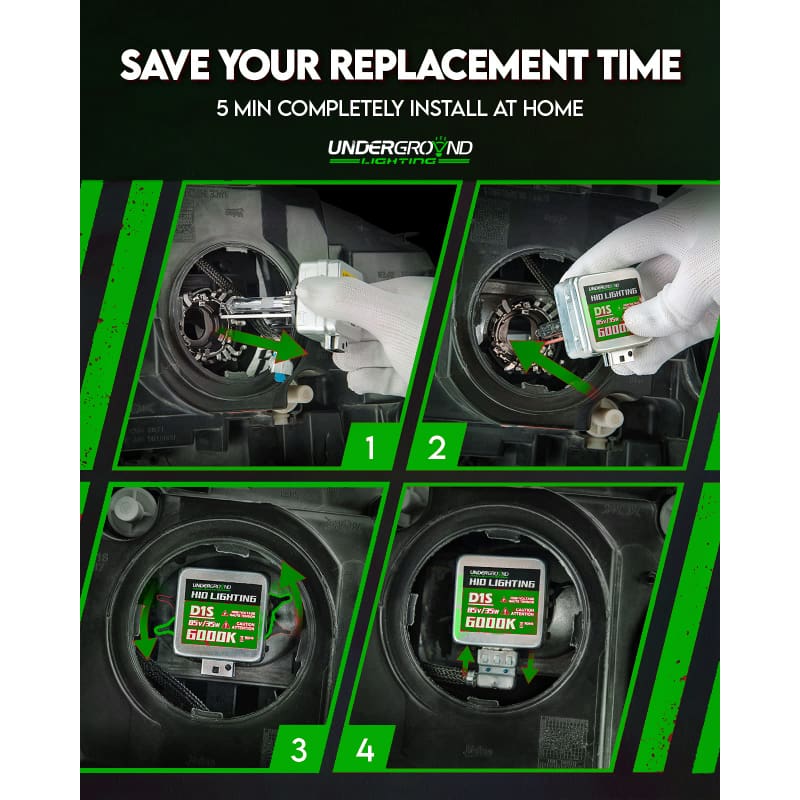
- Remove the old bulb. Twist it counterclockwise (about a quarter turn) and pull it out. Use gloves to avoid touching the bulb with your fingers.
- Insert the new bulb. Line it up with the slot, push in, and twist clockwise until it locks.
- Reconnect the wiring harness. Make sure it clicks in place.
- Replace the access cover. Secure it with the clips or screws.
- Test the new bulb. Turn on your headlights to check if the new bulb works.
Some newer models require removing the air filter housing or battery for easier access. Always check your owner’s manual for specific instructions.
Common Mistakes And How To Avoid Them
Changing a headlight bulb seems simple, but many people make mistakes. Here are two issues most beginners miss:
- Touching the glass: Oils from your fingers can make the bulb fail early. Always use gloves or a clean cloth.
- Wrong bulb type: Double-check the bulb before buying. Even a small difference can cause fit problems or dim light.
Another mistake is not securing the wiring harness properly. A loose connection can cause flickering or no light at all.
Comparing Aftermarket Vs. Oem Bulbs
Many drivers ask if they should buy OEM (original equipment manufacturer) bulbs or aftermarket options. Here’s a quick comparison:
| Bulb Type | Cost | Warranty | Brightness | Fit Quality |
|---|---|---|---|---|
| OEM | $25-$60 | 12-24 months | Standard | Perfect fit |
| Aftermarket | $10-$40 | Varies | May be brighter | Sometimes issues |
OEM bulbs are more reliable but can cost more. Aftermarket bulbs are cheaper and sometimes brighter, but may not fit as well.
If you drive at night often or in bad weather, OEM bulbs are usually safer.
Practical Tips For A Smooth Replacement
- Buy two bulbs: Headlights wear out at the same rate. Replace both to keep brightness even.
- Check alignment: After changing, make sure the headlight beam is aimed correctly. Misaligned lights can blind other drivers.
- Keep spares in your glovebox: This helps if a bulb goes out during a trip.
- Inspect the socket: If you see corrosion or damage, clean it with electrical contact cleaner or replace the socket.
If your headlights still look dim after replacing bulbs, your lens may be foggy or dirty. Clean it with a plastic-safe cleaner for better results.

Safety And Legal Considerations
Driving with a broken headlight is illegal in most US states. In 2023, over 1 million drivers got warnings or tickets for faulty headlights. Good lighting also reduces night accidents by about 25%, according to the National Highway Traffic Safety Administration.
If you’re unsure, you can always ask for help at a local auto parts store. Many shops offer free bulb installation.
For more details on headlight bulb types and regulations, visit the NHTSA Headlights Guide.
Frequently Asked Questions
How Do I Know Which Bulb Fits My Jeep Grand Cherokee?
Check your owner’s manual or look up your model year online. Most websites list bulb types and sizes for each Jeep year and trim.
Can I Upgrade From Halogen To Led Bulbs?
Yes, but you may need an adapter kit or new headlight housing. Make sure the upgrade is legal in your state, as some LED bulbs don’t meet road standards.
Why Does My New Bulb Flicker After Installation?
A loose wiring harness or damaged socket is usually the cause. Double-check connections and inspect for corrosion.
How Long Do Jeep Grand Cherokee Headlight Bulbs Last?
Halogen bulbs last about 500-1,000 hours. HID bulbs last up to 3,000 hours. LED bulbs can last over 20,000 hours.
Do I Need To Adjust My Headlights After Changing The Bulb?
It’s a good idea. Misaligned headlights can cause poor visibility or blind other drivers.
Use your owner’s manual to find adjustment steps.
Changing your Jeep Grand Cherokee headlight bulb is a simple task that keeps you safe and legal on the road. By following these steps, choosing the right bulb, and avoiding common mistakes, you’ll see better at night and save money on repairs. If you ever feel unsure, professional help is easy to find and often affordable.