Building a Jeep stroker motor is one of the most popular upgrades for Jeep owners who want more power, torque, and performance from their vehicle. It’s a project that mixes technical skill, careful planning, and smart parts selection.
Whether you’re an off-road enthusiast or simply want better performance on the street, creating a stroker engine turns your Jeep into something special.
If you’re considering this upgrade, understanding the process, choosing the right parts, and avoiding common mistakes will make your build more successful.
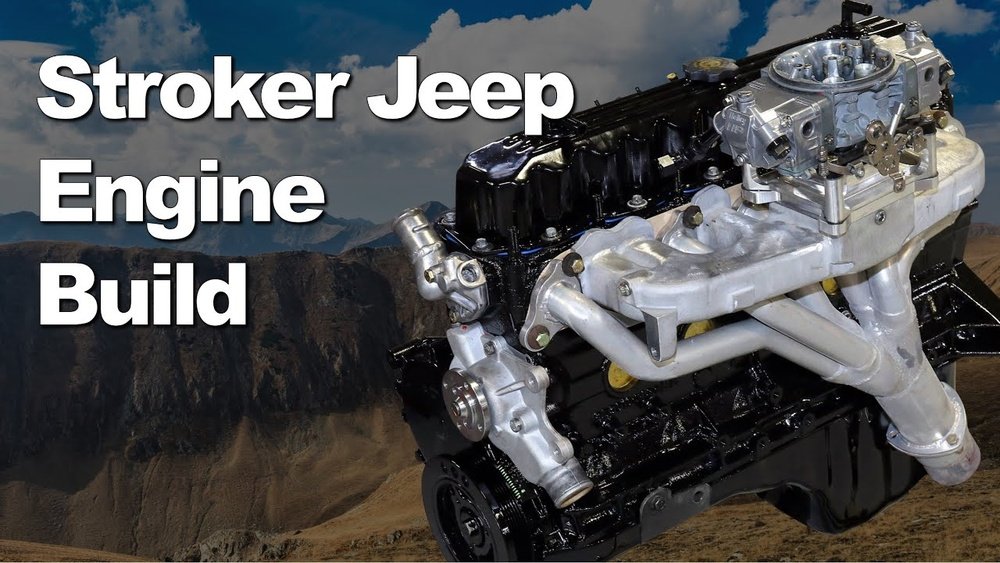
What Is A Jeep Stroker Motor?
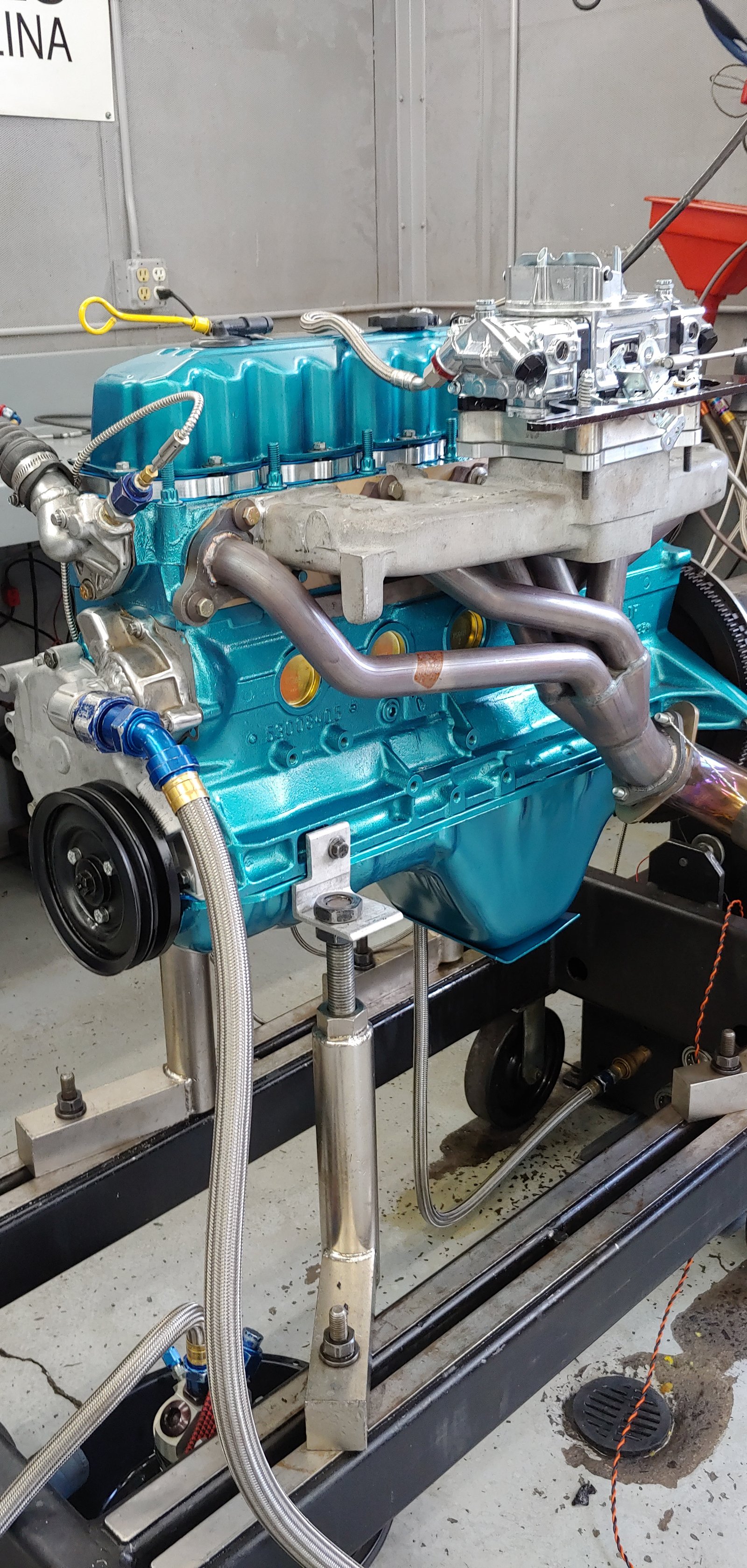
A Jeep stroker motor is an engine that uses parts from different Jeep engines to increase displacement. Most people start with the 4.0L inline-six engine and combine it with parts from the older 4.2L engine to create a larger, more powerful motor. The result is usually a 4.5L or 4.6L engine with more horsepower and torque, perfect for off-roading and towing.
For example, a stock 4. 0L engine produces around 190 hp and 235 lb-ft of torque.
After stroking, many see numbers up to 250 hp and 300 lb-ft, depending on the build. This increase is noticeable both on and off the road.
Planning Your Stroker Build
Before buying parts, planning is crucial. The best Jeep stroker builds start with clear goals.
- Purpose: Decide how you’ll use your Jeep. Will it be a daily driver, trail rig, or towing vehicle?
- Budget: Costs vary widely. A DIY build can cost $1,500–$3,000, while professional builds may reach $5,000+.
- Parts Selection: Choose between stock, performance, or custom parts. Each affects reliability, cost, and performance.
Here’s a quick comparison of build types:
| Build Type | Horsepower | Torque | Estimated Cost |
|---|---|---|---|
| Stock Stroker | 215 hp | 265 lb-ft | $1,500 |
| Performance Stroker | 250 hp | 300 lb-ft | $3,000 |
| Custom Stroker | 270+ hp | 320+ lb-ft | $5,000+ |
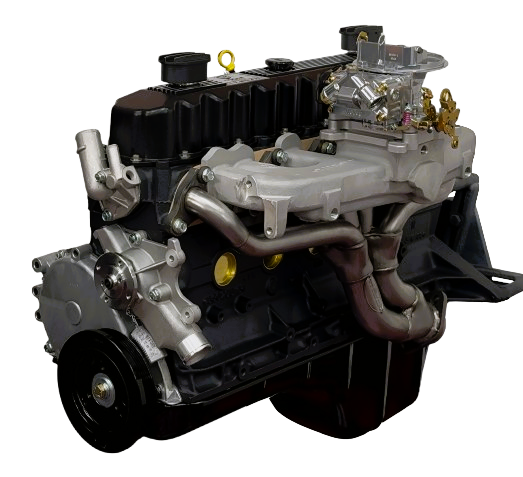
Essential Parts For The Stroker Motor
The core of a Jeep stroker build is mixing 4.0L and 4.2L parts. Below are the key components:
- 4.2L crankshaft: Gives longer stroke for more displacement.
- Custom pistons: Needed to match the new crank and rod setup.
- Connecting rods: Often 4.0L rods are used, but some builds use aftermarket rods.
- Camshaft: A performance cam boosts power and torque.
- Cylinder head: Porting or upgrading improves airflow.
- Fuel injectors: Larger injectors handle extra fuel needs.
A typical parts list looks like this:
- 4.0L block (your original engine)
- 4.2L crankshaft (from a 1987–1990 Jeep)
- 4.0L connecting rods (stock or aftermarket)
- Custom or 4.0L pistons (for proper compression)
- Performance camshaft
- Upgraded valve springs and lifters
- Larger fuel injectors (24–26 lb/hr)
- New bearings, gaskets, and seals
Step-by-step Building Process
Building the stroker engine is complex but manageable for careful DIYers. Here’s a simplified step-by-step guide:
- Remove the old engine: Take out your Jeep’s 4.0L engine. Label wires and hoses for easy reassembly.
- Disassemble: Strip the engine to the bare block. Clean all parts thoroughly.
- Machine work: Have a machine shop inspect and prep the block. This includes boring, honing, and cleaning.
- Crankshaft and rods: Install the 4.2L crankshaft and 4.0L connecting rods. Check clearances carefully.
- Pistons: Fit custom pistons. Make sure compression ratio is right for your fuel type.
- Camshaft and valvetrain: Install the new cam, springs, and lifters. Set correct timing.
- Cylinder head: Port or replace the head for better airflow. Install with new gaskets.
- Fuel system: Upgrade injectors and check fuel pressure.
- Final assembly: Put together the engine, double-checking torque specs.
- Install engine: Place the finished stroker back into your Jeep. Connect all hoses, wires, and accessories.
Here’s a comparison of camshaft options:
| Camshaft Type | Power Increase | Idle Quality | Best For |
|---|---|---|---|
| Stock | Minimal | Smooth | Daily Driving |
| Performance | +25 hp | Moderate | Off-roading |
| Custom | +40 hp | Rough | Racing |
Common Mistakes And How To Avoid Them
- Wrong compression ratio: Using mismatched pistons can cause engine knock or low power. Always calculate compression before choosing pistons.
- Poor machine work: Skipping professional machining leads to oil leaks or engine failure.
- Neglecting fuel upgrades: Stock injectors won’t support extra power. Upgrade injectors and check fuel mapping.
- Improper cam selection: The wrong cam can make your Jeep hard to drive. Choose based on your needs.
- Skipping engine break-in: Failing to break in your stroker properly can shorten its life.
Many beginners overlook the importance of valvetrain upgrades and custom tuning. These steps unlock the full potential and reliability of your stroker.
Performance Tips And Real-world Insights
- Tune your ECU: After building, a proper tune ensures smooth running and maximum power. Many Jeep shops offer custom tuning services.
- Use premium fuel: Higher compression engines need better fuel to avoid knocking.
- Check cooling system: Strokers run hotter. Upgrade your radiator and use quality coolant.
- Dyno testing: After the build, dyno testing shows real-world gains and helps fine-tune your setup.
Most Jeep owners report a big improvement in low-end torque. This helps in rock crawling and towing, making the upgrade especially popular among off-roaders.
Frequently Asked Questions
What Is The Average Cost To Build A Jeep Stroker Motor?
Costs range from $1,500 for a basic DIY build to $5,000+ for a professional or high-performance build. Prices depend on parts, machine work, and tuning.
Can I Build A Stroker Motor Myself?
Yes, if you have mechanical skills, tools, and time. Machine work should be done by professionals. Attention to detail is critical for reliability.
How Much Horsepower Will My Jeep Gain?
Most stroker builds add 40 60 hp, but results vary by parts and tuning. Some custom builds achieve even higher gains.
Do I Need A New Transmission Or Drivetrain?
Usually, stock transmissions handle the extra power. For extreme builds, consider upgrading clutch, transmission, and axles for durability.
Where Can I Find Detailed Build Guides?
For more technical details and step-by-step instructions, visit JeepForum. It’s a trusted resource for Jeep enthusiasts.
Building a Jeep stroker motor is challenging but rewarding. With careful planning, smart part choices, and attention to detail, you’ll enjoy a Jeep with real power and performance.
The stroker upgrade makes every drive more exciting, whether you’re crawling over rocks or cruising down the highway.