Owning a Jeep Grand Cherokee means enjoying a powerful SUV that’s ready for adventure. But to keep your vehicle running cool especially in hot climates or during heavy use your cooling system must work perfectly.
Air trapped inside can lead to overheating, poor heater performance, or even engine damage.
Bleeding the cooling system removes these air pockets and restores the engine’s ideal temperature balance. Many drivers skip this step, but it’s essential after replacing coolant, hoses, or the radiator.
Here’s a clear, step-by-step guide to bleeding your Jeep Grand Cherokee cooling system, plus insights most beginners overlook.
Why Bleeding Is Important
The cooling system relies on a mix of coolant and water to absorb heat from the engine. When air enters the system, it blocks the flow, making parts run hotter than they should. If you just refill the coolant and ignore the air, you could face:
- Overheating during city driving or towing
- Low heater output in winter
- Erratic temperature gauge readings
- Corrosion from air exposure
Bleeding removes trapped air, keeping your engine safe and your cabin comfortable.
Tools And Supplies Needed
Before starting, gather these items:
- Coolant (check owner’s manual for type and quantity)
- Funnel
- Gloves and eye protection
- Drain pan
- Flathead screwdriver (for radiator cap)
- Rags
- Socket set (if removing covers)
- Jack and stands (for better access, optional)
Always work on a cool engine hot coolant can cause burns.
Step-by-step Bleeding Process
Follow these steps to bleed the cooling system efficiently:
1. Prepare The Vehicle
- Park on a level surface.
- Let the engine cool completely.
- Open the hood and locate the radiator cap and overflow tank.
2. Drain Old Coolant (if Needed)
If you’re replacing coolant:
- Place the drain pan beneath the radiator.
- Open the radiator drain plug and let the old coolant flow out.
- Dispose of used coolant responsibly—never pour it down a drain.
3. Refill Coolant
- Close the drain plug.
- Pour fresh coolant slowly into the radiator using a funnel.
- Fill the overflow tank to the “MAX” line.
- Do not rush—filling too quickly can trap air.
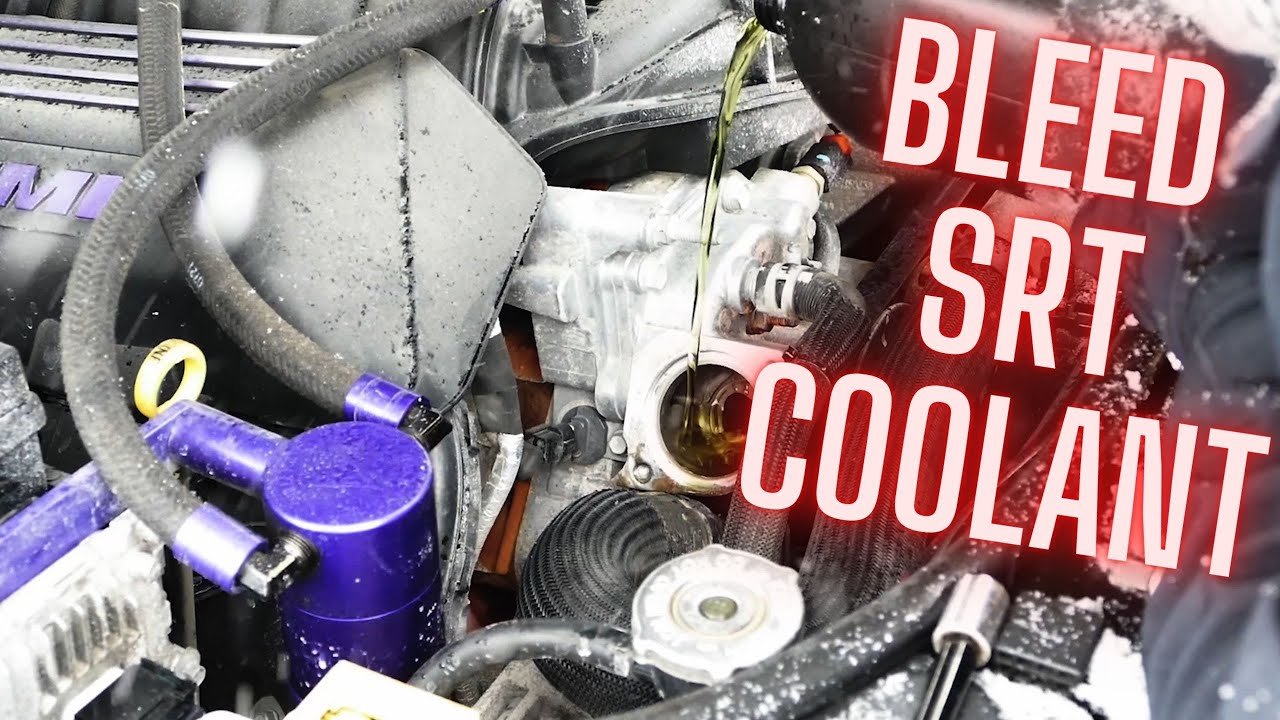
4. Bleed The System
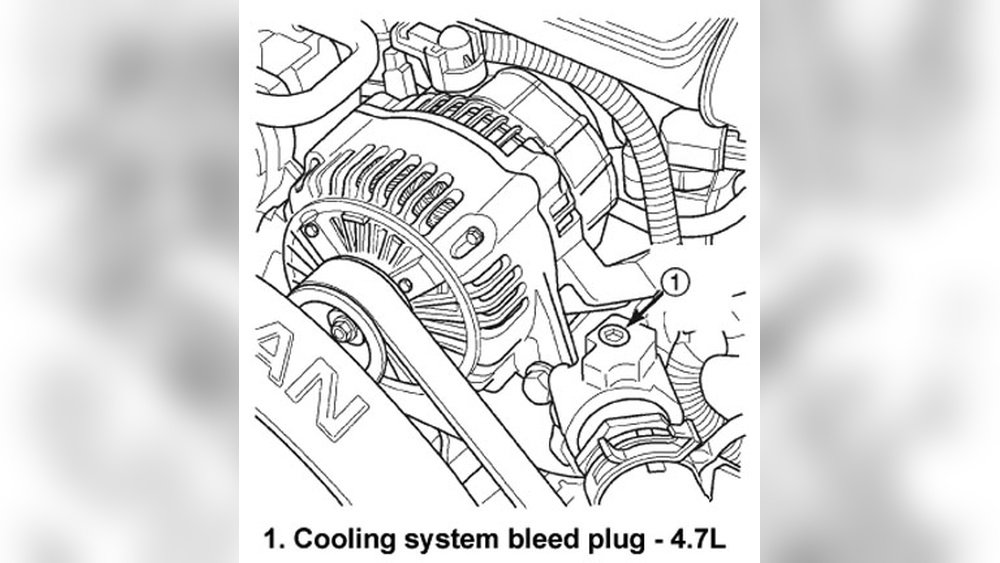
Most Jeep Grand Cherokees don’t have a bleed screw, so use the following method:
- Leave the radiator cap off.
- Start the engine and let it idle.
- Watch for bubbles rising in the radiator neck—this means air is escaping.
- As the coolant level drops, add more as needed.
- When bubbles stop and the coolant stays steady, the air is gone.
- Replace the radiator cap and tighten firmly.
5. Check Heater Operation
- Turn the heater to maximum.
- Feel for hot air from the vents. If the air is cold, more air may be trapped—repeat the bleeding process.
6. Road Test
- Drive for 10–15 minutes.
- Monitor the temperature gauge; it should stay in the normal range.
- Check for leaks or abnormal smells.
Common Mistakes To Avoid
Many Jeep owners make errors that lead to overheating later. Here’s what to watch out for:
- Overfilling the system: Too much coolant can cause pressure issues.
- Closing the radiator cap too soon: Wait until all bubbles disappear.
- Ignoring heater performance: Always check heater output before finishing.
- Not using the recommended coolant: Jeep engines require specific types—mixing brands can cause sludge.
Jeep Grand Cherokee Cooling System Comparison
Different Grand Cherokee models have unique cooling system details. Here’s a quick comparison:
| Model Year | Coolant Capacity (qt) | Bleed Screw Location | Common Issues |
|---|---|---|---|
| 2011–2021 | 14–16 | None | Heater slow to warm |
| 2005–2010 | 13–15 | None | Air trapped after refill |
| 1999–2004 | 13–15 | None | Radiator leaks |
Signs Your Cooling System Needs Bleeding
Unsure if you should bleed your system? Watch for these symptoms:
- Temperature gauge fluctuates
- Heater blows cold air
- Visible bubbles in coolant reservoir
- Engine overheats after repairs
If any of these happen, bleeding is the first fix.
Tips For A Perfect Bleed
A few advanced tips can make the process easier and safer:
- Always use pre-mixed coolant (50/50) unless you’re mixing it yourself.
- If your Jeep has a pressure cap on the overflow tank, follow the same steps—but fill through the tank, not the radiator.
- Raise the front of the vehicle slightly to help air escape (optional, but effective).
- Squeeze the upper radiator hose gently while the engine idles—this helps move trapped air.
Many beginners miss the importance of checking both the radiator and overflow tank levels after driving. Coolant can shift between them as the engine heats and cools.
Cost And Time Estimates
Bleeding your Jeep Grand Cherokee cooling system is a simple DIY task. Here’s what to expect:
| Task | Estimated Time (min) | Cost (USD) |
|---|---|---|
| Drain and refill coolant | 20–30 | 25–50 |
| Bleeding process | 15–25 | Free |
| Road test | 10–15 | Free |
Frequently Asked Questions
How Often Should I Bleed The Cooling System?
Bleed the system anytime you replace coolant, radiator, or hoses, or if you notice overheating and poor heater performance.
Can I Use Universal Coolant In My Grand Cherokee?
No. Always use the manufacturer-recommended coolant. Jeep engines are sensitive to coolant type; using universal coolant can cause damage.
What If My Temperature Gauge Keeps Rising After Bleeding?
This may mean the air is still trapped or there’s another issue, such as a faulty thermostat or water pump. Repeat the bleed or seek professional help.
Is It Safe To Bleed The System When The Engine Is Hot?
Never open the radiator cap on a hot engine. Wait until the system is cool to avoid burns or injury.
Where Can I Find The Official Jeep Coolant Specifications?
The official specs are on the Jeep website. You can also check Jeep Owners for detailed information.
Bleeding your Jeep Grand Cherokee cooling system is easy if you follow the right steps. Doing it yourself saves money and helps prevent engine problems.
With these tips and insights, you can keep your Jeep running cool and strong for many miles.