Adjusting your seat in a Jeep Wrangler seems simple, but doing it right can make driving safer and more comfortable. Whether you’re heading off-road or just commuting, the right seat position helps you stay alert and prevents back pain. Many drivers overlook the details, but your Wrangler’s seat adjustment features are designed for all body types and preferences. This guide will show you how to adjust your seat step-by-step, explain common mistakes, and compare manual vs. power seats. By the end, you’ll know exactly how to find your ideal position, and why it matters.
Why Proper Seat Adjustment Matters
A well-adjusted seat does more than improve comfort. It can:
- Reduce fatigue during long drives
- Improve visibility of the road and mirrors
- Boost control over pedals and steering
- Lower the risk of injuries in accidents
According to the National Highway Traffic Safety Administration, correct seat position and seatbelt use can decrease injury risk by nearly 50%. For Jeep Wrangler owners, a good seat setup is especially important because off-road bumps and angles can strain your body.
Steps To Adjust Your Jeep Wrangler Seat
Most Jeep Wranglers offer either manual or power seat controls. The process is similar, but there are key differences.
1. Adjusting Manual Seats
Manual seats are common in older Wranglers and base models. Here’s how to set them up:
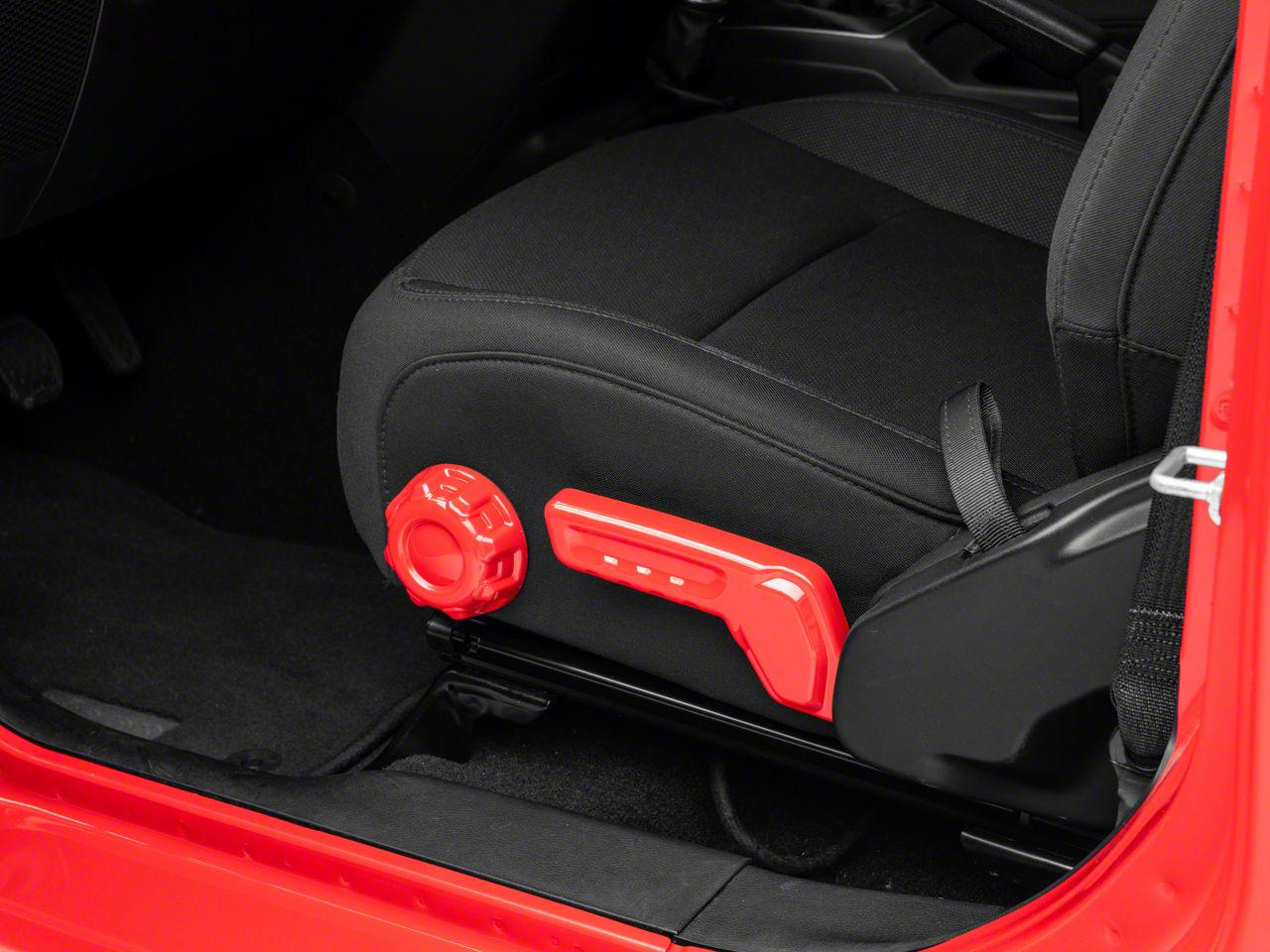
- Locate the lever under the front edge of the seat. Pull it up to slide the seat forward or backward.
- Check leg distance: Your knees should bend slightly when pressing the pedals. There should be 2–3 inches between your knees and the dashboard.
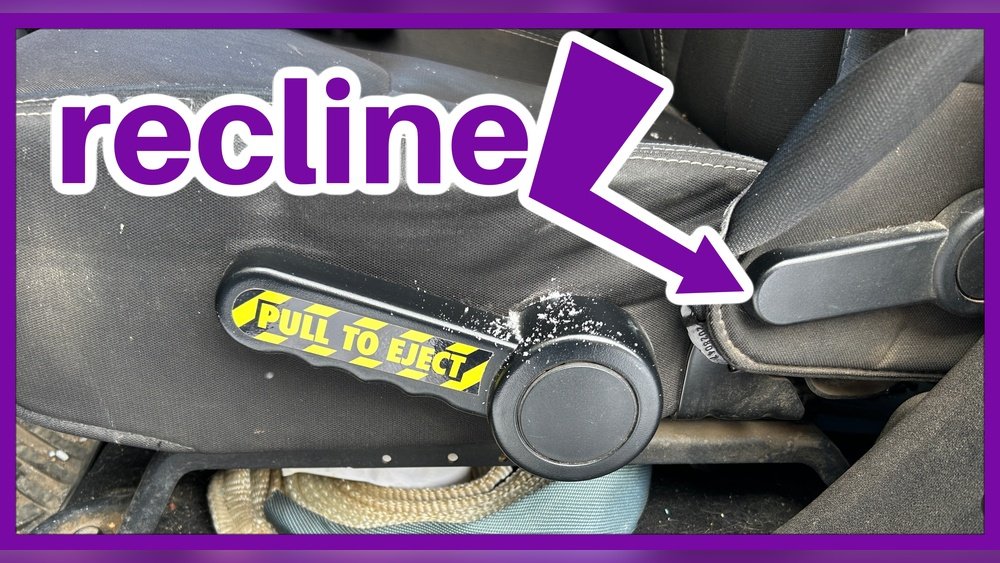
- Find the recline lever on the side of the seat. Pull it to adjust the seatback angle. Aim for a slightly reclined position—about 100–110 degrees—to support your back.
- Adjust the seat height if available. Some models have a pump handle on the side. Raise or lower until your hips are level with your knees and you can see over the dashboard.
- Test the headrest: The top should be at eye level to protect your neck in a crash.
2. Adjusting Power Seats
Newer Wranglers and higher trims offer power seat controls. These are usually on the side of the seat.
- Use the horizontal switch to move the seat forward/backward.
- Tilt the seat base up or down using the vertical switch.
- Adjust seatback angle with the recline switch.
- Fine-tune lumbar support (if available) for lower back comfort.
- Set the headrest by pressing or pulling it up/down.
Manual Vs. Power Seats Comparison
Here’s a quick look at the differences:
| Feature | Manual Seats | Power Seats |
|---|---|---|
| Adjustment Speed | Quick, but less precise | Slower, more precise |
| Customization | Limited | Multiple settings |
| Ease of Use | Requires physical effort | Easy, push buttons |
| Reliability | Fewer parts, less to break | More parts, may require repair |
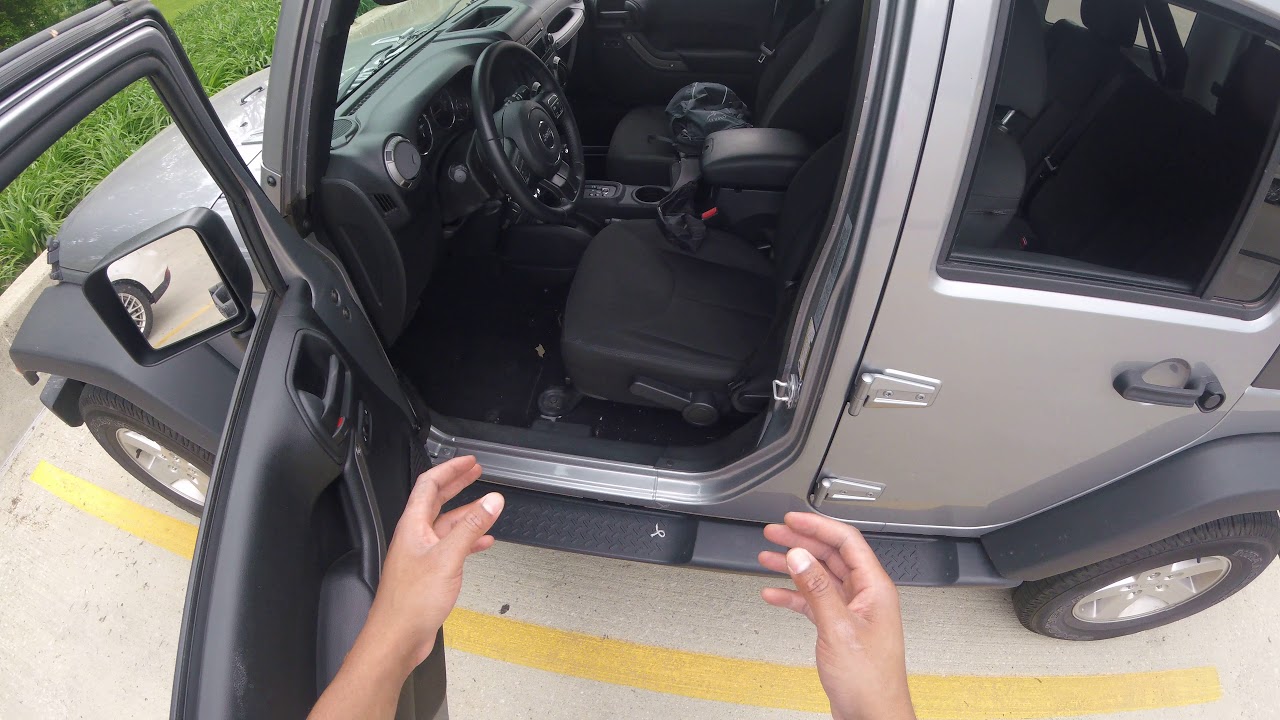
Finding Your Ideal Driving Position
Don’t just adjust once and forget. Take a few minutes to fine-tune your seat for best results.
- Sit upright: Your back should touch the seat from shoulders to hips.
- Check the steering wheel: Adjust it so your hands rest comfortably at 9 and 3 o’clock. Your elbows should be slightly bent.
- Position mirrors: After adjusting your seat, reset your mirrors for maximum coverage.
- Test all controls: Make sure you can reach the gear shift, radio, and window controls easily.
Common Mistakes When Adjusting Your Seat
Many Wrangler owners make these errors:
- Sitting too far back: Makes it hard to reach pedals and reduces reaction time.
- Reclining too much: Limits visibility and strains your neck.
- Headrest too low: Increases risk of whiplash.
- Ignoring lumbar support: Leads to back pain on long trips.
Ideal Seat Position Data
Studies show drivers are most comfortable when:
| Seat Feature | Recommended Position |
|---|---|
| Seatback Angle | 100–110 degrees |
| Distance from Pedals | Legs slightly bent |
| Headrest Height | Top at eye level |
| Steering Wheel Reach | Elbows slightly bent |
Adjusting For Off-road And Special Needs
Wrangler owners often drive in challenging conditions. Adjusting your seat for off-roading or special needs makes a big difference.
- Off-Roading: Raise your seat height to see over rocks and hills. Keep the seatback upright for better control.
- Tall Drivers: Move seat as far back as possible, lower seat height for headroom.
- Short Drivers: Raise seat and move forward, check mirrors and steering wheel reach.
- Back Pain: Use lumbar support and avoid sitting too low.
Safety Tip
Always lock your seat in place before driving. Loose seats can slide suddenly and cause accidents.

Maintaining Your Jeep Wrangler Seat
Proper seat adjustment is just the start. Seat maintenance keeps your seat working for years.
- Clean tracks regularly: Dirt and debris can jam manual seat rails.
- Check power seat motors: Listen for unusual sounds; fix issues early.
- Lubricate moving parts: Use silicone spray for smooth operation.
- Inspect seatbelts: Make sure they retract fully and latch securely.
According to Jeep’s official maintenance schedule, check seat hardware every 12 months or 12,000 miles. For more details, visit the Jeep Official Site.
Frequently Asked Questions
How Do I Know If My Jeep Wrangler Has Manual Or Power Seats?
Most Wranglers have a lever under the seat if manual, or buttons on the seat side if power. Check your owner’s manual for details.
Can I Adjust The Seat While Driving?
It’s best to adjust your seat when parked. Moving seats while driving can distract you and cause loss of control.
What Should I Do If My Seat Adjustment Isn’t Working?
First, check for objects blocking the rails. For power seats, inspect fuses. If problems continue, consult a mechanic.
How Often Should I Adjust My Seat?
Adjust your seat whenever you feel uncomfortable or after someone else drives your Wrangler. Regular checks help prevent pain and accidents.
Is There An Ideal Seat Position For Off-roading?
Yes. Keep your seat more upright and raise the height for better visibility. Always lock the seat before rough driving.
Getting your seat right in a Jeep Wrangler doesn’t just boost comfort—it helps you stay safe and alert, no matter where you drive. With these tips, you’ll be ready for city streets, highways, or rugged trails. Don’t forget to check your adjustments regularly and keep your seat in top shape for every adventure.